![[RDCTD]](https://rdctd.pro/wp-content/uploads/RDCTD-Covert-Operative-Tradecraft-Guide-LOGO-tk.png)
![[RDCTD]](https://rdctd.pro/wp-content/uploads/RDCTD-Covert-Operative-Tradecraft-Guide-LOGO-mobile.png)

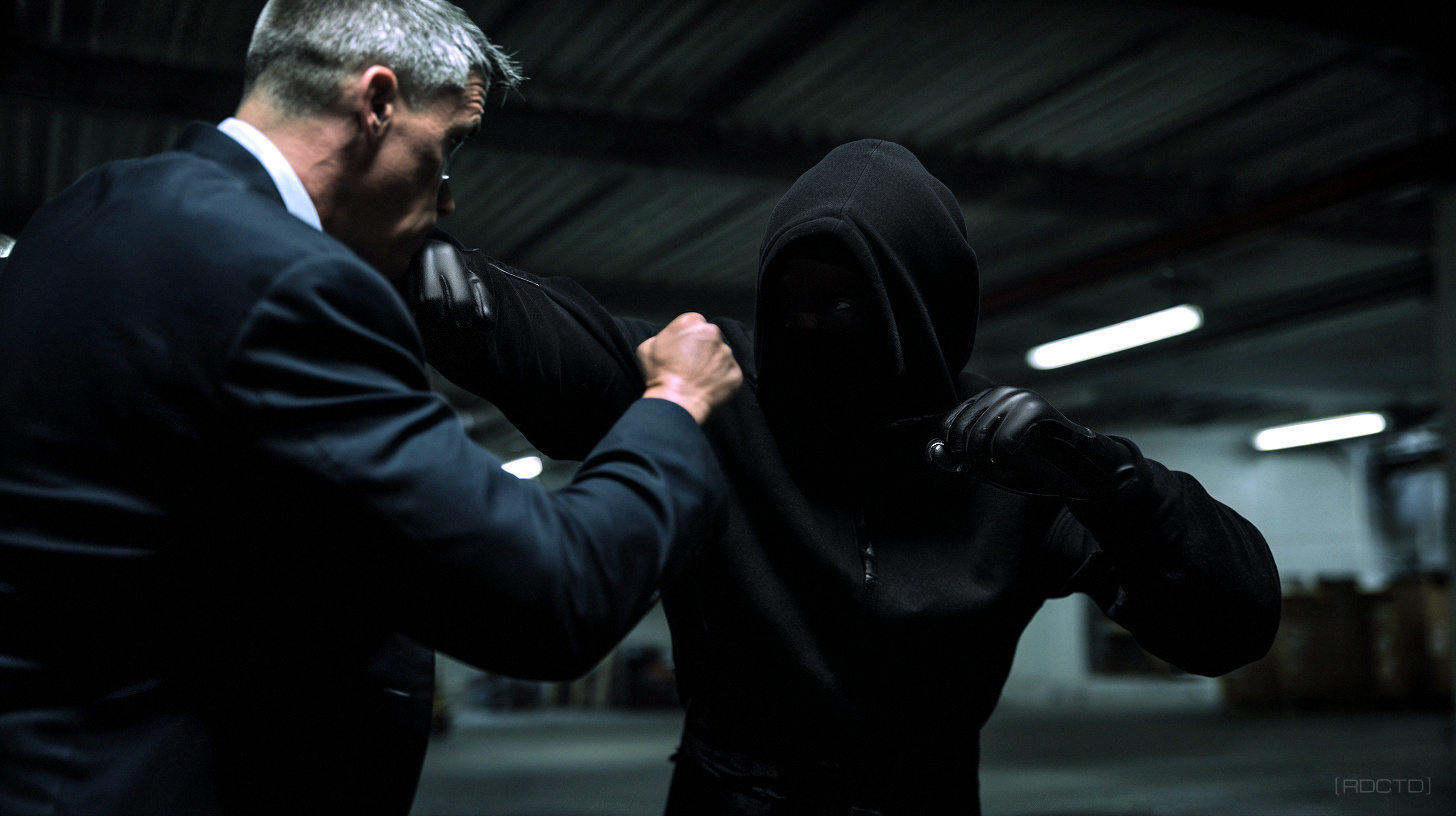
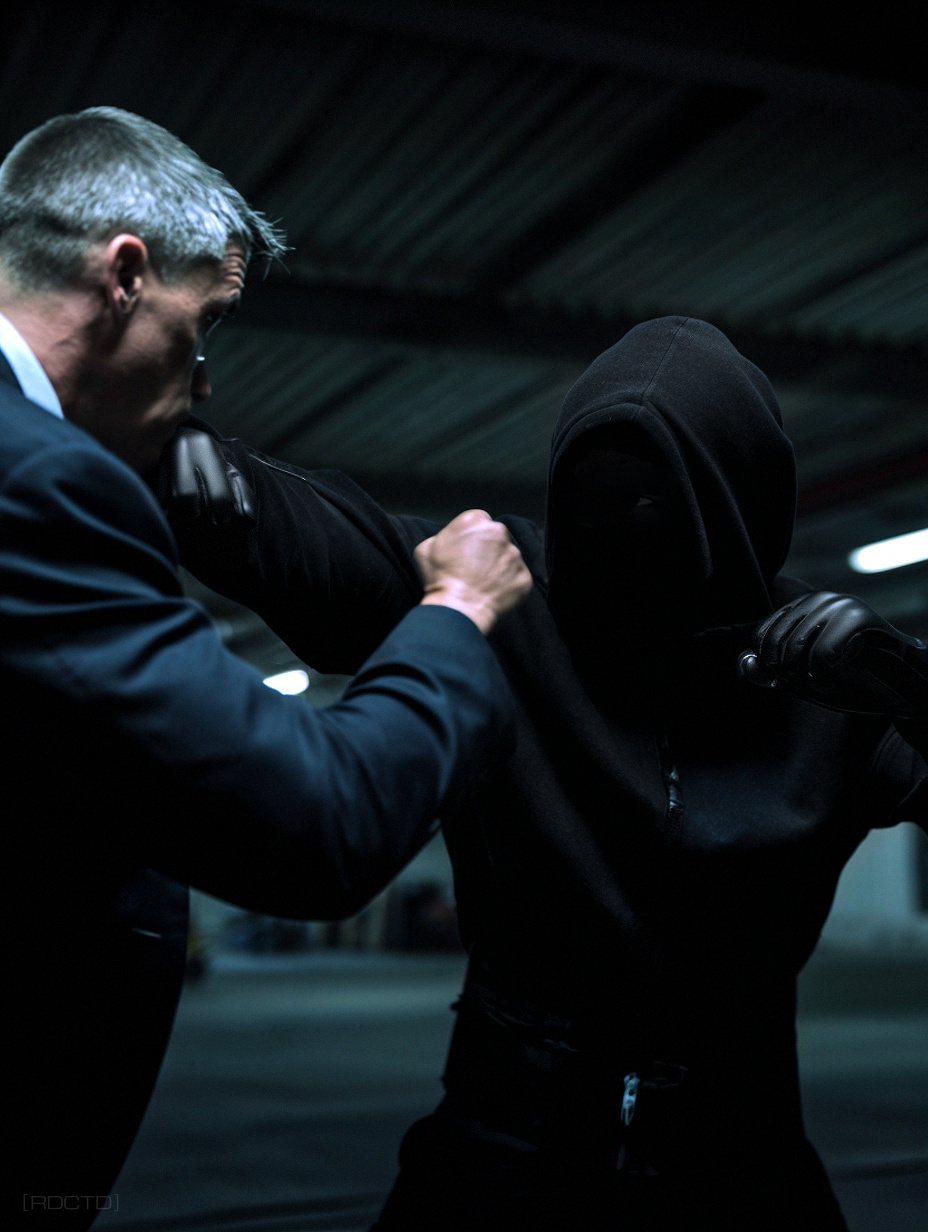 The close-quarters combatives guide on how to take a punch – the mechanics covert operatives use to absorb impact, protect the head and organs, and stay on their feet to regain control or otherwise engage.
Manage confined space as a geometry problem. Your goal is to minimize exposed angles while keeping a path for movement.
Minimize damage, reduce the chance of a knockdown, and stay functional enough to recover position when you’re punched. This is damage control, not a substitute for defense. The priority is to reduce head acceleration, protect the jaw hinge and vital organs, and preserve posture under impact.
You’re building default mechanics that work under stress, even when timing and visibility degrade. These habits buy you seconds – enough to re-balance, re-orient, and prevent follow-on strikes from compounding the initial hit.
Avoid posterior head travel into hard objects. Most secondary injury comes from occipital impact on walls/curbs, not the punch itself, so maintain spatial awareness of backstop surfaces.
[ I ] OPERATING PRINCIPLES
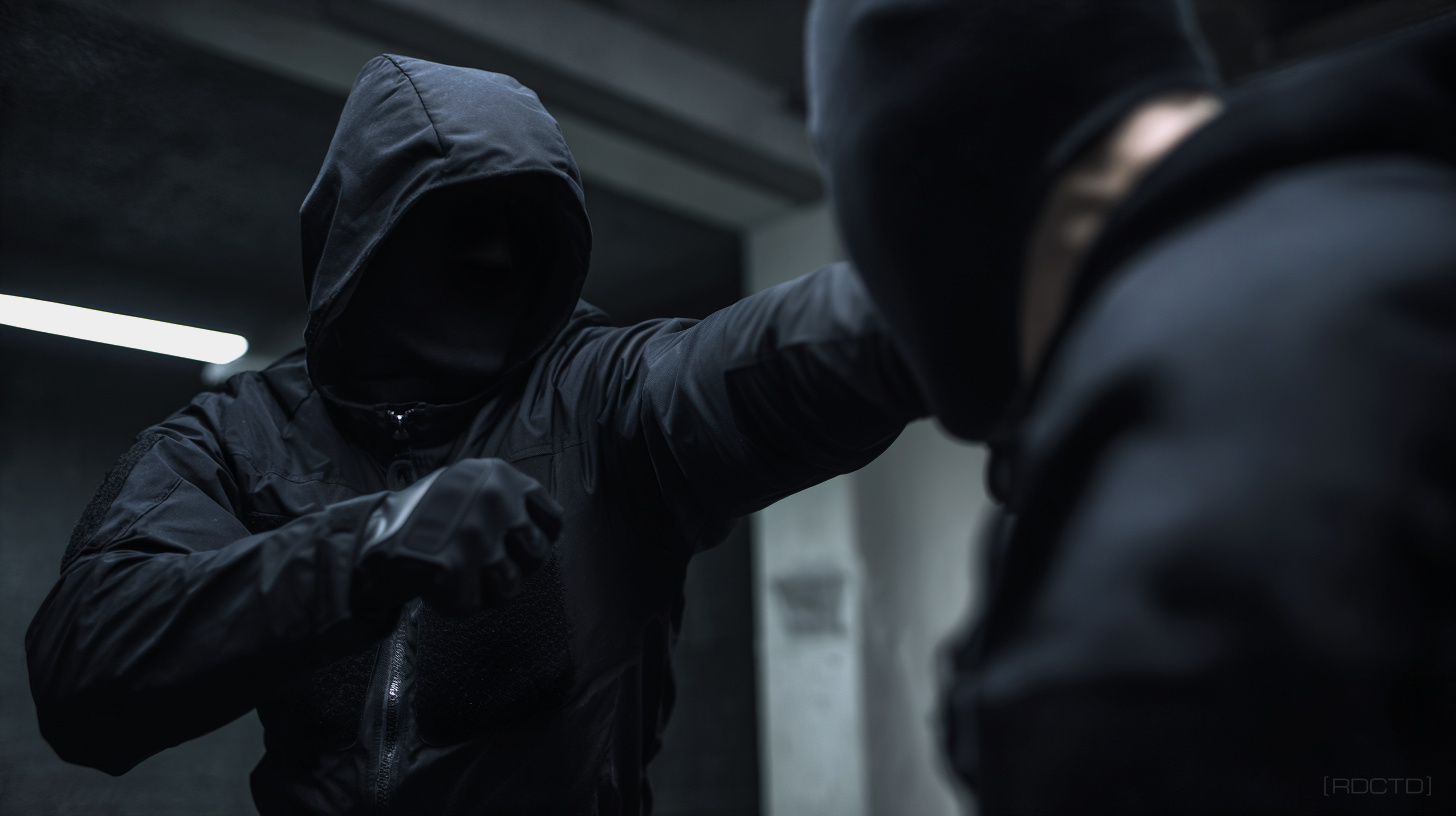
The objective is ‘controlled damage management’, preserving operational function after a strike lands. That means managing physics and structure under stress, then recovering posture fast to prevent follow-on damage. With training, clean connections decrease and post-impact stability improves.
Acceleration & Rotation
Your head snaps; the brain lags behind → concussion/KO risk. The most dangerous shots are the ones that create sudden rotational torque through the jaw and neck. A clean connection when you’re tall, squared, or mid-step amplifies that rotation and spikes KO probability. Your countermeasure is to keep your head “packed,” reduce the lever on the chin, and keep your base under you so the head doesn’t whip.
Structural Failure
Jaw hinge, nose, ribs, liver, and diaphragm take concentrated force → breaks, breath loss, shutdown. These injuries happen when a strike lands on a relaxed target or when your torso is twisted and the ribs are exposed. Body shots disrupt posture by collapsing the core, making the next strike land cleaner and harder. Your countermeasure is to maintain a 360° brace, keep elbows connected to ribs, and avoid taking impact while extended or off-angle.
The intent is to reduce head movement, keep posture, and maintain a stable base. If you can’t stop the hit, you can still control what it does to your alignment. Absorb, stabilize, and reset before the second strike arrives.
Control saliva and blood to protect the airway. Swallowing repeatedly increases nausea risk; spitting forward and clearing the mouth preserves ventilation and reduces aspiration potential.
[ II ] FACE & BODY MECHANICS
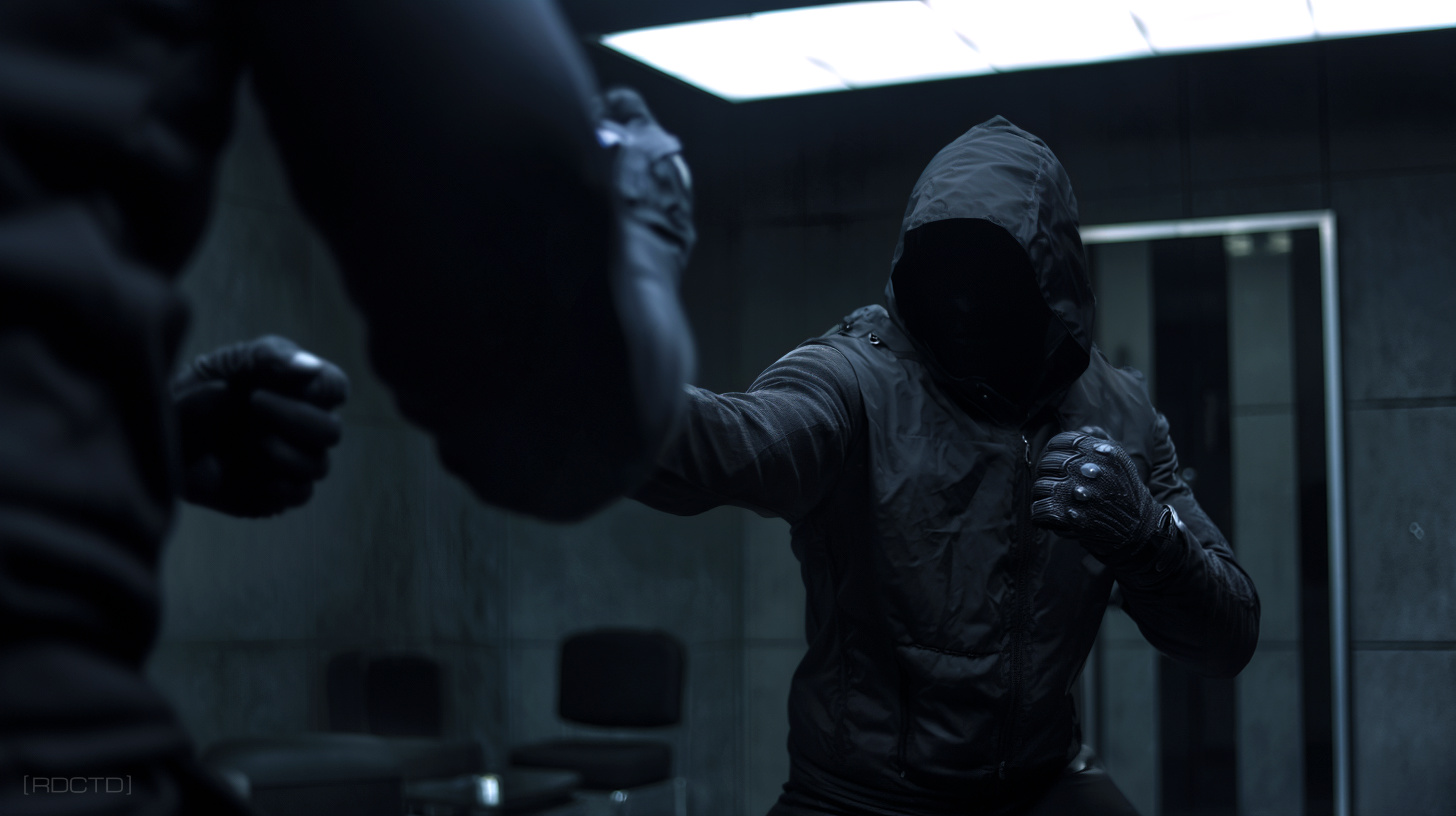
These are baseline controls for the moment a punch lands, not specifically defensive techniques (although they work in tandem). These are posture, breathing, and alignment rules that reduce head movement, limit structural damage, and keep your feet under you.
Base and Posture
• Stay “Short”: Slight knee and hip flexion. No locked knees.
• Head Stacked Over Hips: Don’t lean back at impact.
• Heels Light: Keep the ability to re-balance with small steps.
Spine and Neck
• Chin Down, Eyes Level: You’re packing the neck, not looking at the floor.
• Neck Brace (isometric): Mild tension in all directions. Avoid rigidity.
Breathing and Core
• Sharp Exhale on Impact: “Tss…” This reduces breath loss and improves trunk stability.
• 360° Brace: Like Tightening a Corset. No crunching forward. You want alignment, not folding.
Jaw and Mouth
• Teeth Lightly Set: Do not let your jaw hang open.
• Tongue to Roof of Mouth: Behind the front teeth.
• Mouthguard in Training: Whenever contact is possible.
Energy Management
• If a strike is unavoidable, allow a small controlled rotation with the force rather than resisting stiffly.
• The goal is to reduce peak load and prevent a sudden “whip.”
Stay compact, stay aligned, and keep a usable base. A clean hit hurts less when your structure absorbs it as one unit. These mechanics also shorten recovery time after impact, which matters because the second strike is usually the one that finishes the problem.
Use a rapid “systems check” under movement. Confirm vision (both eyes), balance (straight-line step), and cognition (simple count) while repositioning, not while stationary.
[ III ] FACE/HEAD PUNCHES
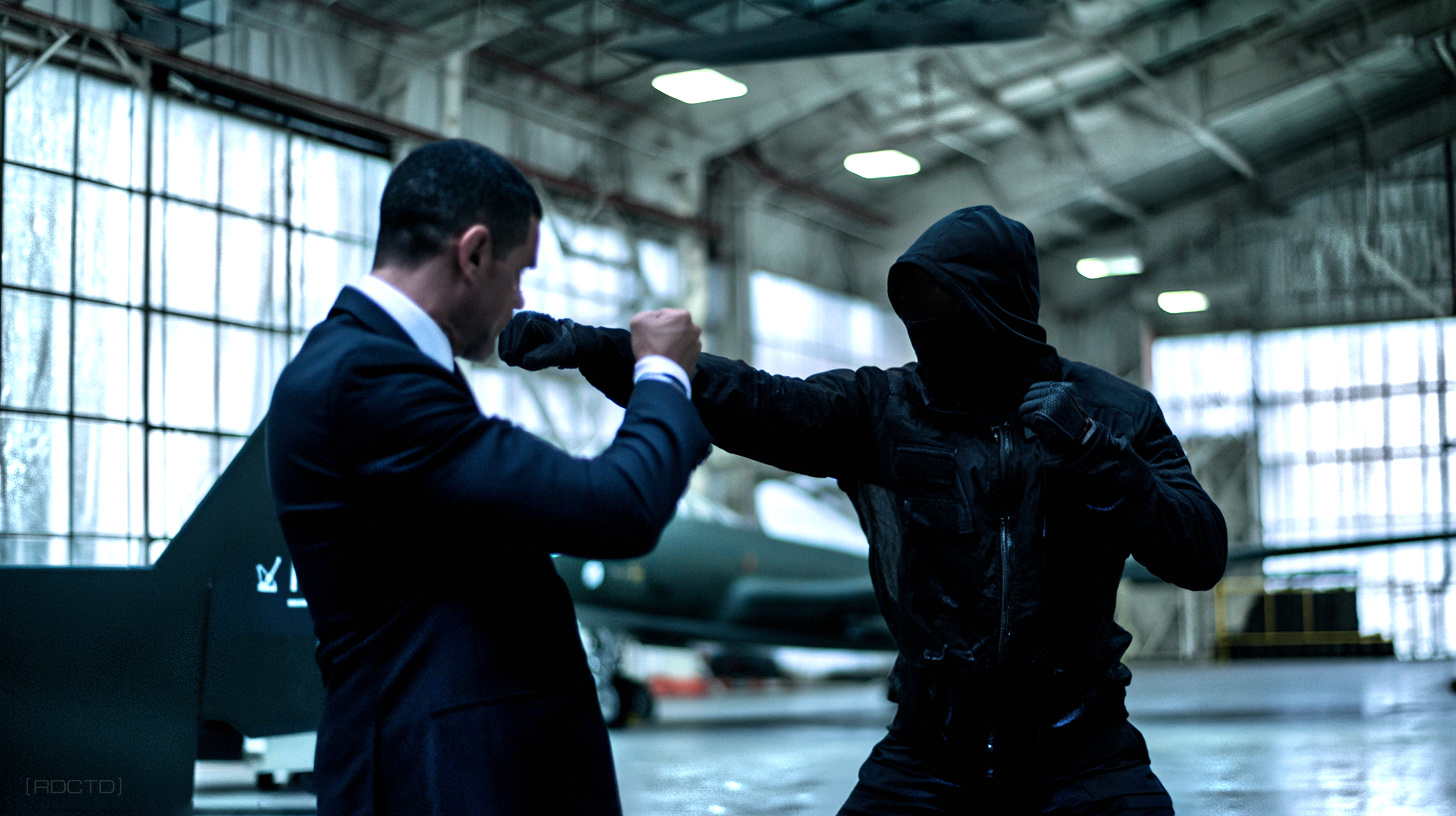
Head shots are primarily a neurological problem. The damage comes from rapid acceleration and rotational whip. Keep the head from becoming a free lever, keep the jaw hinge protected, and keep your feet under you so the impact doesn’t turn into a knockdown.
Protect The KO Levers
Prioritize jaw stability, neck alignment, and minimal head rotation at impact.

Don’t Turn Away
Turning away often exposes the jawline and increases rotational whip.
Keep Your Base Under You
Most knockdowns are a head shot plus a broken stance.
Immediate Post-Impact Actions
When you’re clipped, your timing and perception lag briefly. You need a default. 1–2 seconds.
The standard is to regain posture before you exchange information with the floor. These steps aren’t optional when you’re rattled, they’re your built-in reset. It’s a rehearsed fail-safe that preserves function long enough to re-orient and stop compounding damage.
Assess mandibular integrity immediately if the bite feels “off.” Sudden malocclusion, crepitus, or unilateral jaw pain suggests fracture or TMJ disruption and changes your risk calculus.
[ IV ] TORSO PUNCHES

Body shots are a structural and respiratory problem. They compromise posture, breathing, and mobility, which makes the next strike land cleaner. Keep the torso “sealed” at impact, keep the ribs behind structure, and avoid the posture collapse that puts you on the floor.
Brace Correctly
Impact loads your structure as a unit instead of collapsing a single segment:
Keep Your Ribs Behind Structure
Even if you can’t “block,” you can reduce exposure:
Exhale Into The Hit
A sharp exhale at impact helps prevent:
Maintain breathing discipline after contact. One controlled exhale and inhale restores rhythm and reduces panic response.
Avoid Being Twisted
A torso that’s rotated exposes vulnerable targets.

Brace, stay compact, and keep a usable base. This isn’t a matter of “toughing it out,” it’s to prevent a shutdown that compromises movement and decision-making. Keep it repeatable and measured by whether you stay upright and functional after impact.
Use stance width as an anti-knockdown control. Too narrow increases lateral topple risk, and too wide slows corrective steps under perturbation.
[ V ] HIGH-RISK BODY TARGETS
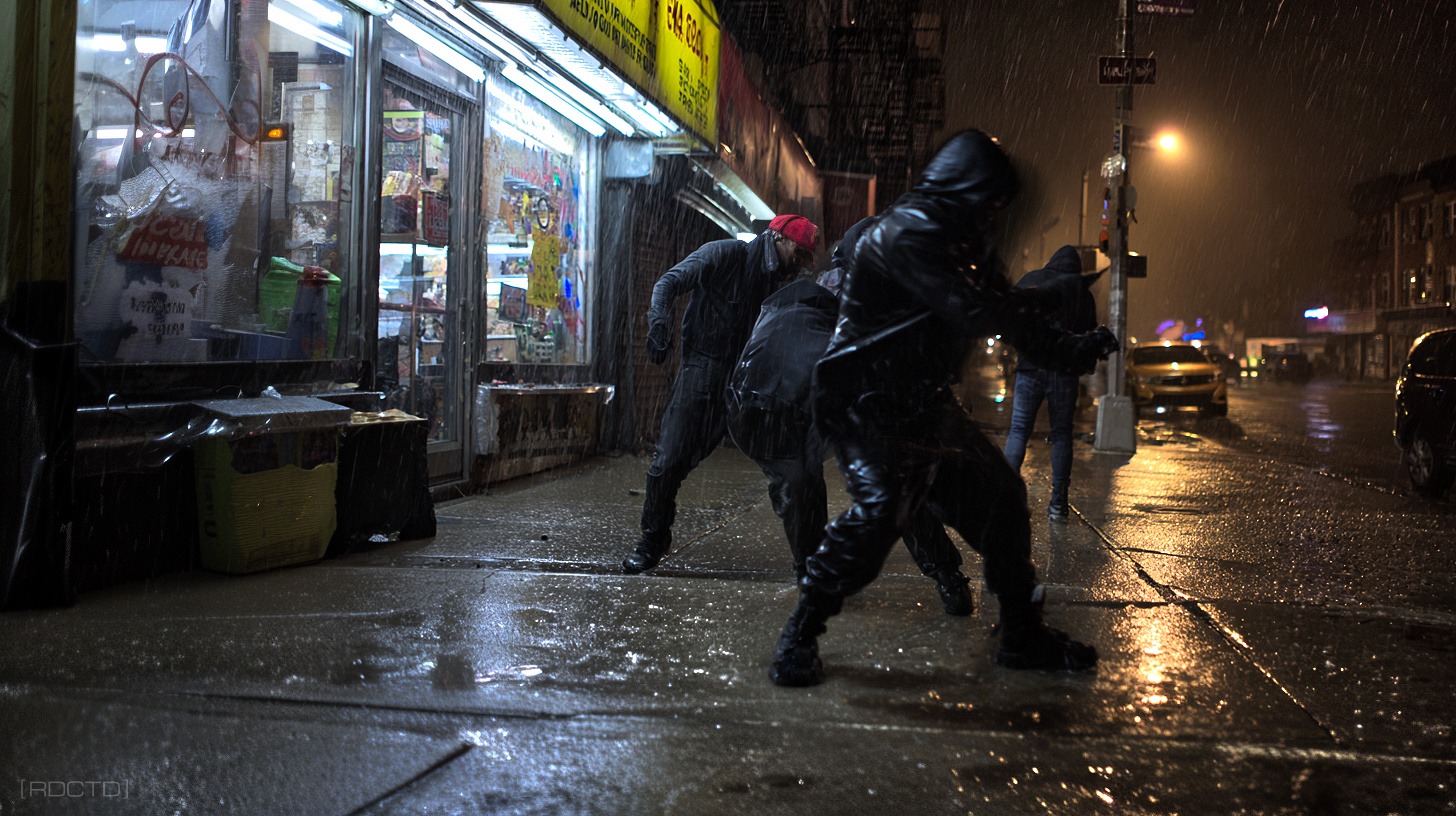
These targets cause disproportionate failure because they interrupt breathing, posture, and leg function on contact. You won’t always feel “pain” first. You’ll feel loss of structure and delayed shutdown. Treat these zones as priority risks and build automatic bracing and posture recovery around them.
Liver Side (right side under ribs)
A clean liver shot can drop trained people.
Solar Plexus / Centerline
Common “breath steal.”
Floating Ribs (lower side ribs)
They crack when relaxed or stretched.
The standard for all three is mechanical – brace early, stay compact, and recover base immediately after contact. If you lose posture, you’ll take follow-on strikes cleaner and harder. Toughness isn’t the point here, it’s training continuity of function under predictable failure points.
Bias weight over the midfoot, not the heel. Heel-loading delays re-balance and increases posterior tipping when your head moves.
[ VI ] TRAINING
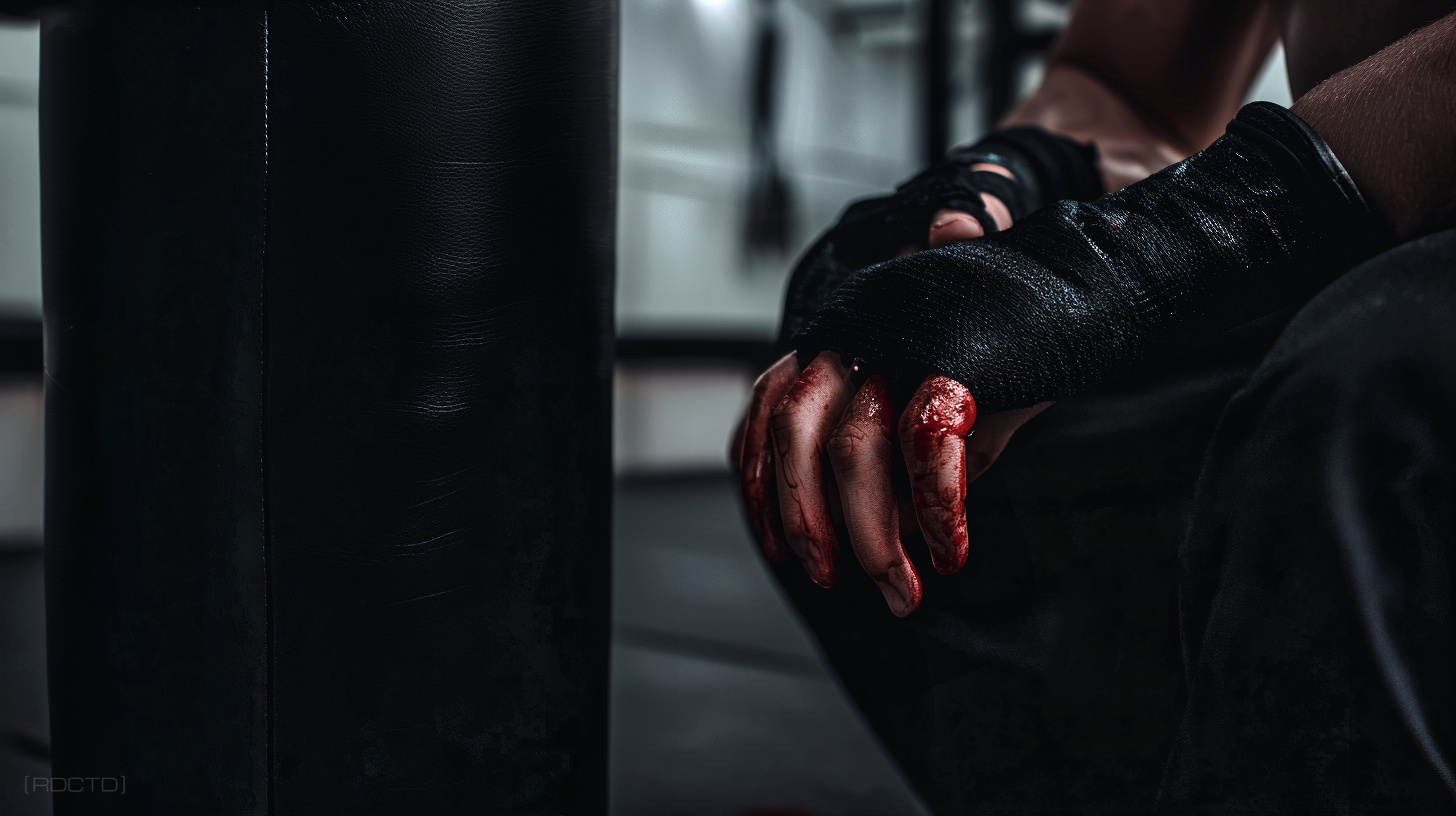
This section builds repeatable responses under contact. The objective is to harden the support structures, then pressure-test timing in controlled conditions. Manage training with simple inputs and consistent outputs.
Build The Physical Supports
• Neck Isometrics: Front / back / sides / rotation. Train short holds (5–15 seconds) with clean alignment and controlled breathing.
• Core Bracing Drills: 360° tension and controlled breathing. Practice bracing without folding, then add light movement so the brace survives footwork.
Build Timing Under Contact
• Impact Breathing Drill: Partner taps with a mitt to body/headline area → you time the “tss” exhale. Start light, then scale intensity only after the timing is automatic.
• Controlled Sparring With a Constraint: Your “win condition” is stay upright + recover base, not exchanging volume. Work short rounds, prioritize posture recovery after every clean touch.
Avoid The Wrong Kind of Conditioning
Bruises aren’t the metric, these are:
• Reduced head movement.
• Maintained posture.
• Immediate base recovery.
Track these outcomes after each session. If head movement increases or posture collapses, lower intensity and rebuild mechanics. The standard is controlled exposure with consistent recovery, not accumulating damage.
Use nasal breathing only when the airway is stable. After any facial impact, transition to mouth breathing until you confirm patency and no active obstruction.
[ FINAL ]
If a head strike produces confusion, nausea, headache, light sensitivity, or memory gaps, manage it as a concussion and get checked. For body shots, treat persistent shortness of breath, sharp rib pain, vomiting, severe abdominal pain as red flags and seek professional medical care.
Assume your decision cycle is degraded until you’re cleared. Knowing how to take a punch also means you know when to get yourself checkout for it.
// Violence rewards initiative.