![[RDCTD]](https://rdctd.pro/wp-content/uploads/RDCTD-Covert-Operative-Tradecraft-Guide-LOGO-tk.png)
![[RDCTD]](https://rdctd.pro/wp-content/uploads/RDCTD-Covert-Operative-Tradecraft-Guide-LOGO-mobile.png)

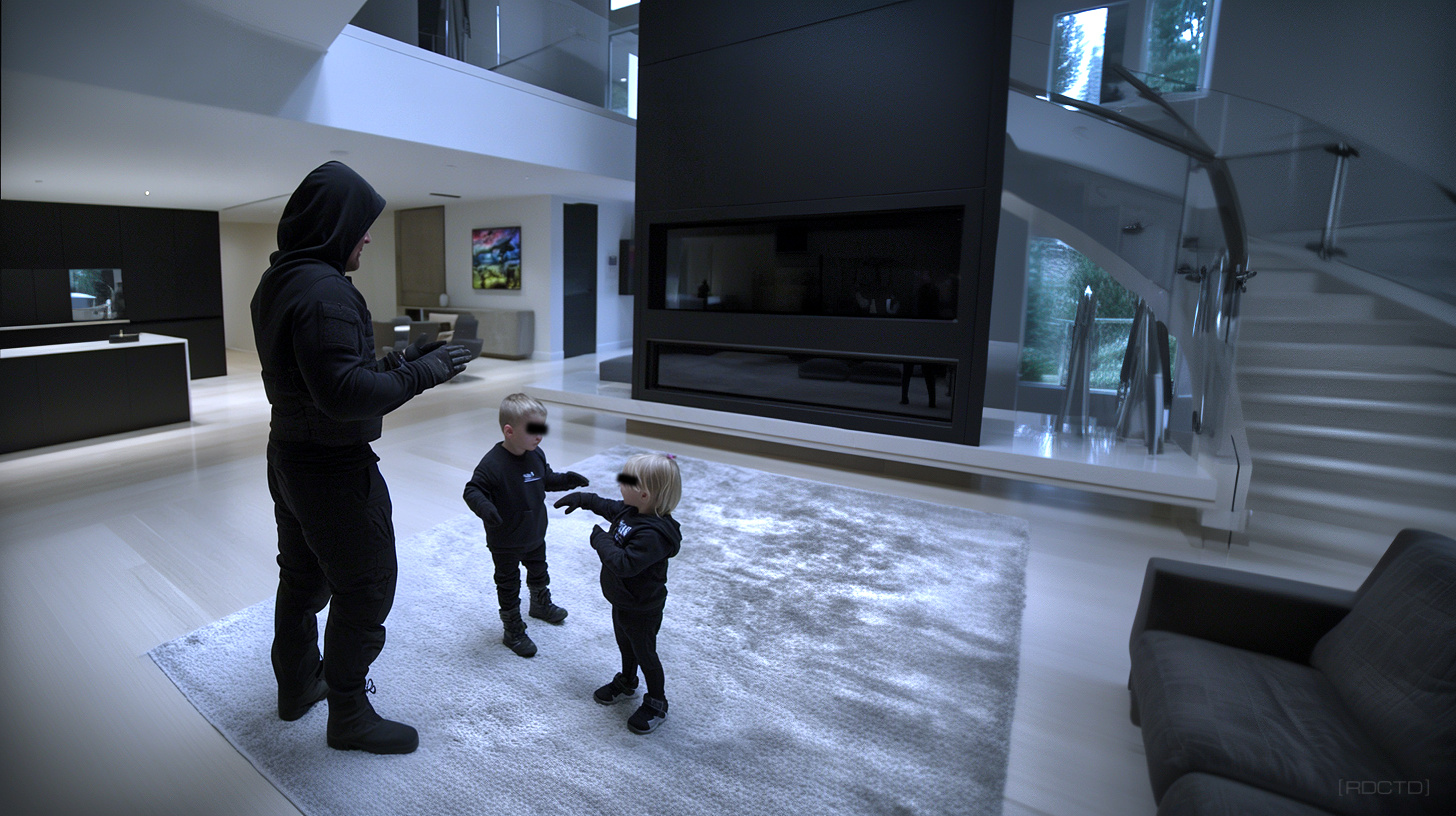
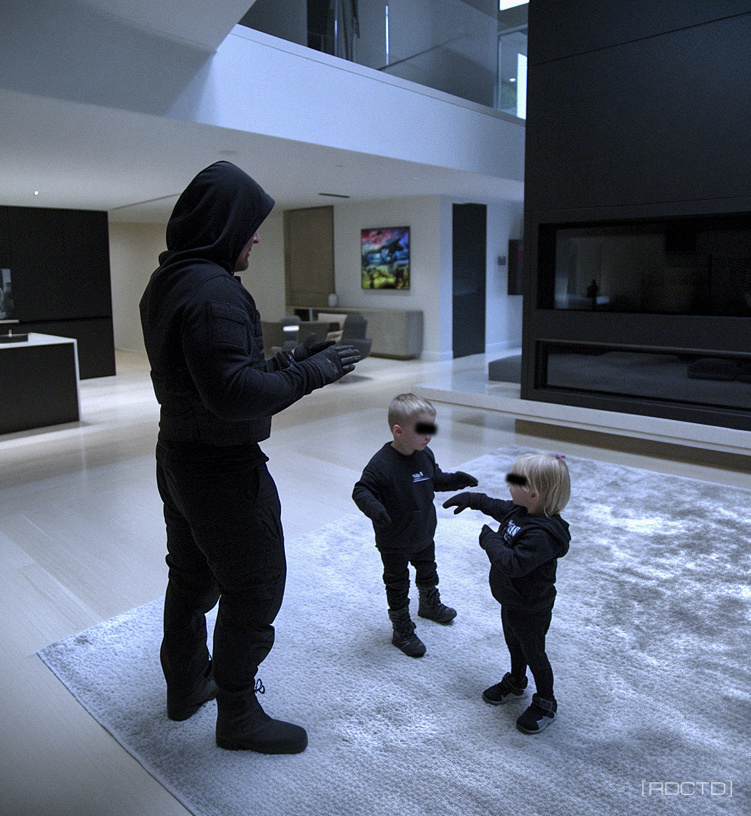 This is a conceptual human management process of dealing with and taking care of children (your own or otherwise) on a whole and general level, as if they’re CIA assets – not to be confused with agents or officers.
Lead with intent, not volume – when your purpose is visible, your voice can stay quiet and still move mountains.
In Central Intelligence Agency terms, a CIA officer is the career operative who works for the CIA and runs human sources; a CIA agent (in U.S. usage) is the foreign national the officer recruits and handles; a CIA asset is any human or capability that provides value. Agents are a subset of assets, but assets can also be facilitators, access, or technical enablers.
In the parenting metaphor, you’re the officer applying tradecraft, direction, planning, tasking, and safeguarding. Your child isn’t an “agent” you manipulate but, at times, an asset you develop (skills, habits, judgment) and sometimes a partner you brief and debrief. The distinction keeps authority, ethics, and responsibilities straight. Officers lead and protect assets.
Red Team the Parent // Ask your child how you make tasks harder without meaning to. Remove one unhelpful habit of yours and the system will breathe.
[ STRUCTURE ]
Treating the metaphor seriously, the benefit is structure without straitjackets. Operatives manage assets by setting clear aims, defining boundaries, and maintaining trust under pressure. Parents can borrow that framework. You get calmer days, fewer surprises, and kids who understand why things happen. It also sharpens your own decision cycle.
You stop firefighting and start planning. Clear aims turn the morning scramble into a short checklist you can run on autopilot, keeping tempo steady.
Boundaries cut down endless negotiations, because the lines are known before emotions spike. Trust under pressure means your word carries weight when the schedule compresses and you need instant compliance.
A simple daily brief and quick debrief become your household’s tradecraft loop, reinforcing intent and learning. Over time, the home runs on intent instead of impulse, and everyone saves energy for what actually matters.
Signal Packets // Create three silent hand signals for “wrap up,” “eyes on,” and “shift task.” Use them across rooms to cut command latency and spare everyone’s nerves.
[ RAPPORT PROTOCOL ]
Start with trust, the foundation of any asset relationship. Children read reliability fast, so keep small promises with machine-like consistencyWhen you mess up, say so. That’s how an operative repairs rapport after a blown meeting. This builds psychological safety, which makes guidance stick. Build a “trust account” with daily deposits – on-time meals, kept routines, and honest answers scaled to their age. Use a simple apology protocol: name the miss, own it, state the fix, and do the fix. Keep your signals clean – steady tone, eye-level contact, and the same rules on busy days as on quiet ones.
Calibrate promises to what you can deliver so your word stays a precision tool, not a blunt instrument. Protect consistency without becoming rigid by pre-briefing exceptions before they happen. This keeps your signal clean, your authority predictable, and your intent impossible to misread.
Wrap it with a nightly two-minute debrief, one concrete improvement for tomorrow, and a follow-through that shows you mean what you say.
Decision Games // Run 60-second “what would you do?” scenarios at the table about common kid dilemmas. Rapid reps build judgment faster than one long lecture.
[ CONOPS ]
Plan like you would for a low-risk operation. Set one or two “missions” per day that align with age and capacity. Define the objective, time window, and support. “Get dressed by 07:15, backpack by the door, I’ll help with the zipper if needed.” Use brief, repeatable checklists on the fridge. Add contingencies: “If we’re running late, we skip cartoons; if we’re early, we read a page.”
Kids perform better with known routes of travel than shifting sand. Pre-stage kit at a home staging point – shoes, water bottle, homework, and jacket – in one container to cut search time. Work backward from time-on-target: if wheels-up is 07:30, alarms and tasks ladder up to that moment with clear owners.
Build a PACE plan for each mission (Primary ride, Alternate ride, Contingency walk, Emergency neighbor call) so a single hiccup doesn’t kill momentum or morale. Use a silent visual timer so children can “see” time and self-pace without constant verbal prompts, maintaining calm control. Insert a 10% buffer into any timeline – absorb friction, protect tone, and preserve authority.
Rehearse complex sequences on a quiet weekend – two dry runs beat twenty weekday arguments and turn procedure into tradecraft.
Micro-Rehearsals // Rehearse the first 30 seconds of hard tasks, not the whole thing. Strong openings create momentum kids can ride without extra push.
[ OPSEC ]
Teach operational security as everyday boundaries. Keep it simple, repeatable, and age-scaled. Use clear language and visible cues. Make it a routine, not a lecture. You’re building judgment under calm conditions so it holds under stress. That’s tradecraft starting off young.
Need-to-Know (information discipline)

Cover (safety words and pickup protocols)
Route Checks (movement safety)
Devices (clean, controlled, and audited)
Perimeter Hardening (home and social spaces)
Debrief Loop (learning cycle)

You’re training them to manage exposure, verify identity, and move with awareness. The point isn’t fear. It’s competence. This structure builds confidence and autonomy while keeping the family inside a clear perimeter.
Over time, the routines fade into muscle memory, and the household runs on practiced judgment – security mindset they’ll carry for life.
Status Board // Keep a small whiteboard with today’s three priorities and a simple “done” column. Kids prefer closing loops when the loop is visible.
[ PAYPLAN ]
Use incentives like an operative uses payments – transparent, proportionate, and never to buy silence. Tie rewards to standards, not moods. Praise the work that’s controllable, not luck. Turn chores into small contracts with stated task, measurable standard, and clear payoff.
Close the loop each day with a short after-action review. Keep tempo tight. Let the child speak first. You’re building judgment and linking actions to outcomes without drama. That’s clean tradecraft for a household.
Incentives (clean and bounded)
Praise (effort and process)
Chore Contracts (task, standard, reward)
After-Action Review (debrief loop)
Brevity and Tempo (signal discipline)
Causality Mapping (cause → effect)
You’re teaching economy, standards, and self-review. The child learns that effort moves the needle, contracts mean something, and feedback is routine, not personal. Over time, rewards shrink and pride takes over.
The family gets fewer arguments and more execution. That’s how operatives use incentives to shape reliable performance without corrosion.
Energy Mapping // Schedule cognitively heavy tasks when the child is naturally sharp. Save low-stakes chores for the dip – respect the body clock and win compliance.
[ ROE ]
Hold the line on ethics. Asset handling can slide into manipulation, parenting can too. Don’t use secrets against your child. Don’t make fear a lever. When there’s a crisis, slow your breathing, lower your voice, and simplify instructions to one step at a time. State the non-negotiables and why.
The “CIA asset” frame is a useful discipline for parents because it prizes clarity, respect, and preparation. Use the structure, ditch the coercion and manipulation, and you’ll raise resilient kids who can run their own playbook.
// Teach the why, then the how – obedience follows understanding.
[INFO : Make any Team Loyal to You]
[OPTICS : Undisclosed, Eastern Europe]