![[RDCTD]](https://rdctd.pro/wp-content/uploads/RDCTD-Covert-Operative-Tradecraft-Guide-LOGO-tk.png)
![[RDCTD]](https://rdctd.pro/wp-content/uploads/RDCTD-Covert-Operative-Tradecraft-Guide-LOGO-mobile.png)

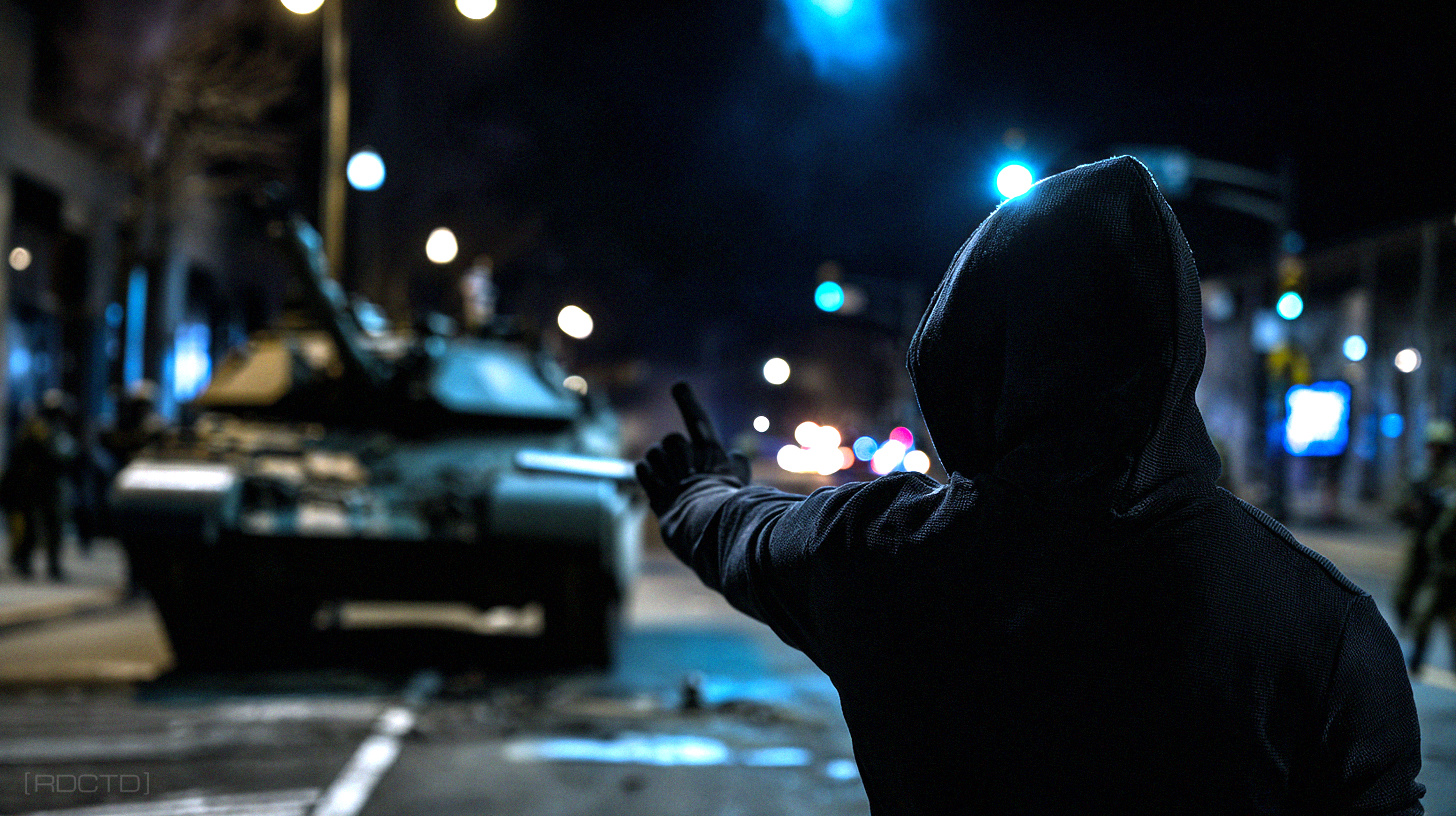
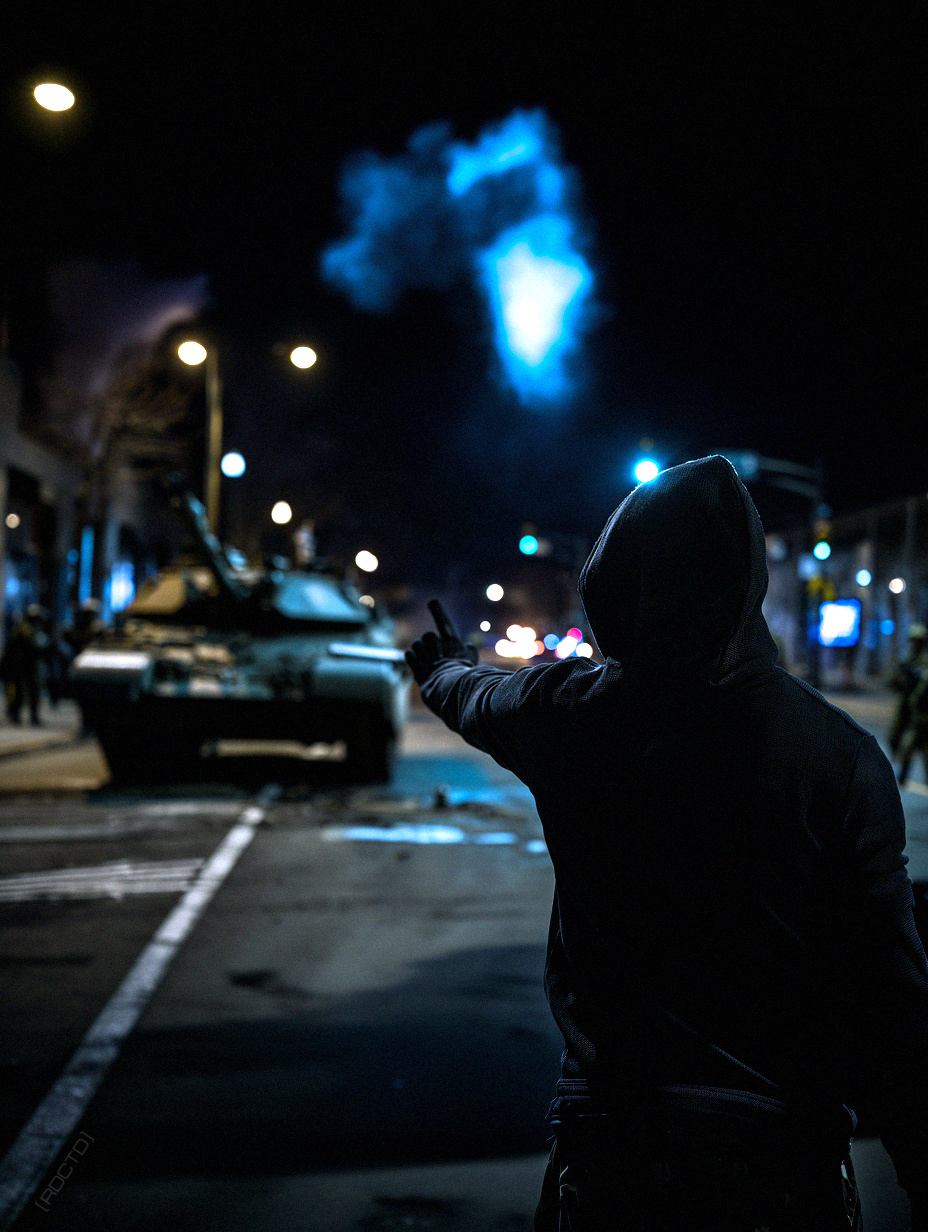 In tradecraft, calculating risk is the method of making deliberate operational bets by weighing exposure and liability against payoff – the controlled use of vulnerability for access, collection, and advantage.
Rehearse decision language internally before the moment arrives. Clear internal phrasing reduces hesitation and helps preserve judgment when conditions start tightening.
CRT is the measured practice of accepting exposure only when the operational return justifies it, and only after the exposure has been measured, shaped, and bounded. It’s decision architecture within adverse conditions. As a covert operative, every act has a signature: movement, timing, communications, purchases, cover interaction, route selection, device use, emotional expression, and deviation from local pattern-of-life.
Calculating risk is understanding that signature in advance and deciding which parts can be seen, by whom, for how long – and with what likely consequences. The objective isn’t to eliminate risk, but to control vulnerability. Only the minimum necessary surface area is exposed to gain position, collect, influence, emplace, exfiltrate, or preserve the asset.
Protect cognitive bandwidth as carefully as physical access. An operative running too many variables at once becomes easier to manipulate by tempo, novelty, and distraction.
[ RISK LOGIC ]
To internalize this mindset, start by breaking every action into four variables: probability of detection, consequence of detection, intelligence value of success, and recoverability after compromise.
Most people stop at probability, professionals evaluate consequence as well. A low-probability event with catastrophic consequence may be unacceptable. A higher-probability event with mild, recoverable consequence may be entirely workable if the gain is substantial. That’s the first mental shift.
Stop asking, “Is this safe?” Ask, “What happens if this is seen, logged, delayed, denied, or replayed against me later?” Then ask, “Can I survive that outcome inside my cover, and can the operation continue?” This forces you to think beyond the moment of action and into the full lifecycle of exposure, from first observation to downstream exploitation.
This also sharpens your sense of second-order effects – because compromise rarely stays contained to the original act and often spreads through contacts, routines, devices, and prior activity.
What matters is whether the operational environment remains usable after the act is complete, not simply whether the act succeeds. That’s where tradecraft separates itself from impulse, because the professional preserves tomorrow’s options while solving today’s problem.
Calculated risk is a skill of preselecting acceptable loss before action begins. The operative’s edge comes from knowing which setbacks are survivable, which are operationally terminal, and where the line sits between them.
Assess whether a decision increases optionality or reduces it. Moves that narrow future choices too early often look efficient in the moment and costly later.
[ THRESHOLDS ]
Before action, define your abort criteria, continuation criteria, and deception options. Set the triggers in concrete indicators, not in emotion. This establishes measurable tripwires in advance so the decision to proceed, pause, redirect, or break contact doesn’t depend on adrenaline or optimism.
Example: two appearances of the same surveillance platform inside one hour may not trigger abort by itself; the same platform combined with route compression, unexplained service disruption, or a failed signal check might. What matters is the convergence of indicators, because single anomalies can be noise while clustered anomalies usually signal structure.
This is where structure matters more than momentum. Decision points have to be established before stress distorts judgment. Build primary, alternate, contingency, and emergency branches the way a planner lays out coordinated movement options in advance.
Each branch should carry its own trigger, purpose, and acceptable cost, so you’re not just reacting but transitioning along a pre-built framework. The operative who says “I’ll know it when I see it” is relying on mood, not method.
Calculated risk requires pre-committed logic. When the environment changes, you don’t improvise from nothing. The shift is to a prepared response ladder, which preserves tempo, protects cover, and prevents a temporary complication from becoming a full compromise.
Evaluate whether the environment is static, adaptive, or adversarial. Risk models fail quickly when an operative assumes passive surroundings in a setting that is actively responding.
[ JUDGMENT ]
Risk assessment works best in ranges, not hard absolutes. Most operational environments are ambiguous, which punishes binary thinkers. Instead of deciding that a contact is either clean or hostile, assess confidence bands: likely clean, possibly observed, likely under light scrutiny, probably doubled, or actively exploited.
That lets you scale behavior rather than overreact. It also keeps you from making drastic moves on incomplete indicators, which is how operatives often create the very attention they’re trying to avoid.
Range-based judgment preserves flexibility, because it lets you tighten posture, reduce exposure, or delay action without prematurely compromising the operation. The same applies to your own emotional state. Fatigue, urgency, resentment, attraction, isolation, and the desire to “make the meeting happen” all distort risk math.
Under those conditions, you stop measuring the environment honestly and start unconsciously editing it to support the outcome you already want.
One of the most dangerous conditions in covert operations is self-authorization under momentum. Once an operative has invested time, travel, and emotion, bad options start to look reasonable. Sunk cost starts masquerading as commitment, and persistence begins to feel like professionalism even when it’s really just rationalization.
Thinking in calculated risk requires treating personal motivation as a threat vector and subjecting it to the same scrutiny as applied to the field. That means identifying when an internal state is distorting judgment, reducing options, or making an avoidable risk seem operationally necessary.
Watch for risk stacking across layers that appear unrelated on their own. Administrative friction, physical fatigue, and minor cover inconsistency often become dangerous only when they converge inside the same window.
[ ANALYSIS ]
The methodology to apply calculated risk is to run every proposed action through three technical filters: signature, timing, and attribution. These filters keep risk assessment concrete. They force an operative to evaluate not just whether an action works, but what trace it leaves, whether it fits the environment, and how easily it can be tied back to the actor. This can turn abstract caution into a repeatable decision-making process.
Signature


Timing
Attribution
Calculated risk tradecraft is therefore cumulative accounting. An operative maintains a running ledger of anomalies generated versus operational benefit gained, which should should govern pace. When anomaly debt rises, the response isn’t to keep pressing forward out of momentum.
Activity is reduced, behavior simplified, cover reinforced, and baseline normality re-established before the next gain is pursued. That’s how risk remains controlled – not by pretending exposure can be eliminated, but by managing how much pattern is generated before the environment starts pushing back.
Separate collection decisions from execution decisions whenever possible. Analysis done too close to movement tends to inherit the pace and bias of the moment.
[ ADVANTAGE ]
This way of thinking is to be conservative in method and aggressive in analysis. Professionalism shows in shaping conditions so necessary risk delivers asymmetric advantage, rather than meeting friction head-on as a test of courage. That means preferring options with layered deniability, modular exits, passive collection before active collection, rehearsed cover explanations, and actions that remain explainable even under partial scrutiny.
Sometimes the correct move is to pass on an opportunity because the environment is taxing recoverability faster than the opportunity is creating value – that’s strategic restraint. Calculated risk tradecraft is the habit of making hard moves only when the math favors you, the cost of compromise is bounded, and your future freedom of action remains intact.
// The difference between boldness and recklessness is recoverability.
+ Covert Operative Kit // gear shop »»
[INFO : The Tactical Pause]
[OPTICS : Undisclosed, Eastern Europe]