![[RDCTD]](https://rdctd.pro/wp-content/uploads/RDCTD-Covert-Operative-Tradecraft-Guide-LOGO-tk.png)
![[RDCTD]](https://rdctd.pro/wp-content/uploads/RDCTD-Covert-Operative-Tradecraft-Guide-LOGO-mobile.png)

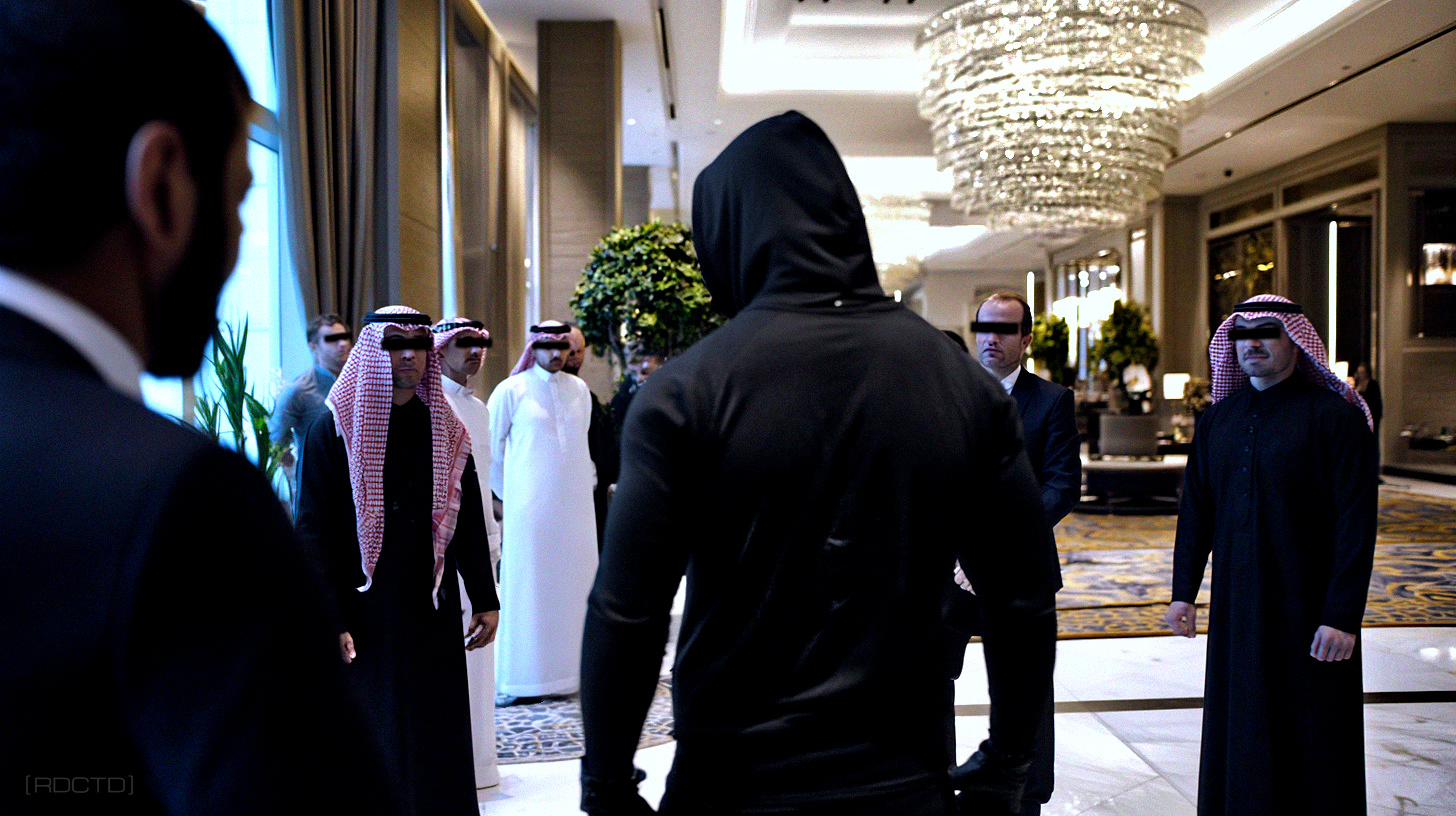
 The tradecraft method of a deliberate state shift you “switch on” before, or at the sign of an intimidation attempt – a controlled “hardening” sequence to make dominance maneuvers against you ineffective.
The strongest counter to intimidation is composure with a boundary and the strongest boundary is a steady baseline.
Counter-Intimidation Mode is the trained ability to deny coercive pressure and other hostile interpersonal moves by locking in composure, control, and boundary discipline when someone tests you through intimidation.
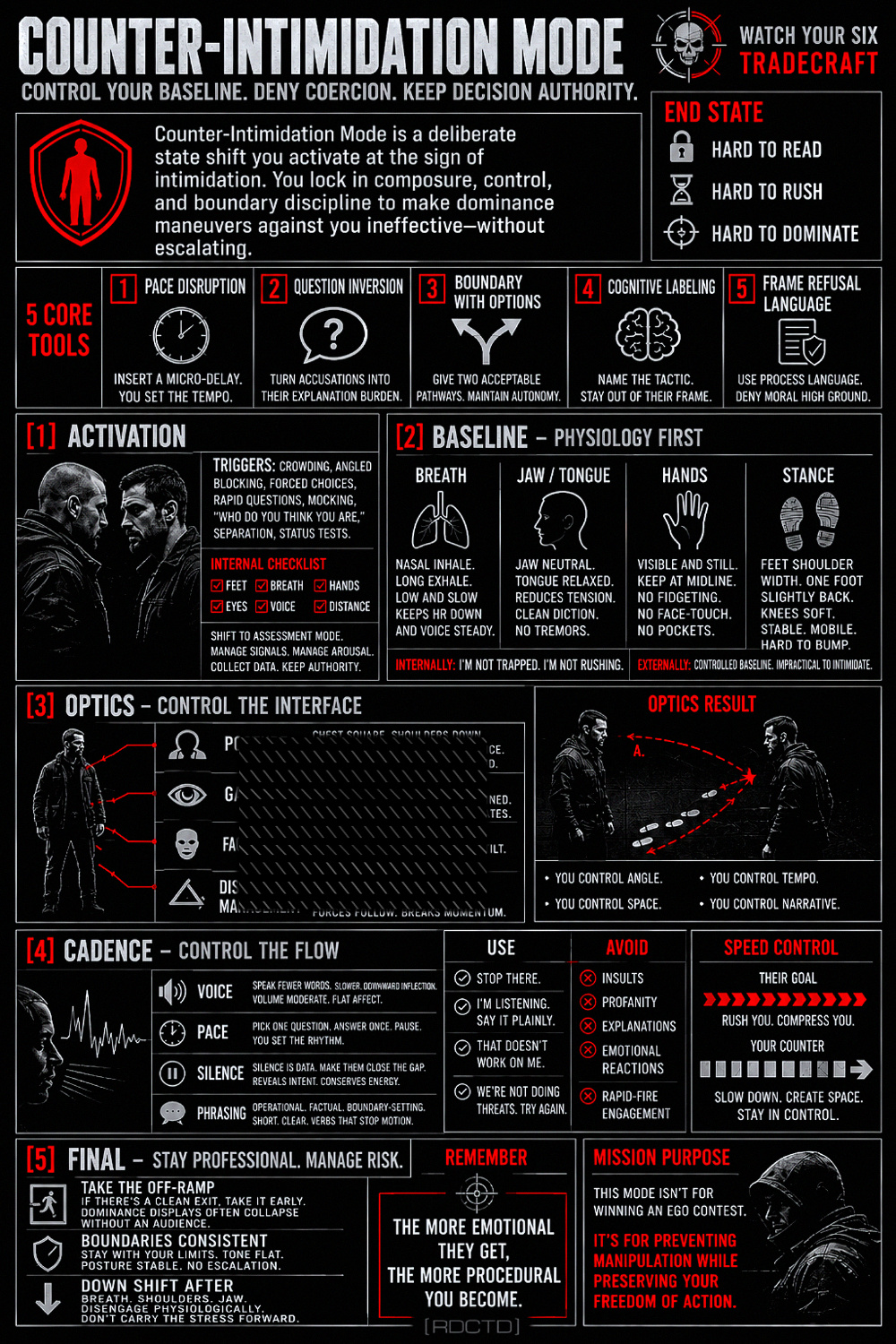
It’s not a simple “acting tough” power tactic, but a controlled change in posture, gaze, voice, and internal physiology that broadcasts an aura that’s effectively immune to intimidation. In operational terms, you’re managing signals (what you project) and arousal (how your nervous system behaves) so an aggressor can’t hook you with fear, urgency, or status pressure.
The end state is you become hard to read, rush, control, and socially dominate – without escalating.
That state changes the math for the aggressor: pressure has to become louder, more obvious, and more costly to sustain – the interaction can’t reward force so they must tone it down and lose stance.
Pace Disruption // Insert a micro-delay before any answer (a half-count, then speak) so you’re never pulled into reactive turn-taking. That tiny gap broadcasts deliberation and prevents “interrupt-and-steer” rhythms from sticking.
[ ACTIVATION ]
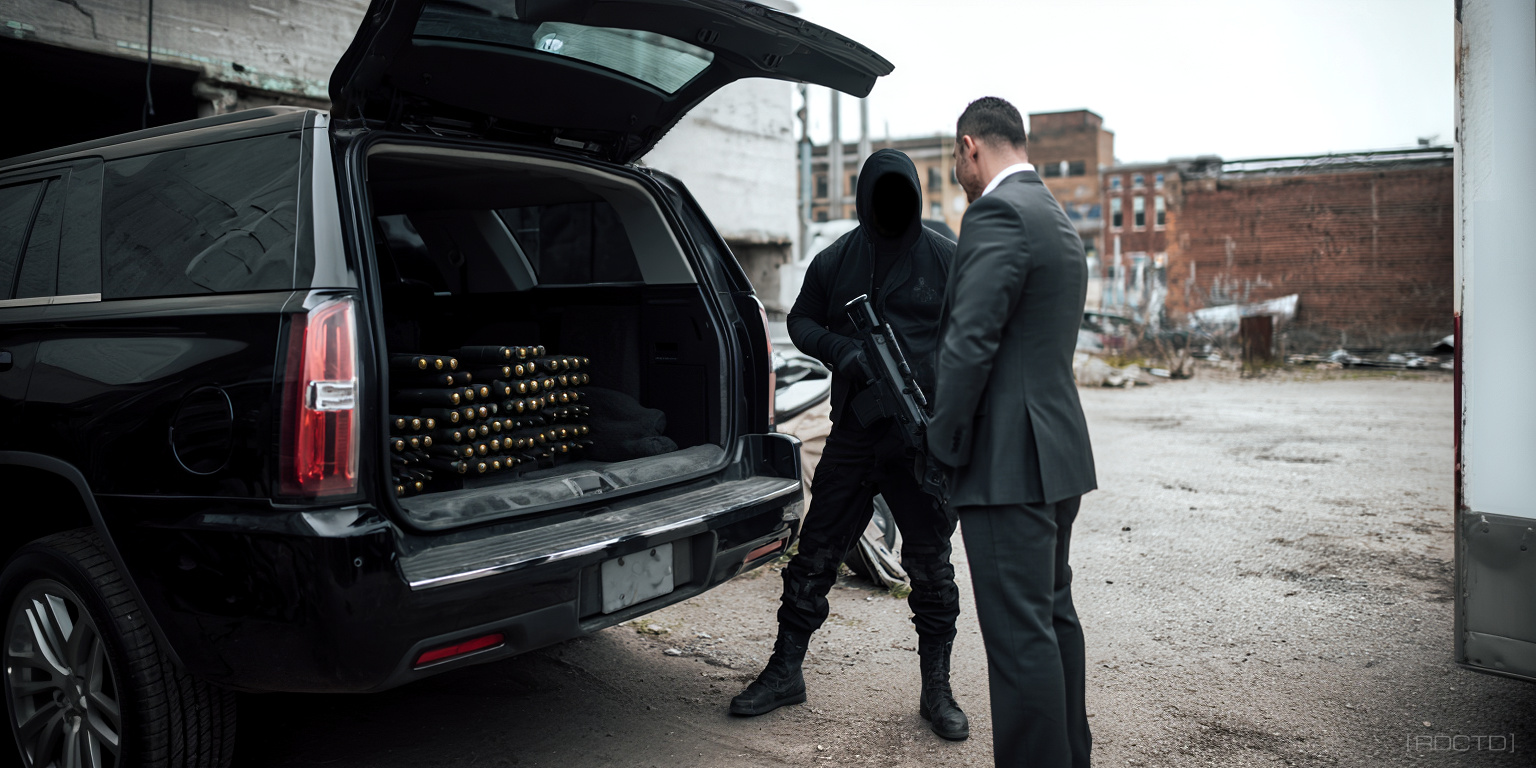
The trigger for the switch is any pattern that reliably precedes coercion: crowding your space, angled blocking, forced choices, rapid questions, mocking, “Who do you think you are,” or attempts to separate you from allies.
Handle these as pre-incident indicators (as opposed to attitude), and assume the next move is to compress your time, space, or decision-making. Tag the pattern fast, because the earlier you label it as a control attempt, the less it can shape your tempo. The moment you detect that shift, run a short internal checklist – feet, breath, hands, eyes, voice, distance.
The goal is to catch your own micro-reactions before they show up on your face or cadence. Manage that as signature control – you’re suppressing tells while you collect data and keep decision authority on your side. You’re flipping from “social mode” to “assessment mode,” meaning you stop feeding rapport and start managing access, pace, and angles.
The key is speed without drama. Don’t announce it. Don’t posture. Instead, let your body and cadence settle into a stable baseline that signals you’re comfortable with friction and you’re tracking details in real time.
Question Inversion // When hit with an accusation, respond with a calibrated clarification question (“What outcome are you trying to produce right now?”). It converts a dominance move into an explanation burden and often exposes intent.
[ BASELINE ]
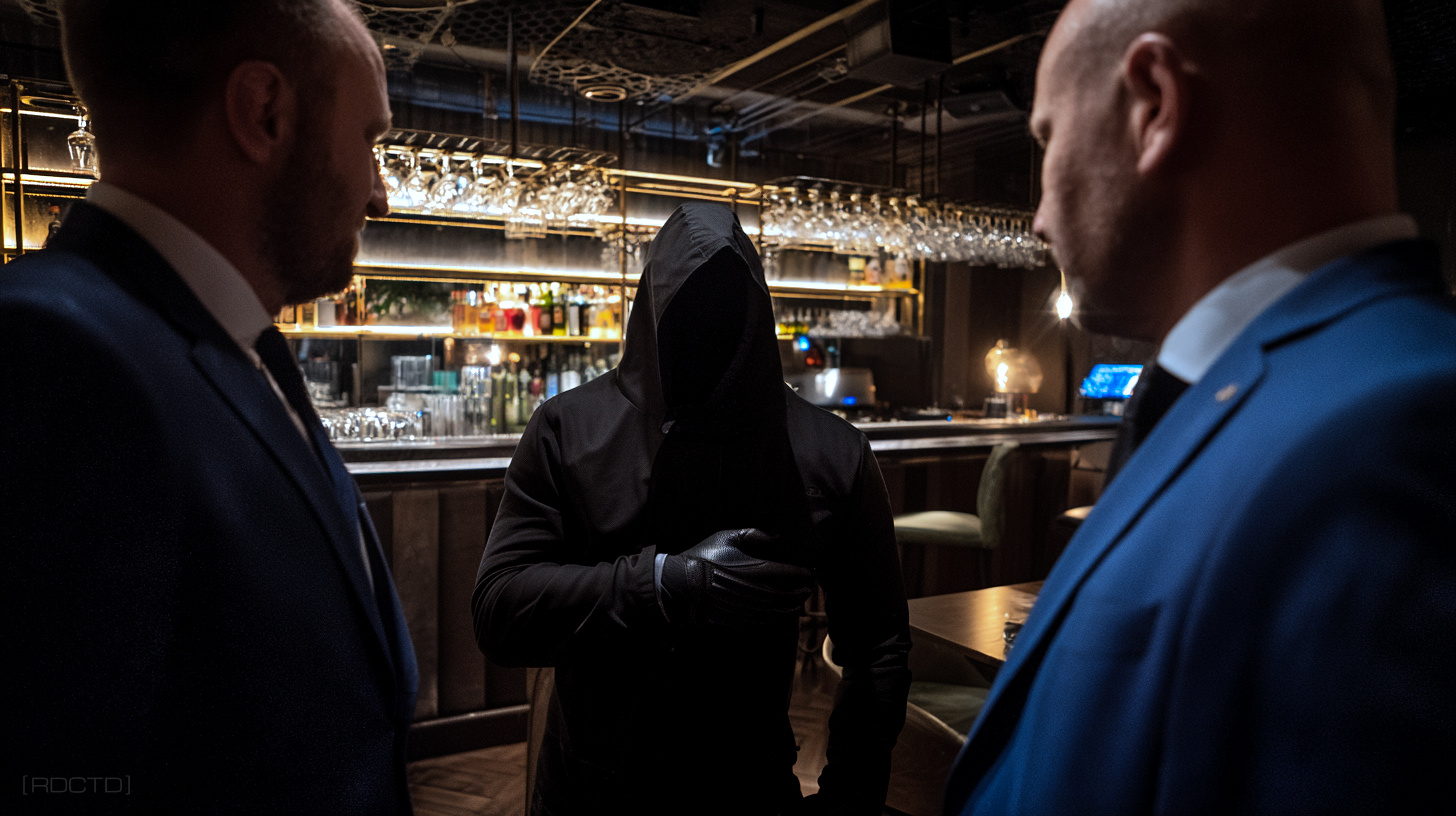
Start with physiology, because intimidation works best when it can spike your nervous system and pull you into a rushed, reactive tempo. Your job is to take control of your baseline first, so your exterior stays stable and your decisions stay yours.
Breath

Jaw / Tongue
Hands
Stance
When these elements lock in, the message goes both directions. Internally, you’re telling your own body, I’m not trapped and I’m not rushing. Externally, you’re projecting a controlled baseline that makes intimidation feel impractical, slow, and uncertain for the other side.
Boundary With Options // When you must give a constraint, attach two acceptable pathways (“We can do A now, or we can schedule B.”). Options preserve autonomy while preventing the other side from portraying you as “noncompliant.”
[ OPTICS ]

Then you shape the exterior, because intimidation is partly a perception fight – posture, gaze, and facial affect are the interface the other side reads to decide whether their intimidation tactics will work.
Your objective is to look present and deliberate, not aggressive or overly confident. This is also to project a baseline that doesn’t reward dominance attempts with flinches, explanations, speed, or any sort of give.
Posture
Gaze
Facial Affect
Distance Management

When these elements lock together, you no longer look like a target to attack and become a problem to avoid. You’re not threatening anyone, but you’re also not granting access to your reactions. In tradecraft terms, you’re tightening optics and controlling the room’s tempo without saying a word.
Cognitive Labeling // Name the behavior in your head as a tactic category (“status test,” “time-compression,” “false binary”) to prevent narrative capture. This keeps your prefrontal stack online and stops you from arguing inside their frame.
[ CADENCE ]

Your voice is the lever that makes intimidation backfire – as it controls flow, status, and emotional contagion in the interaction. Speak fewer words, slower, with a downward inflection at the end of sentences so your statements land as decisions, not requests.
Keep volume moderate – loud reads as emotional, while quiet can read as confident if it’s supported by breath and clean articulation. Aim for a “flat affect” delivery – calm, measured, and slightly detached, like you’re documenting what’s happening rather than reacting to it.
Use operational phrasing – short, factual, and boundary-setting, with verbs that stop motion and reset rules. Examples: “Stop there.” “I’m listening, say it plainly.” “That doesn’t work on me.” “We’re not doing threats. Try again.”
Avoid insults, profanity, or explanations – those are bids for approval and fuel for dominance games, and they also hand the other side material to spin.
If they rapid-fire questions, you don’t answer at their pace, because speed control is half the play. You pick one question, answer it once, then pause. That pause is deliberate signal discipline – it forces them to spend energy to re-engage while you keep your baseline unchanged.
Silence is part of the mode, often revealing their real objective.
Frame Refusal Language // Use “process language” instead of “emotion language” (e.g., “That’s not a workable approach” rather than “You’re being aggressive”). Process language denies them moral high ground and makes escalation look procedural.
[ FINAL ]
Keep the mode professional by pairing it with risk management and de-escalation options. Counter-Intimidation Mode isn’t isn’t for winning an ego contest, it’s for preventing manipulation while preserving your freedom of action. If there’s a seamless exit, take it early – dominance displays tend to collapse when you refuse the “stage.” If you must stay, keep your boundaries consistent, your tone flat, and your posture stable.
Afterward, downshift on purpose (breath, shoulders, jaw) so you don’t carry the stress forward. This tradecraft makes intimidation costly and ineffective for the aggressor, because they can’t get the reaction they need.
// The more emotional they get, the more procedural you become.
[INFO : Tactile Intimidation Tactic]
[OPTICS : Riyadh, Saudi Arabia]