![[RDCTD]](https://rdctd.pro/wp-content/uploads/RDCTD-Covert-Operative-Tradecraft-Guide-LOGO-tk.png)
![[RDCTD]](https://rdctd.pro/wp-content/uploads/RDCTD-Covert-Operative-Tradecraft-Guide-LOGO-mobile.png)

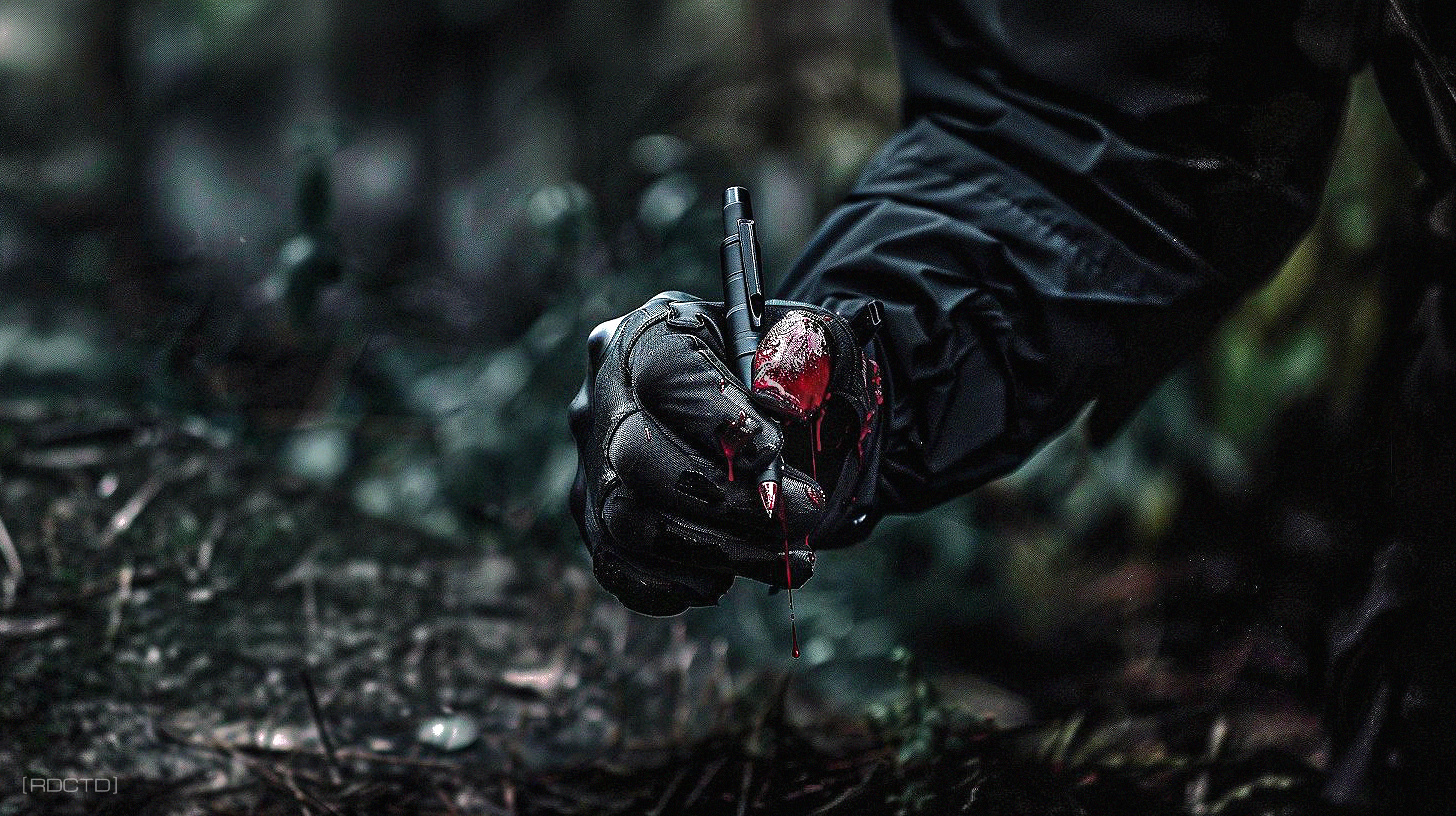
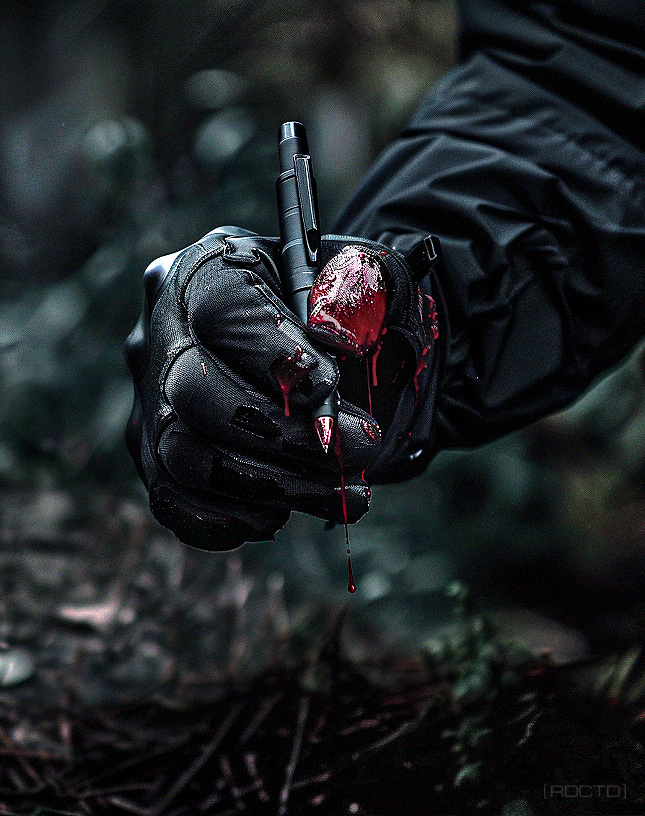 A “tactical pen” is a compact, hand-held impact tool that hides in plain sight with an innocuous profile. It’s a dual-use device with a benign primary (writing) function and a kinetic contingency (CQC) mechanism.
Pens ride inside normal human behavior – pocketed and ignored – until you need a fast piece of leverage at contact distance.
A “tactical pen” is a low-profile, hand-held impact implement disguised as a normal writing instrument, built as a dual-use tool. Ordinary on the surface, but retained for immediate contingency employment when the situation degrades. The technical advantage is its form factor – a rigid cylinder sized for the human hand, with a tip geometry capable of concentrating force.
+ Tactical Pens // gear shop »»»
Whether it’s marketed specifically as “tactical” or it’s a generic office pen, the core capability comes from leverage, focal pressure, and immediate availability. For the field, that blend of concealment-by-normalcy and on-demand utility has great operational value and makes it worth carrying for any EDC.
Train the non-dominant hand to “own the space.” The pen hand is only half the system — your other hand manages distance, blocks interference, and protects the tool from grabs.
[ THE TACTICAL PEN ]
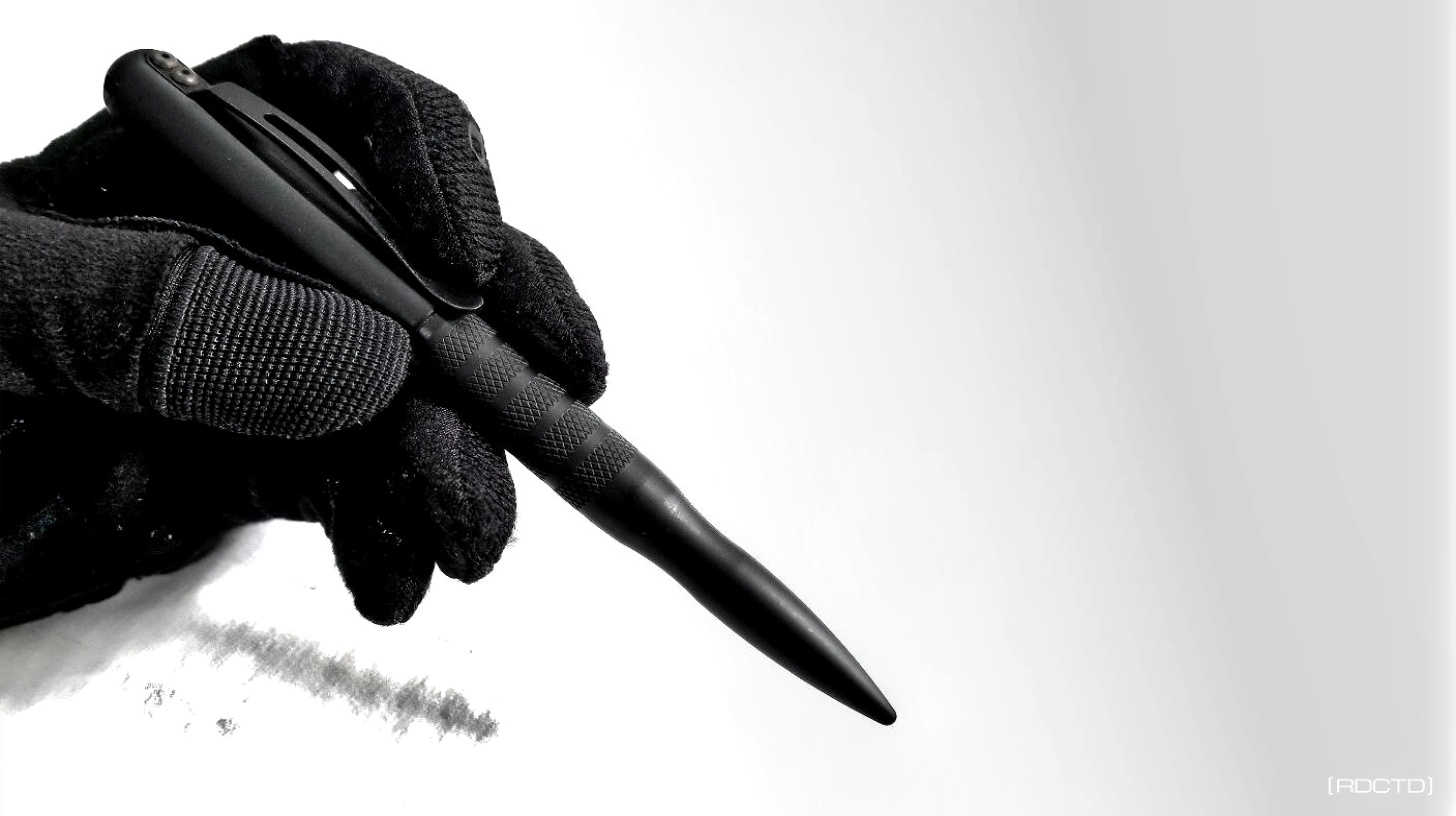
Purpose-built tactical pens are “overbuilt” by design. They’re engineered around the ugly realities of contact-distance use: stress, torque, sweat, and blunt impact that would destroy a normal writing instrument.
In CQC, the tool sees torsion from grabs, lateral loads from bad angles, and constant micro-impacts against bone, furniture, and hard edges. A standard pen is designed to write, not to survive that kind of abuse, so it flexes, fractures, or sheds parts right when you can’t afford a mechanical failure.
A tactical pen is built to stay rigid, intact, and controllable, so your inputs translate into repeatable effect instead of a broken barrel and a problem.
Materials
Expect aircraft-grade aluminum, stainless steel, or titanium because you need stiffness, dent resistance, and tolerance for lateral loading. A pen that flexes or mushrooms under force stops being a tool and becomes a liability. The overbuilt body keeps geometry consistent in the hand and preserves function when it’s knocked, dropped, or driven hard against unforgiving surfaces.
Structure
Threads, clips, and caps are typically reinforced because they’re the common failure points. Cheap threads strip. Weak clips bend or shear. Loose caps pop and turn one tool into two mediocre parts. Purpose-built designs lock those interfaces down so the pen stays intact, stays indexed, and stays retrievable even under deliberate and repeated damage to the pen.
Interface
The tip is often hardened for concentrated pressure application and, in some models, emergency glass disruption (tungsten). The body is usually textured for retention because slick metal and adrenaline don’t mix. Good texturing gives you purchase with wet hands, gloved hands, or compromised fine motor control, so the tool stays anchored when you need it most.
It’s combatives engineering. It keeps the pen from snapping, flexing, or shedding parts, so it remains a reliable, low-profile implement when the environment turns non-permissive and you’re operating off what you can carry.
Pre-stage without “staging.” If you sense compression coming, shift the pen to a writing-ready posture (notes, agenda) so it’s already in-hand without broadcasting kinetic intent.
[ THE ANY PEN ]

Any pen can be improvised as tactical if you understand the mechanics and its limits. Think in terms of capability instead of branding. You’re borrowing leverage and focal pressure from a common object, using it to buy time and space when you’ve got nothing else.
Plastic Pens
Disposable plastic pens can work, but they’re a consumable tool and you should treat them that way. Their weak points are the barrel wall, the clip, and any snap-cap interface, which means they fail fast under bending, twisting, or hard edge contact. Use them for brief, controlled pressure and quick disruption, not sustained contact or leverage-heavy work.
• Keep everything aligned with the pen’s axis, avoid lateral prying, and assume it may break after a single hard use. When one does fail, let it fail – don’t freeze trying to “save” it, just disengage or switch hands/tools.
Metal Pens
Metal-bodied office pens are the most capable “non-tactical” option because they keep rigidity and carry enough mass to transmit force efficiently. The risk is usually at the interfaces – caps that separate, click mechanisms that collapse, and slick bodies that rotate when your grip degrades. If it’s capped, seat the cap firmly or ditch it entirely before you need the tool; if it’s a clicker, verify it won’t retract under load.
• Prioritize pens with a textured section or a defined grip ring so the tool stays indexed and doesn’t spin when your hands are wet or you’re working at clinch distance. Also avoid ultra-thin “executive” pens, since their narrow barrels tend to cut your own grip and reduce control under pressure.
Wooden Pencils
The basic pencil is deceptively useful because they’re common, lightweight, and easy to justify in almost any environment. Their limitation is structural – wood splits under lateral load, and the graphite core crumbles, so you treat it as a short-duration tool for tight, controlled application rather than sustained contact. Keep your mechanics compact and aligned with the pencil’s axis, and avoid twisting or “levering” motions that snap it.
• If you’re working from cover posture, a pencil gives you plausible in-hand access with minimal signature while still providing a hard, narrow body for quick, localized pressure when you need a brief opening to disengage.
The operative mindset is that “tactical” is a capability state driven by access, grip, and application under stress. If you can index it consistently, retain it when fine motor control drops, and apply it without overcommitting, it’s viable. If you can’t, it’s just a pen with extra mythology.
Carry purpose-built tools when you can because they’re engineered to survive hard use, but don’t outsource competence to hardware. In the field, you use what you can carry, you stay within proportional force, and you ,amage the pen as a bridge to disengage – cleanly, fast, and with minimal optics.
Keep the pen tip indexed by feel. Use the clip, texture, or a known seam as a tactile landmark so you always know where the working end is without looking. Visual checks cost time and telegraph your intent.
[ THE COVER ]
![Covert Operative Writing a Personal [SOP] Standard Operating Procedure with a Tactical Pen | RDCTD Tradecraft](https://rdctd.pro/wp-content/uploads/Covert-Operative-Writing-a-Personal-SOP-Standard-Operating-Procedure-RDCTD-Tradecraft.jpg "The Tactical Pen 25")
A critical operational value is permissibility. Pens are culturally expected objects in offices, hotels, airports, meetings, and most controlled environments where knives and dedicated defensive tools draw scrutiny.
They pass the “why do you have that?” test with a single sentence and usually without a second look, which matters because you’re protecting your cover story as much as you’re protecting your body. They also sit inside routine behavior – taken out, clicked, loaned, pocketed – without triggering the social alarms that unusual gear does.
In non-permissive areas, you’re optimizing for plausible carry, minimal signature, and low legal/administrative friction, because friction creates attention and attention creates undesirable questions. A pen helps you blend into the environment’s expected inventory, so your loadout stays “invisible” to staff, cameras, and casual observers.
That situational invisibility gives you options: you can keep a tool on you when you can’t keep a blade, and you can keep it staged where your hand can reach it without looking like you’re staging anything hostile.
A tactical pen, or even a normal pen, supports that posture while still giving you an option that doesn’t scream “weapon” the way purpose-made tools do. If the moment goes sideways, it’s already in your hand category and within reach. So you’re not searching for equipment, but executing a contingency.
That’s the tradecraft advantage – low-profile carriage, nondescript access, and a defensible explanation that survives a glance and keeps you moving.
Work off angles, not strength. Your best results come from slight offline steps that deny straight-line access to your center. If you stay square, you’ll end up muscling instead of managing.
[ THE CARRY ]

Carry methodology is where the capability becomes real. If you can’t access the pen cleanly under stress, it’s just pocket clutter, not a contingency tool.
At a technical level, you’re solving an access problem under degraded motor control. That means minimizing steps – no zippers, deep pockets, caps to seat, “dig” motions, and reliance on vision. Your carry location should support a straight-line draw path, a clean presentation into your preferred grip, and immediate re-stow without looking.
If you can’t produce the pen cleanly while seated, moving, and with your non-dominant hand, your carry setup isn’t operational yet – it’s just convenient.
Index Point
You want a consistent, repeatable location that survives movement and routine – strong side front pocket clip, blazer inside pocket, notebook folio slot, or a low-profile lanyard tucked under the shirt line when the environment allows it. The goal is muscle memory. Your hand should find the tool without searching, looking, or adjusting posture.
Orientation
Clip orientation matters because it dictates how the pen presents to your hand. Tip-down carry often yields a faster draw into a forward grip. Tip-up can favor a quicker reverse grip depending on your mechanics and garment access. Pick one method per cover wardrobe and stick with it. Consistency beats theoretical speed.
Stability
Whatever you choose must be stable under movement and retrievable with one hand. Avoid setups that migrate in the pocket, snag on seams, or require fine motor “fishing” in a bag. If you can’t draw it while seated, in low light, or with your support hand, it isn’t an operational carry method.
Tactical everyday carry is an access system. Your pen has to live where your hand naturally goes, present the same way every time, and survive daily movement without migrating. When pressure spikes and fine motor drops, consistency is what keeps it usable.
Exploit the “already writing” posture. Keep the pen in a natural tripod grip while you talk, then close to a fist only if the moment hardens. That lets you stay socially normal until you need structure.
[ THE TACTICAL ]
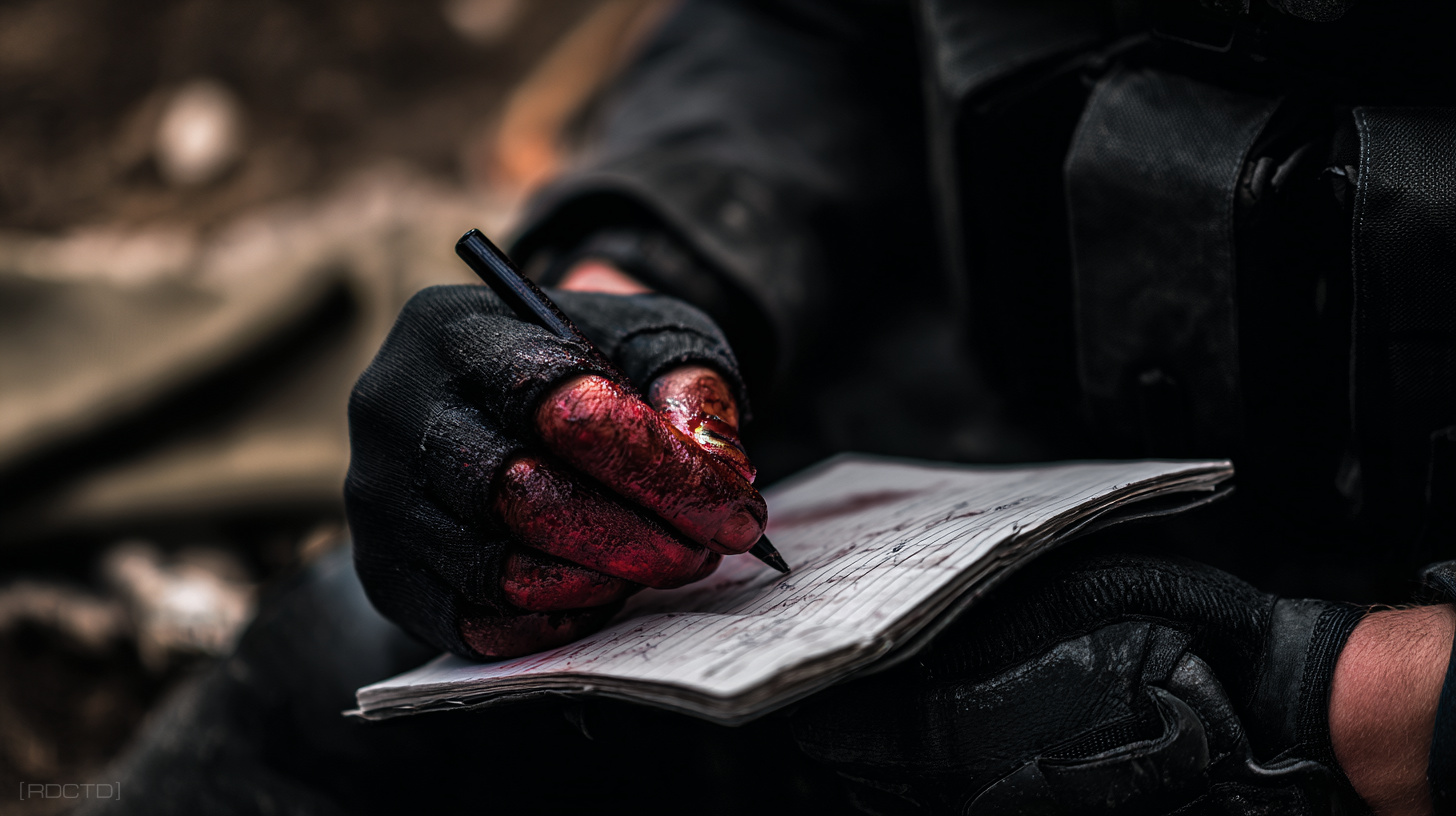
During tactical applications, utilize the pen as a non-lethal impact and control implement. The pen is a compact force multiplier that only works when your mechanics are clean and your intent is controlled.
Mechanics
Its feature isn’t “stabbing.” Its strength is focused pressure, short-range strikes, and structural leverage. You’re using a rigid cylinder to concentrate force into small surface areas, which lets you generate effect without big swings or obvious wind-up. That keeps the tool viable in tight spaces, clinch distance, and crowded interiors where gross motion telegraphs.
Effects
Technically, you’re exploiting pain response, motor disruption, and proprioceptive shock rather than relying on raw damage. This can create compliance, a break in rhythm, or a brief window to move. The goal is a functional interruption – enough to reset spacing, regain balance, or force a decision point – without escalating beyond what the environment will tolerate.
Operational Fit
This tool is in the “exit” category. It’s aligned with last-resort self-protection in politically sensitive settings where you’re managing optics, witnesses, and downstream consequences. A pen gives you a low-profile option that matches covert tradecraft: plausible carry, fast access, and an effect profile that supports disengagement.
Use it to manufacture a decision point, then leave on that count. The pen’s job is to interrupt, not to dominate. Stay compact, keep the tool secured, and prioritize angles that open egress. If the action can’t be explained as controlled, proportional separation to disengage, you’re escalating without payoff.
Avoid hard commitment in crowded interiors. In tight rooms, big motion creates collateral risk and invites witness misinterpretation. Keep actions compact and immediately exit-oriented.
[ THE COMBATIVES ]
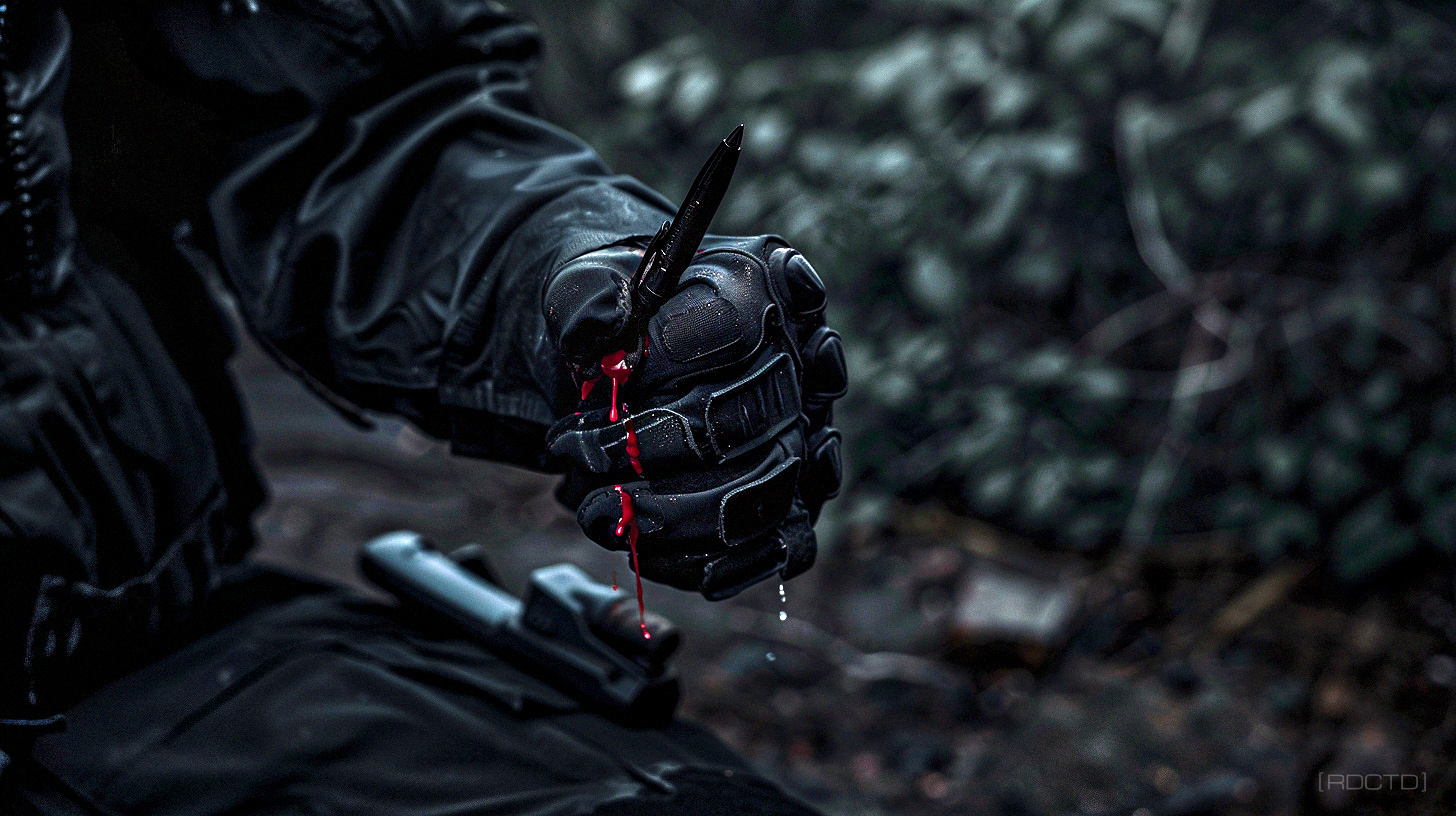
Execution should prioritize retention and positional advantage. Adapt the pen as an anchor point for control but not a standalone solution or dedicated weapon. Use it as a compact control tool only for contact distance – where space is limited and small mechanics win.
Grip Tactics

Compact Delivery
Frame With The Off-Hand
Footwork and Hips
Clinch Integration

Transitions and Re-Indexing
Verbal + Movement
Environmental Alignment
A tactical pen is a bridge tool but not necessarily a solution. Its job is to buy a narrow window (one step, one pivot, one door) so you can disengage, transition to a safer position, or access a higher-priority option if it exists.
Use task (cover) camouflage. Anchor the pen to a legitimate task—signing, pointing at a map, tapping a notebook – so your hand position has cover and doesn’t look like a preparatory grip.
[ FINAL ]
Operational discipline is planning for both performance and aftermath. If you carry a purpose-built tactical pen, ensure it still writes, looks ordinary enough for your cover, and doesn’t invite attention with aggressive styling. If you’re using “any pen,” know its failure modes (caps slipping, barrels cracking, clips snapping) and adjust force and angles accordingly.
Train realistically – draw strokes from actual clothing, low-light access, dominant and support hand use, and integration with CQC. The tactical pen is a silent tool that stays in its lane – secondary, last resort, or only resort.
+ Tactical Pens // gear shop »»»
[INFO : Covert CQC Screwdriver]
[OPTICS : Tactical Pen as Impact Weapon]