![[RDCTD]](https://rdctd.pro/wp-content/uploads/RDCTD-Covert-Operative-Tradecraft-Guide-LOGO-tk.png)
![[RDCTD]](https://rdctd.pro/wp-content/uploads/RDCTD-Covert-Operative-Tradecraft-Guide-LOGO-mobile.png)

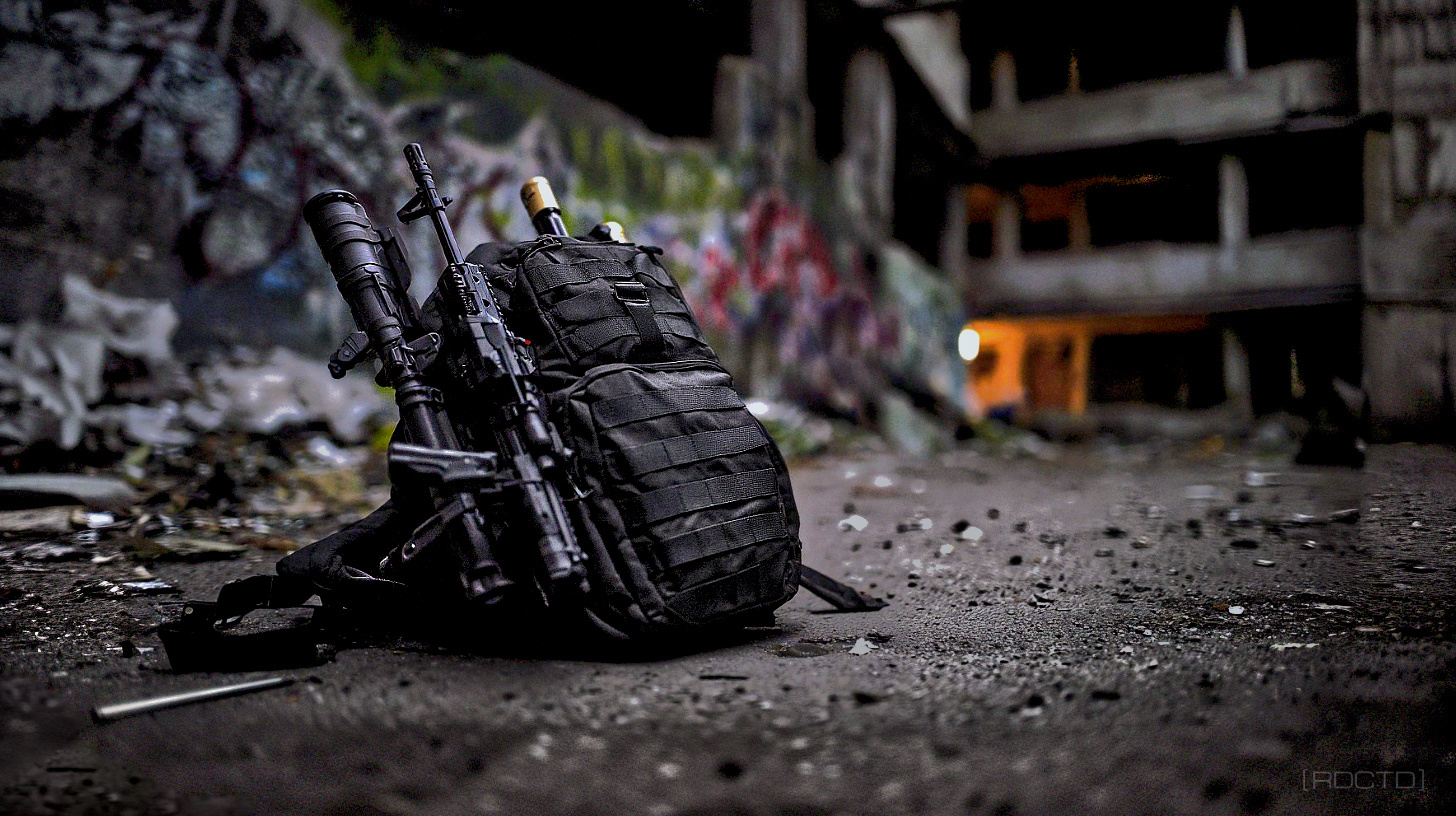
 A go-bag (small to medium backpack) is a situationally preconfigured, rapidly deployable kit designed to bridge the time gap between a sudden disruption and the restoration of normal support systems.
When the plan goes bad, your go-bag becomes the plan.
The bag and the contents within a go-bag is a deliberately curated, grab-and-move loadout that keeps you mobile, self-sufficient, and mission-capable when you’re forced off routine and away from support. In operational terms, it’s a self-contained sustainment package that supports movement, basic survival, communications, and decision-making under uncertainty.
+ Go-Bag Packs & Kits // gear shop »»
It exists to preserve continuity of action when you don’t control the timeline, the environment, or the resupply cycle. For covert operatives, it’s less about survivalism and more about ensuring you can break contact with routine, relocate, and remain functional without creating signature.
Rehearse an “abandon bag” sequence for scenarios you have to ditch the go-bag. You should know exactly what moves to pockets in the first five seconds.
[ FRAMEWORK ]
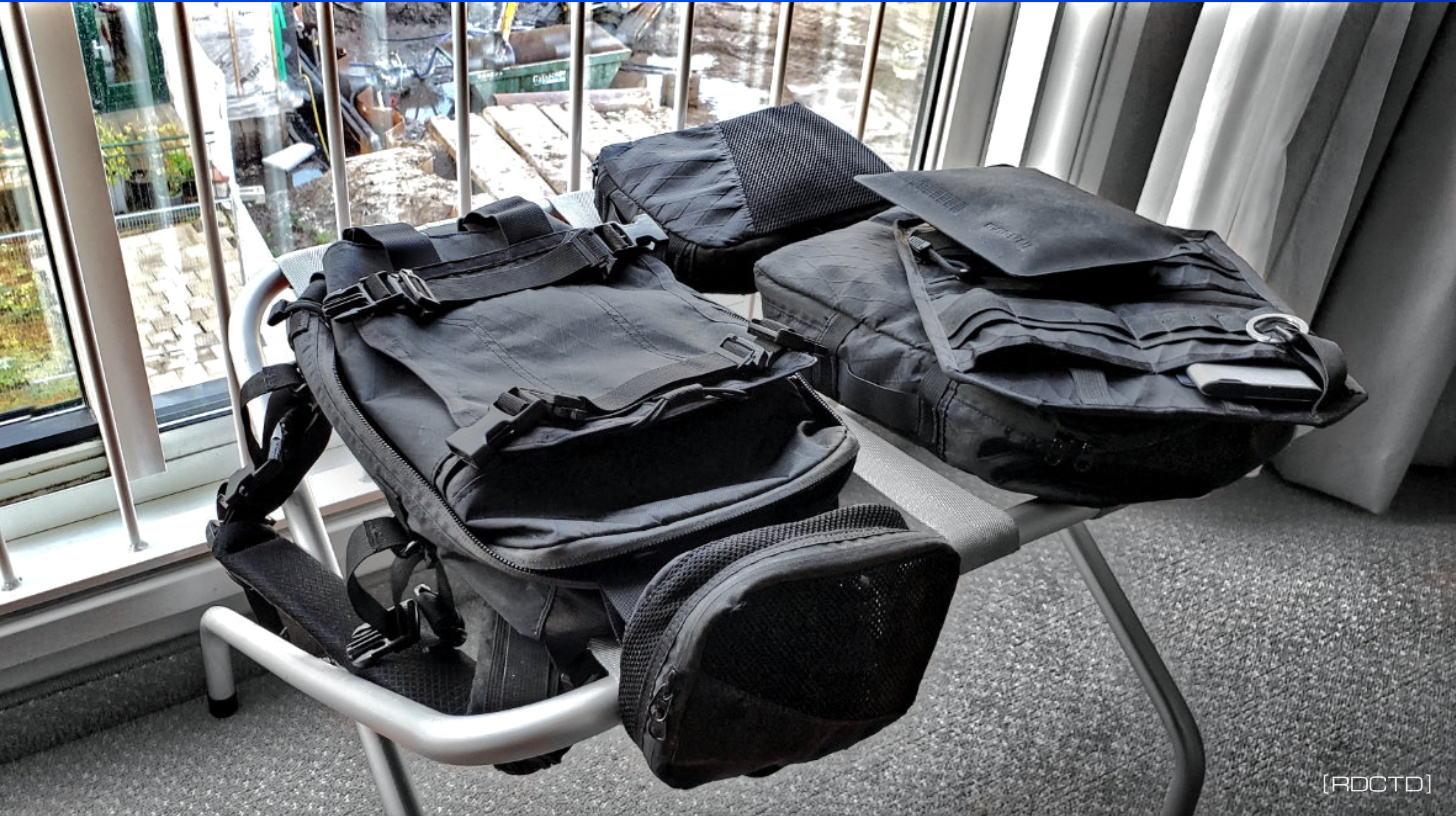
Conceptually, a go-bag is built around mission duration and operating context, not around generic checklists. A practical way to engineer that loadout is to manage it as time-phased sustainment. Capabilities you need now, soon, and later – so every item earns its place by supporting a specific window of performance.
0–6 HOURS | Immediate Mobility + Stabilization
This phase is about getting moving fast and staying functional under stress. Prioritize first-out access (light, gloves, a compact medical bleed kit, navigation reference), cash/finance kit, immediate hydration on-body, and rapid problem-solving tools that don’t require setup. Pack for speed: minimize snag hazards, keep high-frequency items external or top-layer, and avoid anything that slows transitions between environments.
6–24 HOURS | Self-Sufficiency + Problem Solving
This phase is about sustaining output when you’re away from support. Emphasize water acquisition and treatment, compact calories, and navigation/route control (analog backup to digital). Add low-burden shelter and thermal management (rain layer, insulation, dry socks) plus simple hygiene to prevent degradation. Think in terms of throughput: you’re keeping hydration, energy, and awareness stable enough to make good decisions.
24–72 HOURS | Endurance + Controlled Recovery
This phase is where fatigue, weather, and small failures compound. Prioritize redundancy and repair (spares, tape, cordage, basic field repair), sleep/thermal protection, and power management for any critical electronics. Your kit should degrade gracefully: if one system fails, you still have a workable alternative. This is also where disciplined packing pays off – dry storage, crush protection, and a layout that prevents losing small, mission-critical items.
* If a component doesn’t strengthen at least one of these time windows or it duplicates capability without improving reliability, it’s dead weight. That becomes a liability when you need to stay mobile and keep a low signature.
Run a “three-breath access” test on critical items. If you can’t retrieve and stow them inside three controlled breaths, they’re staged wrong.
[ MODULES ]
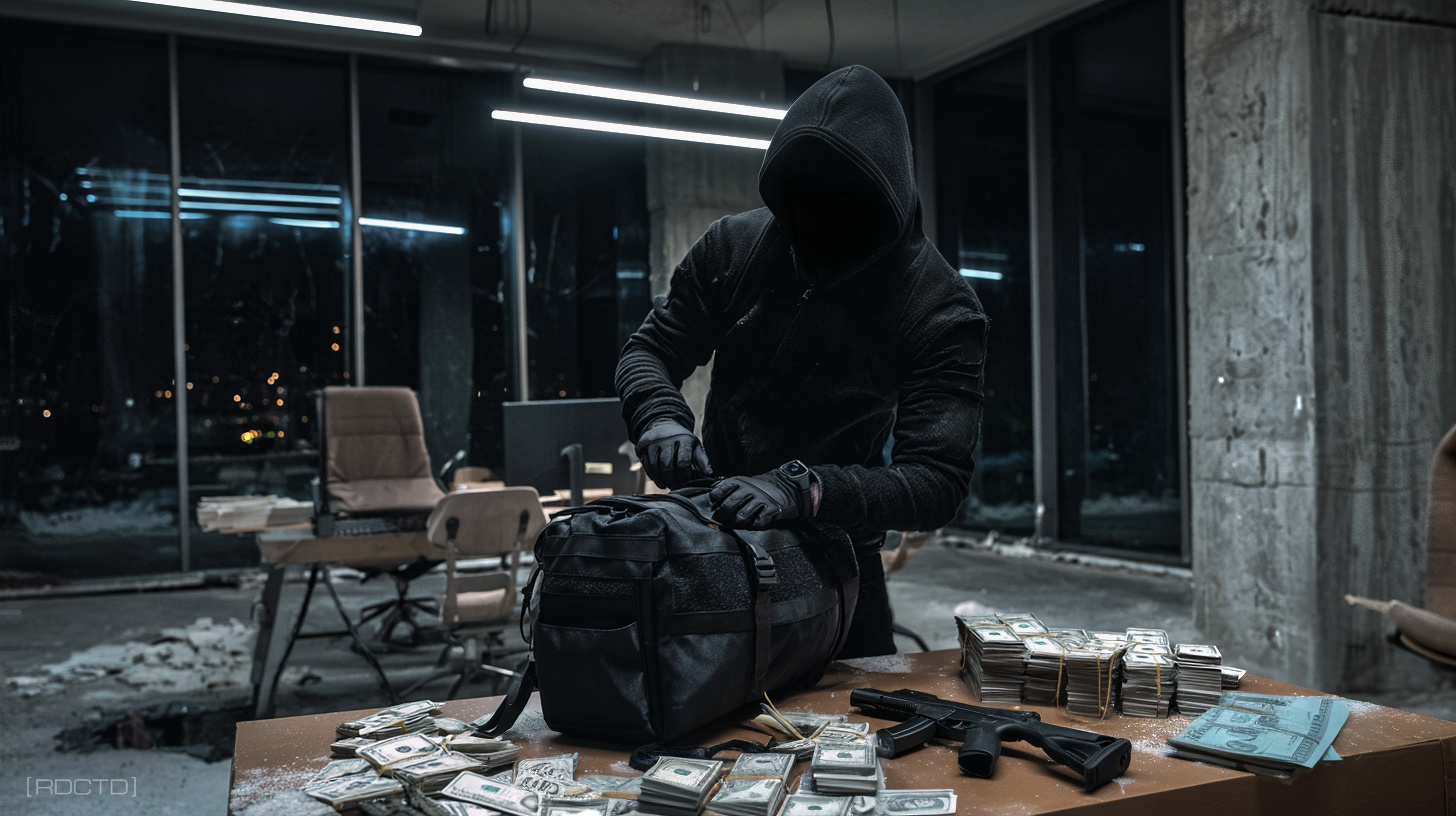
From a systems-engineering perspective, the go-bag is an integrated platform built from discrete modules that you can adapt, audit, upgrade, and reconfigure without breaking the whole loadout.
Each module should be internally complete and externally compatible – shared battery formats, common connectors, consistent labeling, and packaging that supports one-handed access and low-light identification.
Weight distribution matters as much as total weight. Dense items ride high and close to the spine to reduce fatigue, improve balance, and keep movement controlled when you’re moving with intent.
Comms Module
Comms is a discipline, not just hardware. Package it to support rapid check-ins, silent operation, and controlled emissions. Include what you need to send/receive, secure, and maintain power, plus a low-tech fallback for signaling and message capture. Keep it organized so you can deploy it in seconds without dumping the bag.
Medical Module
Manage the medical kit like a “first-out” subsystem. Prioritize rapid hemorrhage control and immediate stabilization, then layer in sustainment care. Package it so you can access critical items under stress and in low light, and protect it from moisture and crush. Medical that’s buried is medical you don’t have.
Weapons Module
This module is context-driven and must be tightly governed by legal constraints, mission parameters, and signature. The engineering principle is controlled access and safe carriage: secure retention, no rattles, no printing, and no accidental exposure during routine movement. Keep this module separated from high-frequency sustainment items so you don’t cross-contaminate access patterns or create unnecessary handling.
Admin / Logistics Module
This is the “paperwork and friction reduction” layer: identity support, cash management, note-taking, and small items that prevent delays (maps, copies, contacts, a minimal hygiene/maintenance set). Keep it discreet, protected from moisture, and organized so you can produce what you need without broadcasting what you’re carrying.
Finance Module
Build a staged cash kit (quick-spend + reserve) in region-appropriate denominations, identity secure credit cards, anonymous cryptocurrency, plus a discreet carry method that doesn’t print or force rummaging. Primary usage for transit, food, lodging, black market, and a contingency buffer for reroutes or denied access.
Tools / Repair Module
This is your capability to keep the platform running. Focus on high-leverage repair: cutting, fasteners, tape, cordage, and small spares that restore function (buckles, zipper pulls, batteries, thread/needle). Choose tools that are quiet, compact, and multipurpose, and avoid duplication that doesn’t improve reliability.
Water Module
Engineer this for redundancy – carry capacity plus treatment. Your primary is fast access to drinkable water; your secondary is the ability to make unsafe sources usable. Keep treatment simple and reliable, and store it where you can reach it without unpacking the bag.
Power Module
Power is an enablement layer for comms, navigation, lighting, and identity tools. Standardize battery types where possible, reduce single-point failures, and manage cables like a system – short, labeled, and strain-relieved. Protect power components from water intrusion and hard impacts, and keep a small “emergency power” option accessible.
Shelter / Thermal Module
This module prevents performance collapse. It’s rudimentary – heat retention, weather management, and dry-state preservation. Favor items that work in bad conditions: insulation that still performs when damp, rain protection, and a way to create windbreak and ground insulation. Store critical thermal items in a dry bag.
* A professional layout supports “first-out” items at the top or exterior while keeping fragile or mission-critical components protected from crush and moisture. If the modules are standardized and staged, you can scale capability up or down without redesigning the whole bag, which is critical for when conditions change mid-stream.
Separate “public access” from “private access” compartments by design, not intention. If you ever have to open the bag in front of others, you’ll be glad you engineered the boundary.
[ REDUNDANCY ]

An operator’s go-bag is built to manage risk through redundancy and graceful degradation rather than excessive duplication. That means you plan for predictable failures – loss, damage, dead batteries, denied access, and sudden weather.
Then build layered capability so you can keep moving when an item quits on you. That requires primary, secondary, and tertiary options for the most failure-sensitive functions: hydration (carry + acquire + treat), light (headlamp + handheld + chem), thermal management and weather control (insulation + rain layer + wind protection), and navigation (digital + analog + terrain association).
The objective isn’t to have as much gear as the go-bag can hold. It’s uninterrupted capability when one layer breaks, gets lost, or becomes unusable. You’re designing around failure modes, not comfort.
Redundancy should be asymmetric – a lightweight backup that works differently than the primary, so a single failure mode doesn’t wipe out the whole capability. If your primary hydration solution is carried supply, your fallback is treatment and acquisition.
If your primary navigation is GPS, your backup is map/compass plus practiced terrain association. If your primary thermal plan is insulation, your fallback is rain/wind control that preserves body heat and keeps you dry.
This approach also controls signature because you’re not carrying three versions of the same bulky solution. It’s tradecraft applied to logistics – your kit should keep working when conditions aren’t cooperating, and it should do it without forcing you to stop, unpack, or improvise.
Stage liquids and compressibles in a dedicated containment layer so a leak can’t contaminate textiles, paper, or electronics. One spill shouldn’t turn into a cascade failure.
[ SELECTION ]
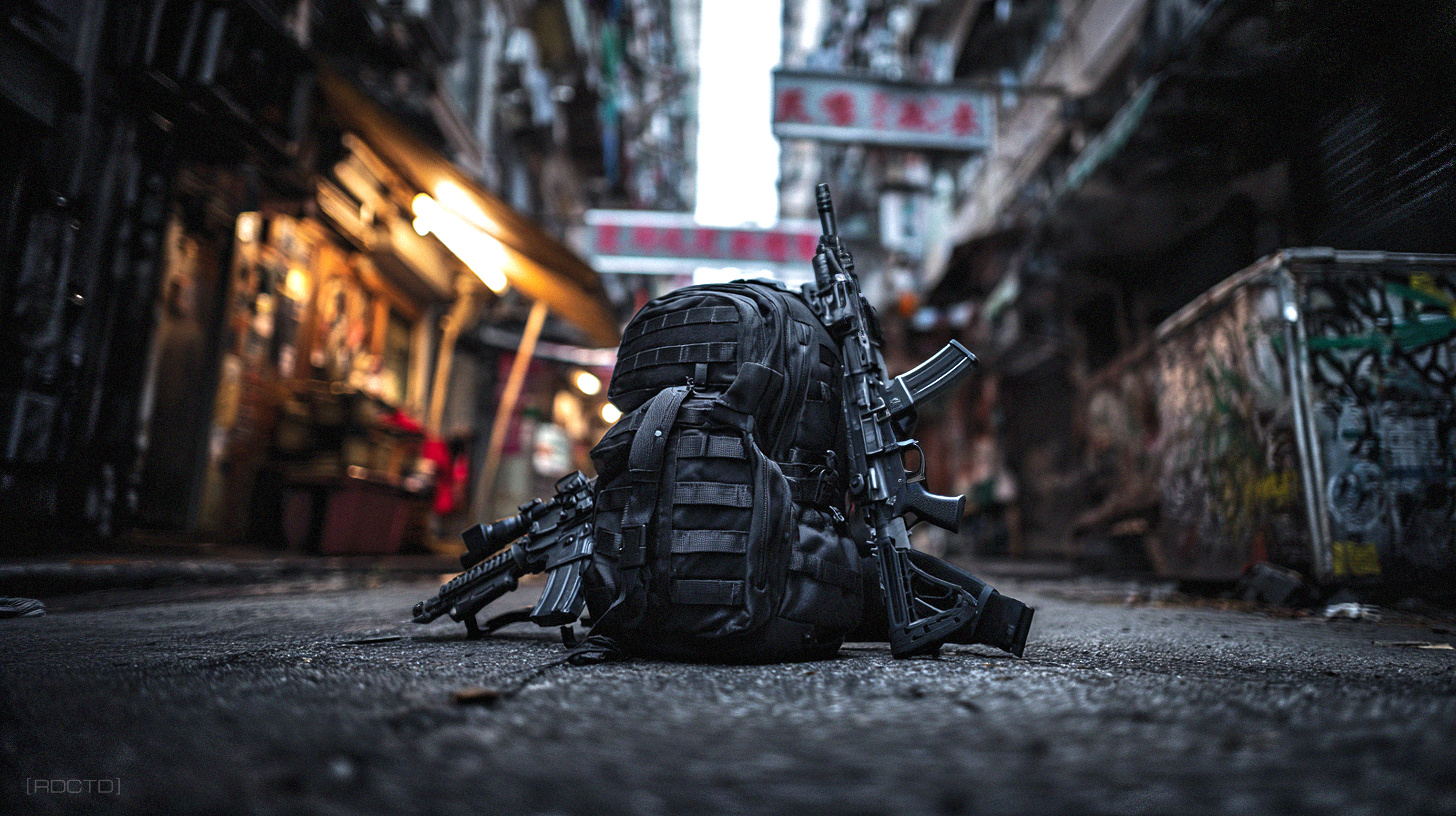
Technical selection relies on environmentals, legal constraints, and signature management. Your materials should be selected for durability, quiet handling, and low reflectivity. Packaging should actively suppress noise (no loose metal-on-metal) while minimizing visual cues.


For operatives, documentation and cash management are operational enablers, not admin clutter. Protect identity-support materials from moisture and abrasion, carry region-appropriate denominations, and stage it so you can access it without rummaging or broadcasting value.
The goal is frictionless movement with controlled signature – tradecraft applied to the small details that keep you inside the baseline.
Index your pouches with tactile markers (elastic bands, heat-shrink dots) so you can confirm the right module by touch without looking. It cuts “bag time” and reduces signature in low light.
[ READINESS ]
A go-bag is only at an operational readiness level if it’s maintained, tested, and rehearsed. Loadout should be validated with short field checks – can you access critical items in the dark, under stress, with one hand; can you move quickly without shifting, squeaking, or snagging; can you replenish water and keep electronics powered for your intended window.
After every use or quarterly, inspect seals, replace degraded consumables, and update modules to match current routes, comms plans, and local conditions. The go-bag is a capability, not a pile of gear, and its value is measured by how reliably it supports decisive action when time is the enemy.
+ Go-Bag Packs & Kits // gear shop »»
// A go-bag should buy you options, not lock you into a plan.