![[RDCTD]](https://rdctd.pro/wp-content/uploads/RDCTD-Covert-Operative-Tradecraft-Guide-LOGO-tk.png)
![[RDCTD]](https://rdctd.pro/wp-content/uploads/RDCTD-Covert-Operative-Tradecraft-Guide-LOGO-mobile.png)

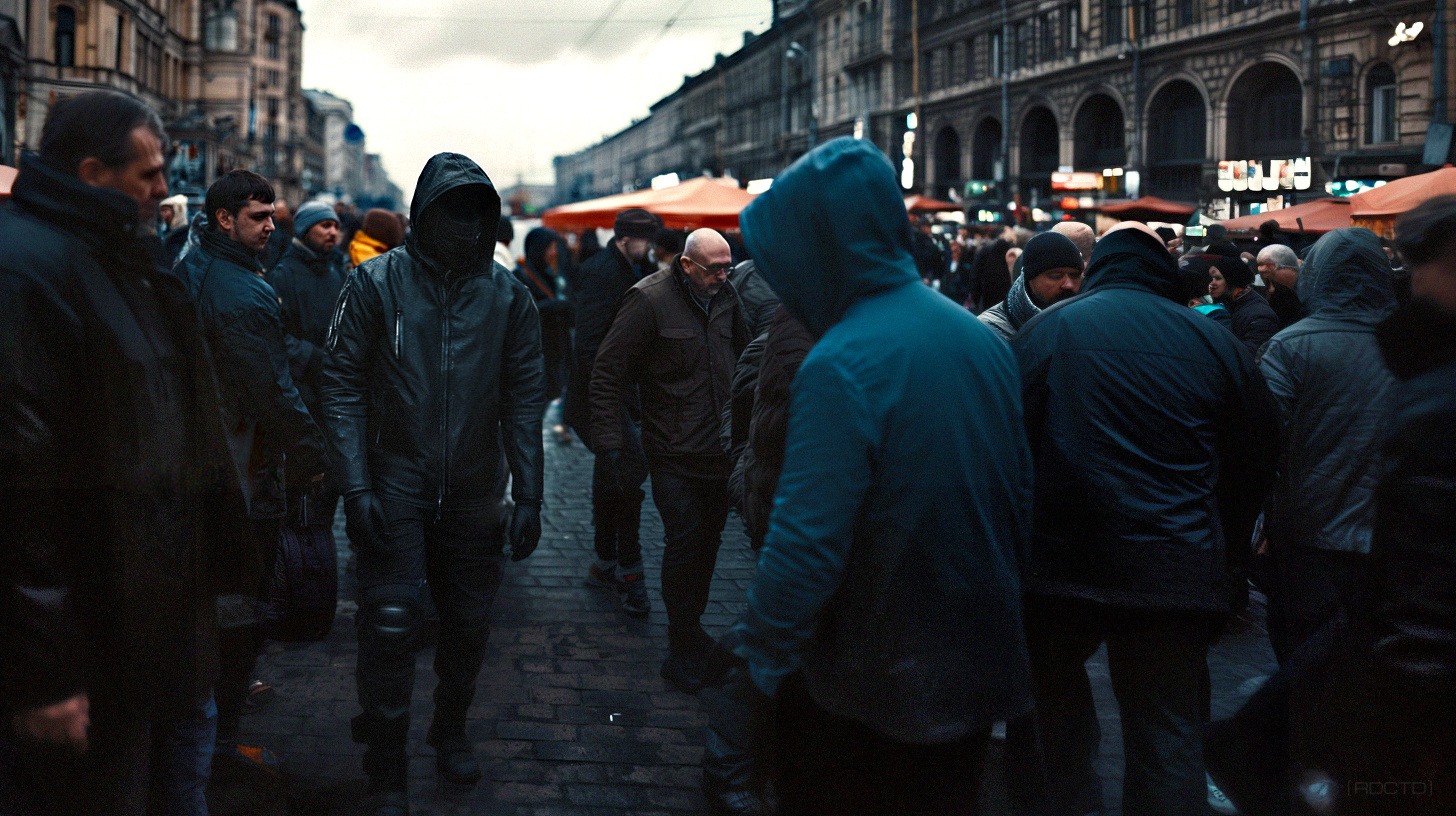
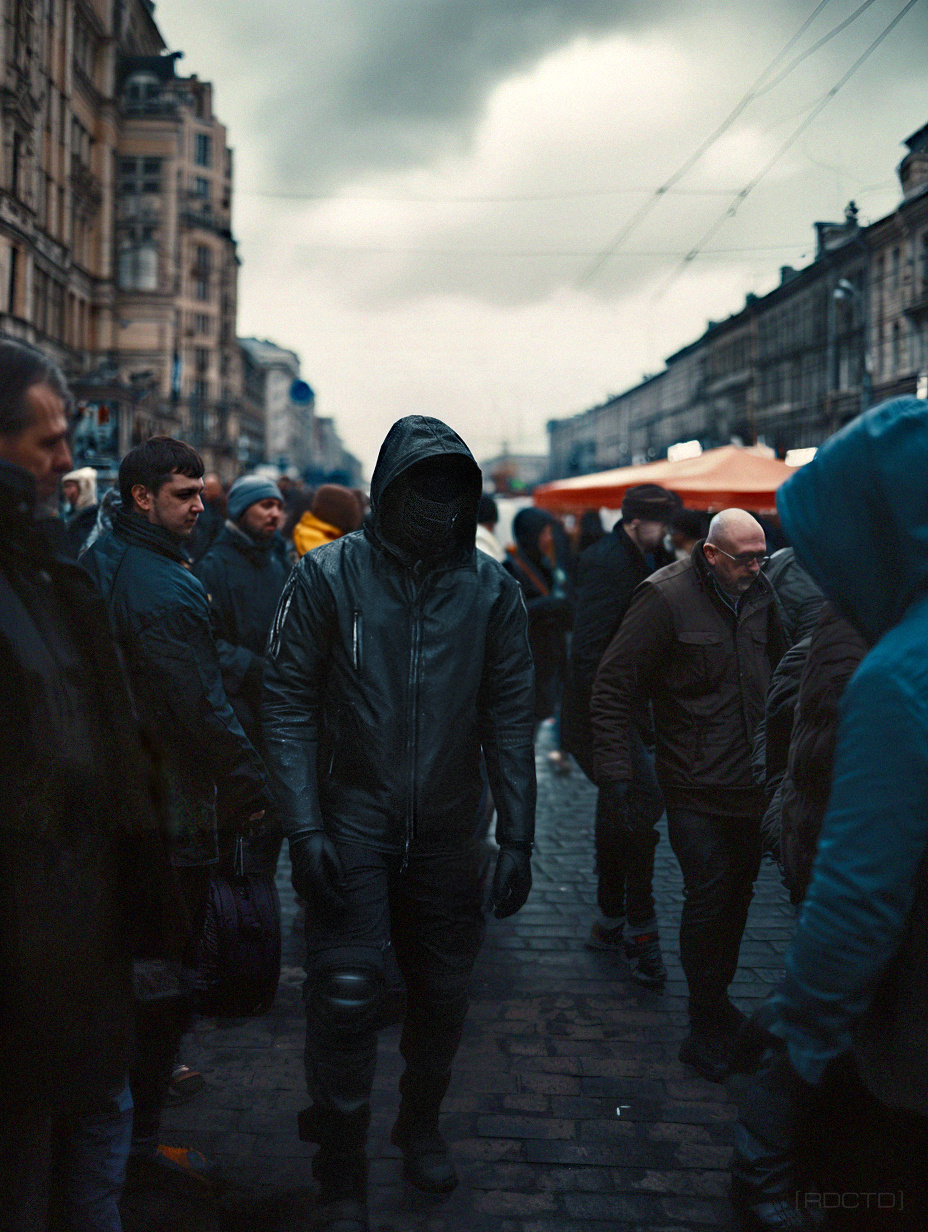 The tradecraft of identifying and exploiting the small, repeatable movement decisions people default to in urban terrain under both routine and stress – used to predict position, timing, patterns, and intent.
Your shadow isn’t behind you, it’s in front of you, waiting at the next decision. Route changes matter less than behavior changes.
A Target Route-Echo Signature is the unique pattern a person telegraphs when they move through a city on foot. It’s not specifically where they go, but how they choose space in getting there: micro-turn timing, pace modulation, where they place themselves relative to edges, and how they negotiate friction (crowds, intersections, doors, escalators).
It also shows up in baseline decision habits – when they commit to a line of people, how close they run to storefront cover versus the curb, whether they cut tight through gaps or arc wide, and how they behave at “nodes” like crosswalks, entrances, turnstiles, and stairwells.
Cities create “invisible currents” through desire lines, signal timing, storefront density, shade, noise, and perceived exposure. Of which quietly steer movement even when people think they’re choosing freely.
Under routine, most people ride the same currents in the same sequence, then tell themselves they’re improvising. Under stress, the signature usually tightens – fewer exploratory choices, faster commitments, and a stronger pull toward whatever feels familiar, covered, and low-exposure.
Delay labeling until you have at least three independent feature matches. Early naming locks perception and causes you to miss alternate explanations.
[ PRIMITIVES ]

The signature is built from consistent decision primitives. Repeatable micro-choices that show up across different environments, streets, times, days, activities, traffic and levels of pressure.
You’re not plotting / predicting a route yet – first is isolating the small preferences that hold under distraction, fatigue, crowds, and time pressure.
Edge Bias (lane position)
Some people run the left edge, some the right, and some orbit storefronts like they’re on a rail. Track where they default when they have room to choose, not when the sidewalk forces them. Watch what happens after they pass an obstacle – do they return to the same edge or drift?
Cover Preference (storefront vs curbline)
Many walkers prefer storefront cover, shadows, awnings, and building faces. Others ride the curbline because it feels faster, cooler, or less constrained. This matters because it predicts how they’ll approach corners, doorways, parked vehicles, and “open” spaces where exposure feels high.
Open-Space Avoidance (plazas, concourses, wide approaches)
Exposure-avoiders will route around plazas and wide concourses even if it adds time. They’ll hug the perimeter, cut behind street furniture, or use the tightest path that keeps hard lines near them. This one shows loudest in malls, transit hubs, and big hotel lobbies.
Crossing Method (mid-block vs controlled crossings)
Some people cross wherever there’s a gap. Others wait for signals, even when it’s inefficient. You’re tracking risk tolerance and how they handle uncertainty (traffic, visibility, social pressure). Note whether they “stage” at the curb, step out early, or commit only when the lane is fully clear.
Commit Style (late vs early)
“Late commit” looks like hovering at corners, micro-pausing, and choosing at the last second. “Early commit” looks like a line telegraphed 20–30 meters out – body angle, head orientation, and foot placement already decided before the corner arrives. This is highly predictive at T-intersections and split paths.
Vertical Choices (stairs vs elevator) and Side Bias
Track preference under equal effort – stairs vs elevator, elevator bank choice, and whether they consistently stand on the same escalator side. Vertical decisions create clean, forced funnels – excellent for confirming the signature because the environment limits options.
Queue Behavior (tight-to-wall vs floating)
Some people pin themselves to a wall or barrier. Others “float” in open space with a larger buffer. Watch how they position relative to choke points like doors, turnstiles, and security lines. This often correlates with exposure tolerance and whether they like being boxed in.
Hard-Cover Hugging (faces, planters, parked vehicles)
Many people unconsciously use building faces, planter lines, and parked cars as hard cover channels. The tell is consistency – they don’t just “walk near stuff” – they choose those lines even when the center is faster. It shapes how they round vehicles, how they pass columns, and where they pause.
Head-Orientation Habits (what they scan)
Head behavior is part of the signature. Some scan signage (navigation-driven), some scan faces (social/assessment-driven), and some scan exits and angles (safety-driven). Watch what triggers a head check – intersections, doorways, reflections, noise spikes, or sudden gaps in cover.
Taken together, these primitives compose the route-echo. A single one can be noise, a cluster that repeats across contexts becomes a usable signature.
Separate mechanical constraint from behavioral preference. If everyone funnels the same way, that’s terrain; if one person consistently solves it differently, that’s signal.
[ TEMPO ]
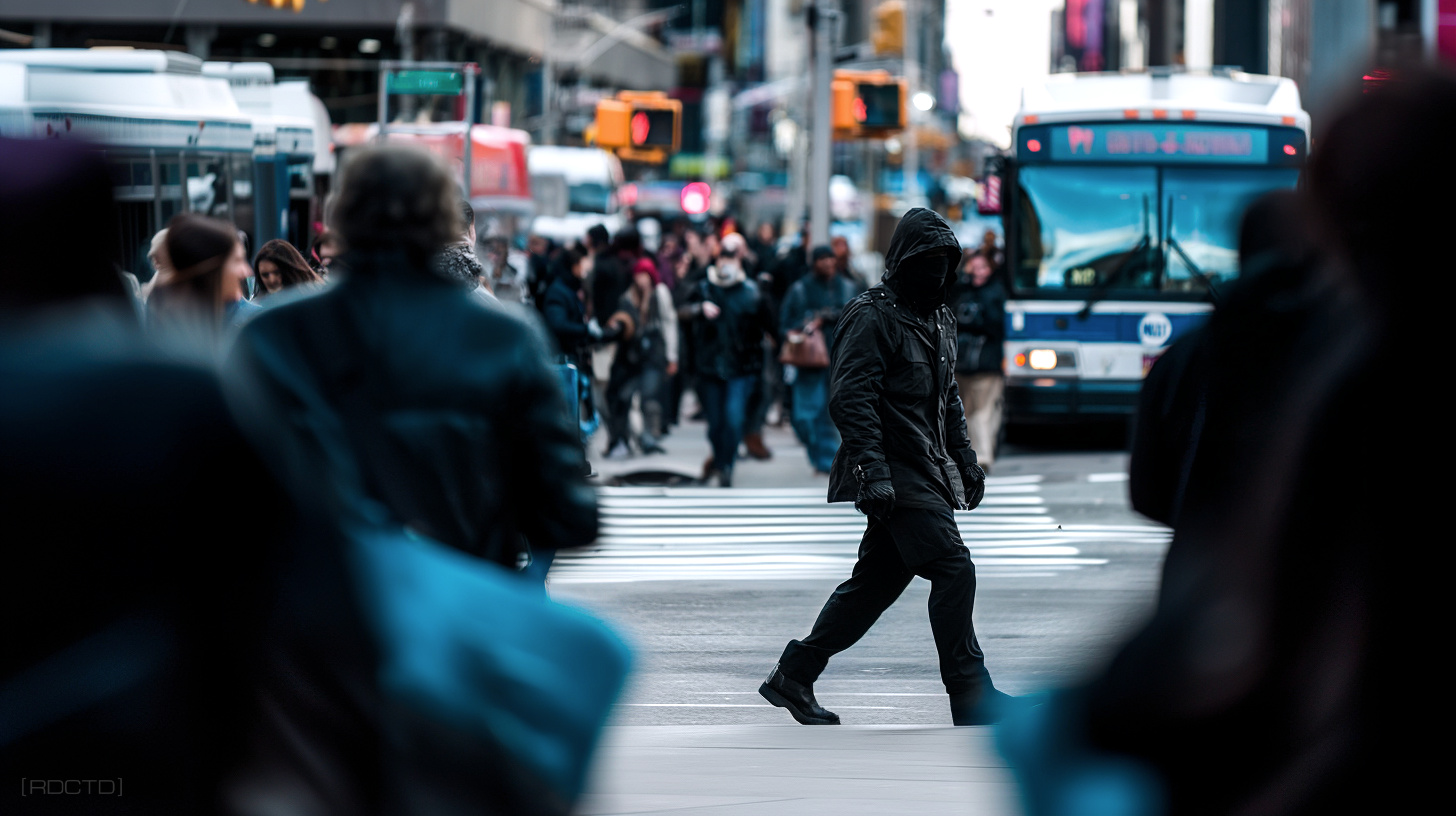
To make the profile complete, you track tempo features and friction responses. Route-echo is geometry, timing, and pressure management.
These variables are hard to fake, and they tend to hold steady when the subject is tired, distracted, or moving fast.
Tempo Features (how they meter time)
Tempo is the subject’s baseline movement rhythm – cadence, stride-length variability, and how quickly they accelerate after interruptions. Watch whether their pace is smooth and even, or pulse-like (surge → coast → surge). Note what happens in open space – do they lengthen stride and speed up, or slow down as exposure increases?
Micro-Stops (where time leaks)
Log their micro-stops – phone checks, window glances, shoe adjustments, “fake” pauses to re-orient, or any habitual half-second stall that shows up at corners and entrances. Pay attention to placement – some people only pause at cover (storefront edge), while others stop in the open like they don’t register exposure. Consistent pause placement is a tell, and it’s highly repeatable.
Friction Responses (how they solve resistance)
Friction is what happens when the environment pushes back – crowds, chokepoints, slow walkers, doorways, curb cuts, escalators, and intersecting foot traffic. Watch whether they yield early, shoulder through, or arc wide to preserve momentum. Track whether they “pay time” (slow, wait, re-route) or “pay exposure” (step out to the curb, cross a wider lane) to solve the same problem.
Obstacle Routing (inside vs outside)
Clustered obstacles – strollers, tourist knots, vendor spillover – force quick choices that reveal preference. Note whether they cut inside (storefront), outside (curb), or thread the seam, and whether they choose the same solution even when the obstacle type changes. This is one of the cleanest ways to confirm the signature on a new street.
Node Behavior (forced choices under compression)
Nodes are transit entrances, crosswalk buttons, revolving doors, turnstiles, stairwells, and any portal where options collapse into two or three lanes. This is where the echo becomes loud, because the environment forces selection and exposes preference. Record which portal they favor, how they stage (tight to wall vs floating), how fast they commit, and what triggers hesitation.
Think of tempo and friction as the “fingerprints” inside the route. Streets change, crowds change, and a subject can deliberately vary destinations. But their timing habits and pressure responses are harder to mask.
When you see the same cadence shifts, micro-stop placement, and obstacle solutions repeating, you can start calling the next move before it happens.
Watch entry behavior, not mid-route behavior. How someone enters a block, plaza, or corridor is usually more diagnostic than how they move once committed.
[ DETECTION ]
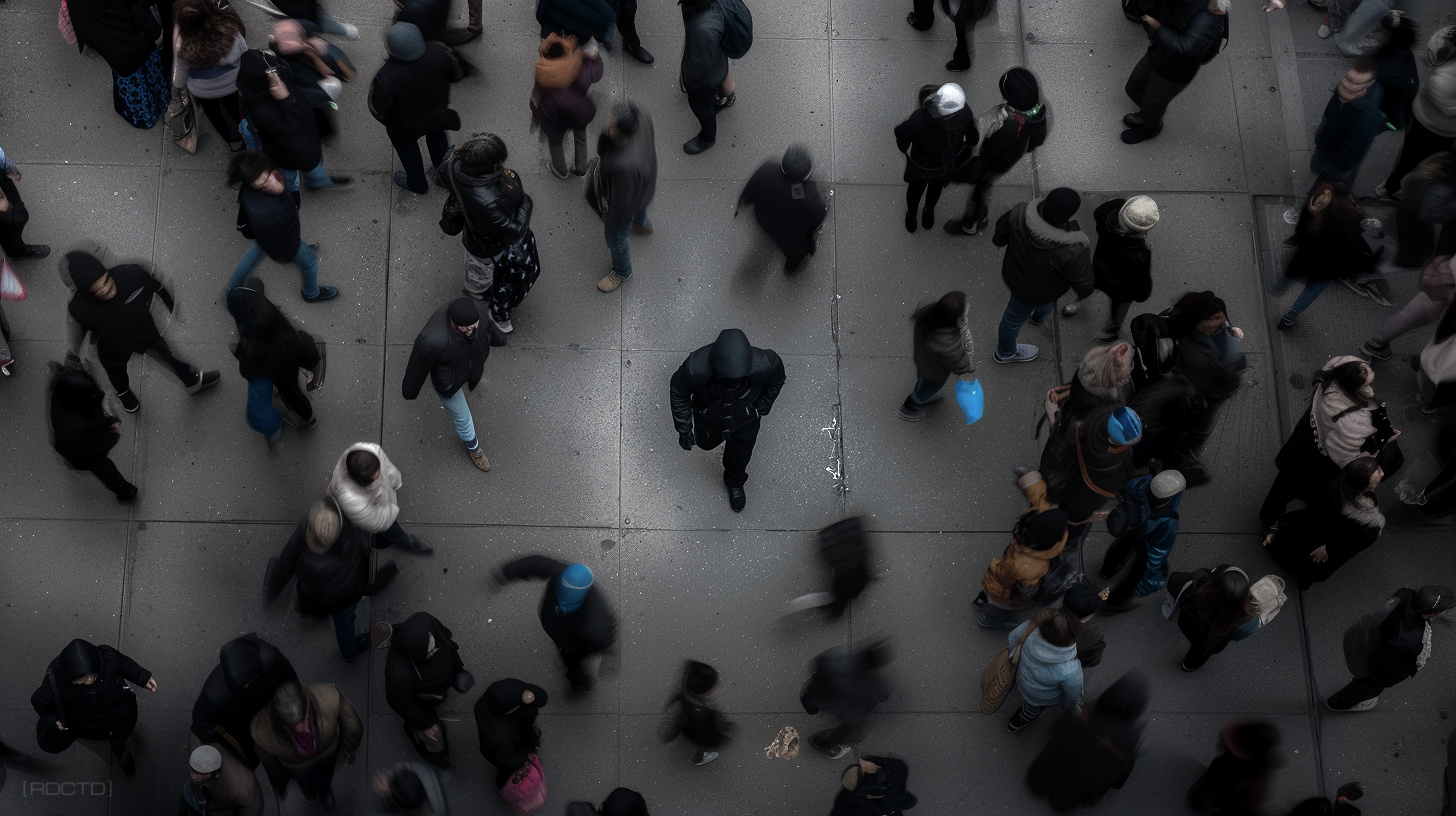
For counter-surveillance detection, manage route-echo as pattern-of-life analysis. The objective is to build a tight, testable profile from what the target person reliably does under routine conditions – then confirm it when the environment changes.
If the features survive new streets, different crowd density, and mild time pressure, you’re potentially looking at a real signature that’s actionable.
Methodology //
1) Define The Echo as a Feature Set

2) Log The Eight High-Yield Features
3) Verify Across Contexts
4) Use the Features to Make Short-Range Predictions
A map isn’t required first, just repeatable micro-choices that survive new scenarios. Then route becomes a consequence of the signature – meaning you can anticipate movement, spot anomalies, and notice when something has changed enough to matter.
Use negative confirmation as well as positive confirmation. Log when a subject doesn’t follow their usual pattern, then check whether context truly constrained choice or whether the signature is degrading.
[ DECISION POINTS ]
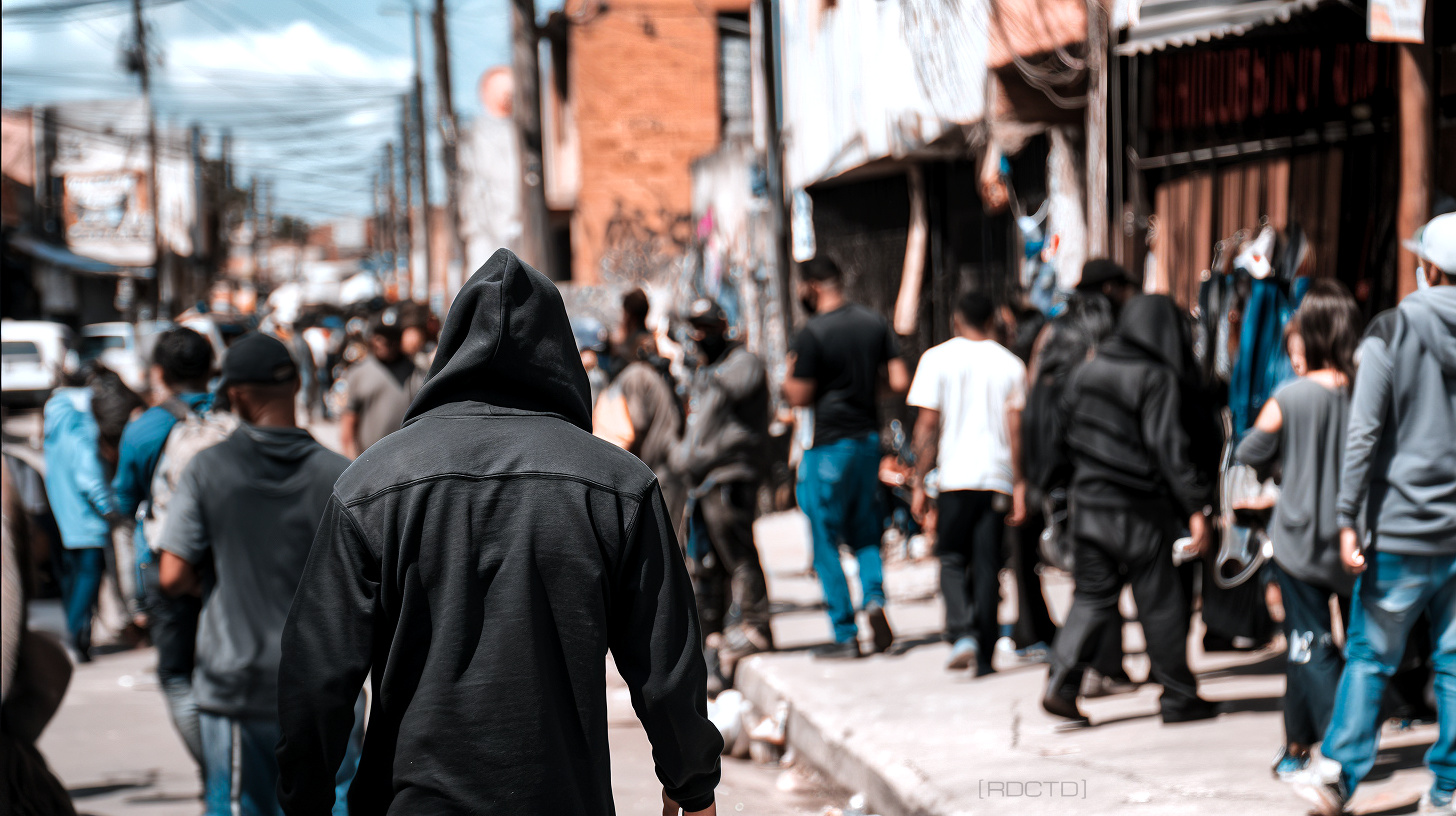
A method to spot the echo in yourself for counter-tracking is to watch for predictable “decision points.” These are corners, street-furniture constrictions, transit portals, and any place with two equivalent paths.
The key test is symmetry – when the options are roughly equal, whatever you pick is preference, not necessity.
People with a strong route-echo will choose the same type of path repeatedly, even when the specific street is new. Example: they’ll consistently pick the storefront side at corners, consistently avoid the center of a plaza, and consistently angle toward shade lines.
They’ll also show the same “node habits” – which staircase they take, which door they favor, which turnstile lane they drift toward, and whether they stage tight to cover or float in open space while waiting.
Track the why behind each choice (cover, speed, shade, visibility, crowd avoidance), that motive is what transfers across streets and cities. If you can call your own choice two seconds before you make it, your echo’s strong.
Use observation windows as sampling intervals. Short, repeated samples across different conditions beat long continuous observation, which increases observer bias and confirmation drift.
[ PREDICTION ]
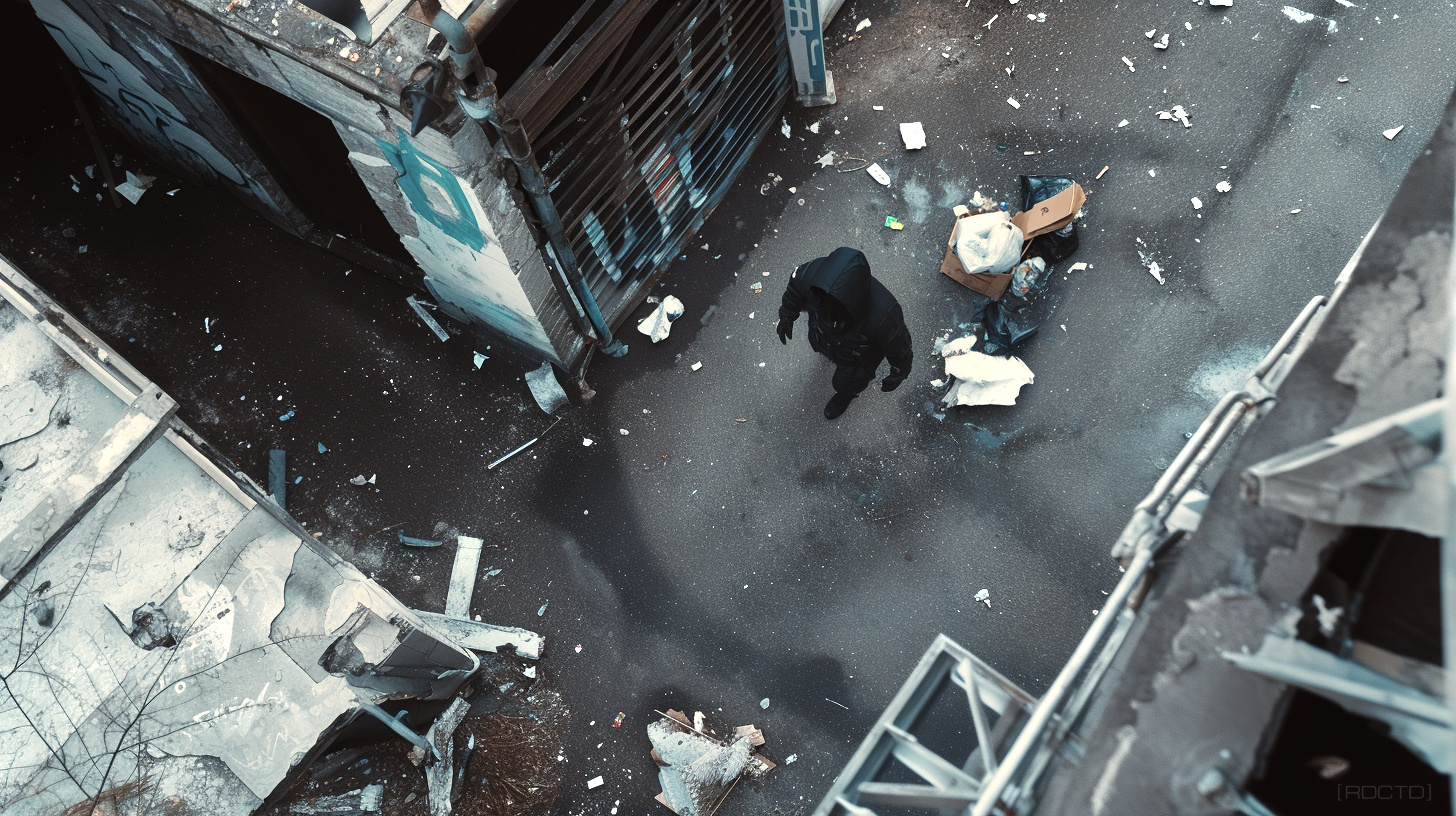
Route-echo “prediction” doesn’t work like intuition theater. It’s a probabilistic call built from the last few observed primitives, stacked like a running model.
You’re assigning odds based on what the person has already shown you they prefer when options are roughly equal.
Call Protocol (primitives → probabilities)

Exposure Avoidance
Defensive Takeaway
The practical implication is restraint. You don’t need perfect visibility or long-duration tracking to make this work – only enough clean observations to weight the next decision. When the model starts predicting correctly at multiple decision points, you shift from watching to managing risk.
Prioritize choice density over distance. A short route with many forced decisions yields more signal than a long, straight walk with few branches.
[ FINAL ]
For personal security, the fix is controlled variation that breaks inference while staying natural. Vary one primitive at a time so you don’t look erratic – swap edge bias for one block, change node selection once per commute, take the “wrong” escalator side, cross at a different phase, or use a parallel street for a segment. Insert planned micro-stops at non-diagnostic locations.
Use “purpose masking” – step to a storefront as if reading, then continue on a different line. The goal isn’t pure randomness, it’s to reduce repeatability at decision points so your route-echo loses predictive power.
// Escape begins the moment predictability ends.