![[RDCTD]](https://rdctd.pro/wp-content/uploads/RDCTD-Covert-Operative-Tradecraft-Guide-LOGO-tk.png)
![[RDCTD]](https://rdctd.pro/wp-content/uploads/RDCTD-Covert-Operative-Tradecraft-Guide-LOGO-mobile.png)

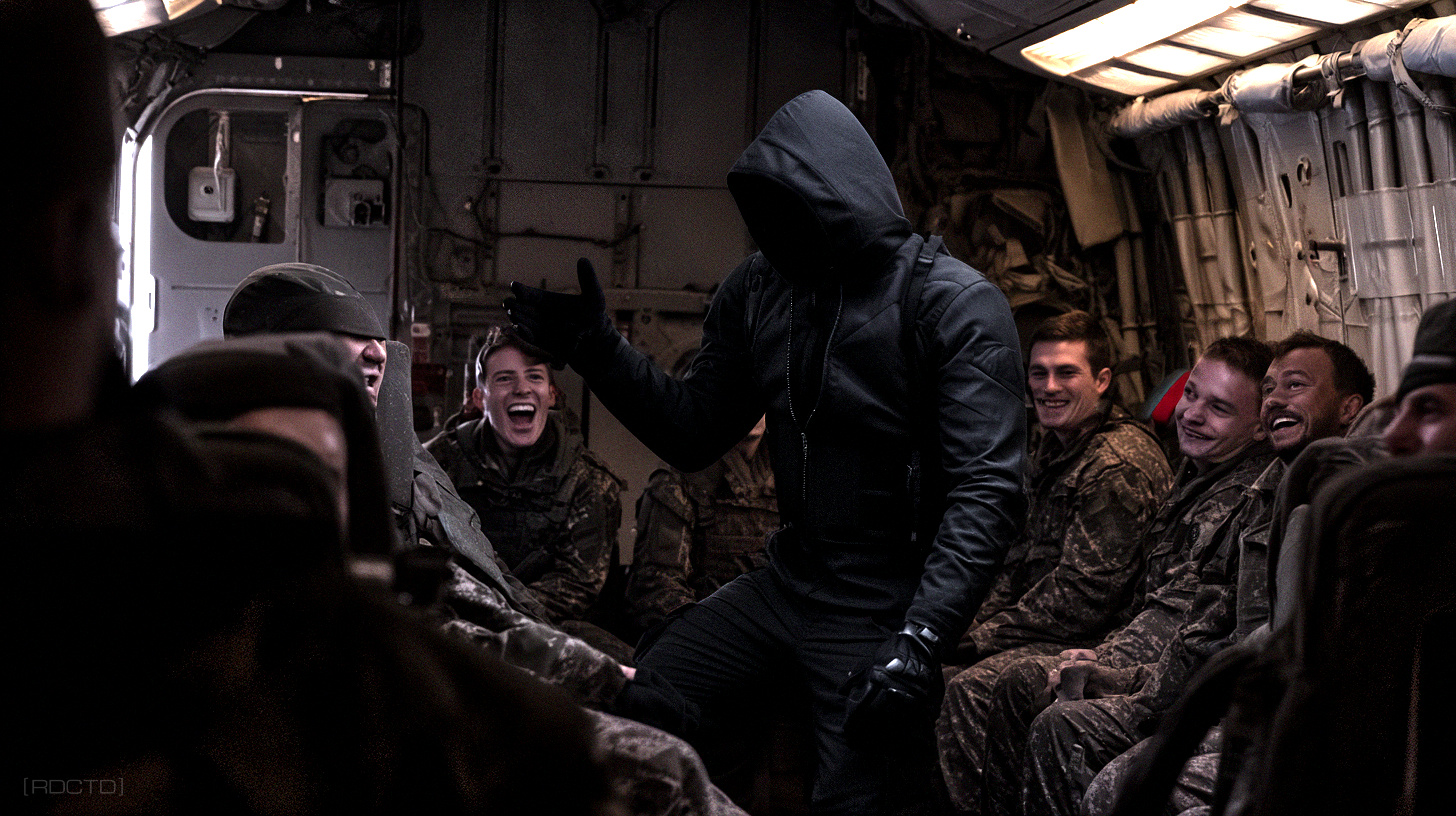
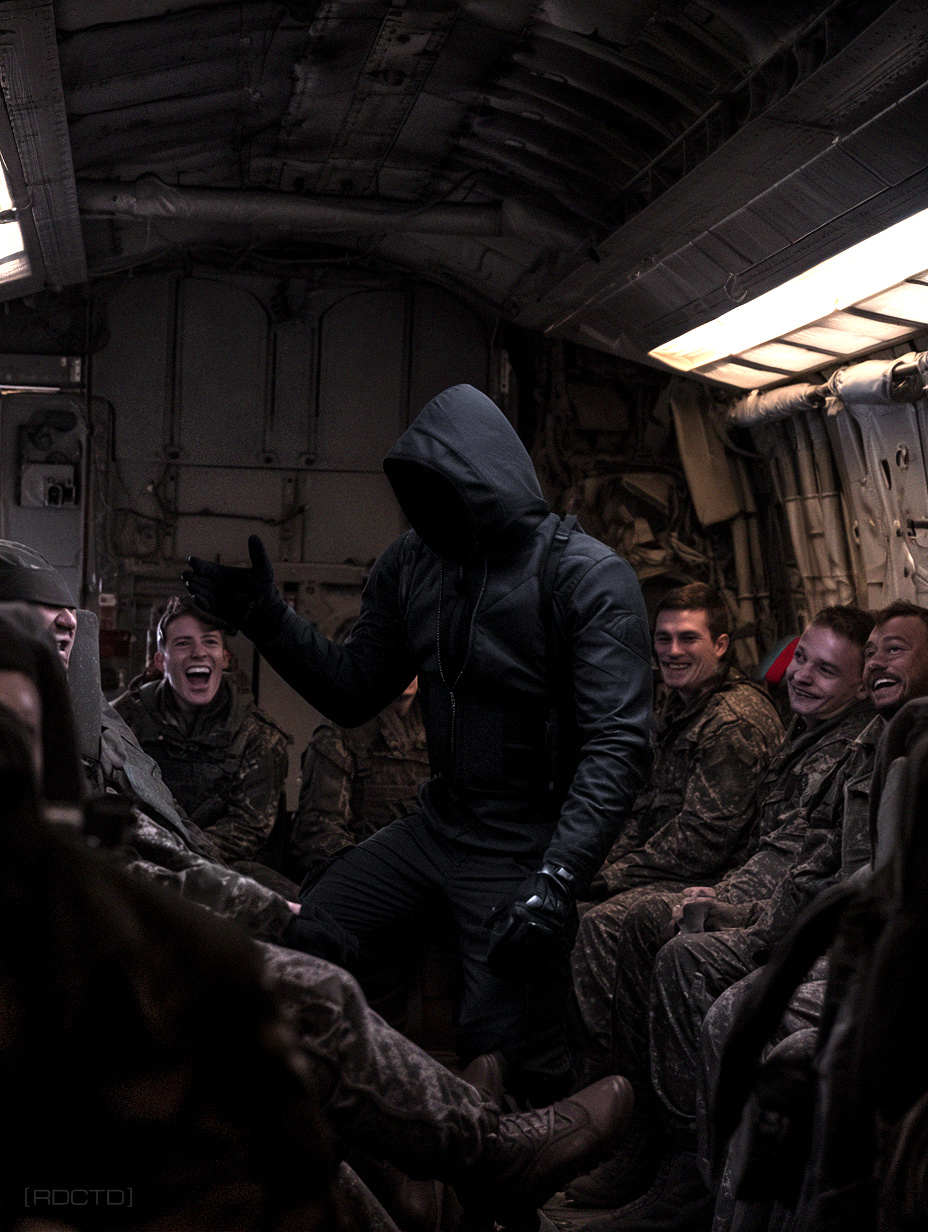 To “kill with kindness” is a tradecraft influence / manipulation method in which strategic civility is weaponized to lower defensiveness and increase compliance from an individual / group without overt escalation.
Keep your emotional range narrow. Volatility attracts scrutiny while controlled monotony can disappear into the background.
The controlled use of courtesy, restraint, and social composure to dominate an interaction without visible force. For a covert operative, this is as a technique, not a moral posture. The objective isn’t to appear nice as a means of self-display – it’s to reduce resistance, suppress the target’s defensive instincts, and create a permissive environment for influence.
This communication strategy is especially (or only) useful when direct pressure, overt authority, or confrontation would raise resistance, increase scrutiny, or compromise positional advantage. In those conditions, “killer kindness” is the superior option as it preserves deniability, maintains stability, and keeps influence operational without exposing intent.
With proper application, this “kindness” becomes a precision tool. It shapes perception, lowers friction, and obscures intent behind professionalism. An operative working “overtly” should view it as a form of low-signature control.
Use consistent phrasing across repeated contacts, since verbal consistency creates familiarity and familiarity lowers the cognitive cost of future access.
[ ASSESSMENT ]
For overt interactions, visibility creates immediate assessment pressure. People evaluate your legitimacy, your threat level, and your likely effect on their environment within seconds. “Killing with kindness” exploits that process.
Deliberate politeness makes you easier to categorize as safe, manageable, and procedurally normal. That classification is important as most people don’t resist what feels orderly and non-disruptive. The tactic is not casual emotional warmth but disciplined affect management expressed through measured tone, stable eye contact, neutral facial control, patient pacing, and language that protects the other person’s status while quietly directing their choices.
• Predictability lowers defensive activation. When your demeanor is orderly and consistent, most people stop treating you as a developing problem – reducing the chance that routine observation escalates into scrutiny.
• Status protection increases cooperation. People are easier to direct when they feel their role, authority, or competence isn’t being challenged. Measured politeness preserves status while lowering defensiveness.
• Affect control creates decision space. By regulating tone, pace, and facial discipline, you keep the interaction inside a narrow emotional band where the target is more likely to process, respond, and comply in procedural terms.
The aim is to get compliance without triggering resistance. This creates a narrow but useful window in which scrutiny drops before suspicion can fully organize. In that window, the operative can guide tempo, frame the interaction, and shape the target’s decisions with less friction.
What appears to be courtesy is, in practice, a form of behavioral control executed under socially acceptable and expected cover.
Place the decisive part of your request after a point of agreement. Compliance rises when action follows acknowledged common ground.
[ MECHANISM ]
The mechanism is straightforward because most types of human resistance is driven by perceived disrespect, uncertainty, or threat. Controlled courtesy reduces all three. It gives the target a face-saving path to cooperation while preserving your operational position.
The method of “killing them with kindness” works by lowering defensiveness or opposition without surrendering initiative. It can keep the interaction stable while placing you in a stronger position to direct the outcome.
Acknowledge
First, identify the target’s role, obstacle, or procedural burden. This establishes that you understand the environment they’re operating in and reduces the chance of immediate friction. Acknowledgment is not concession. It’s a controlled signal that you see the structure of the problem and aren’t going to challenge their status blindly. In practice, this makes the target more willing to remain engaged instead of becoming defensive.
Validate
Next, confirm the reality of their constraints without adopting them as your own. This gives the target psychological cover and preserves their sense of legitimacy. Validation matters because people resist less when they feel understood and procedurally respected. It also prevents the interaction from turning into a status contest. The point is to stabilize their emotional posture while keeping your own objective intact.
Steer
Once the interaction is stable, direct them toward the action you want. This is where courtesy becomes functional leverage. A simple line such as, “Understood. You’ve got procedures to follow. That’s clear. Show me the fastest correct way to resolve it,” shifts the burden of problem-solving onto them while keeping the exchange cooperative. The target begins assisting without feeling openly managed, which is what makes it effective.
That sequence works because it removes unnecessary conflict while preserving control of pace and direction. The target feels respected, but the interaction is still being shaped. What appears to be ordinary politeness is, in fact, a form of guided compliance under socially acceptable cover. The method doesn’t just reduce resistance, it can channel into cooperation.
Use the target’s own terminology as early as possible. Mirrored language reduces perceived distance without requiring artificial rapport.
[ APPLICATION ]
In overt work, “killing with kindness” has direct application in access negotiations, field interviews, conflict containment, liaison contact, and routine movement through controlled / denied environments.
A ‘courteous’ operative is potentially granted more informational leakage, more discretionary help, and more procedural flexibility than an abrasive or “normal” one. People reveal more when they don’t feel challenged. Gatekeepers bend less when pressured and more when respected. Witnesses become more talkative when they sense control without hostility.
Even in repeated exposure environments, strategic courtesy builds a useful reputation profile: professional, composed, charming, low-maintenance, predictable. That profile reduces scrutiny over time.
As per tradecraft, it lowers your signature while preserving your authority. It also conditions others to interpret your presence as administratively normal rather than operationally significant. Once that perception is established, resistance can shift from active screening to passive acceptance.
That transition gives the operative more freedom to observe, engage, and maneuver without generating avoidable resistance.
Use confirmation language sparingly and precisely. Excessive reassurance can signal insecurity while measured certainty often signals authority.
[ CONTROL ]
The critical point is that “killing with kindness” is not submission, passivity, or emotional exposure, but a controlled interpersonal posture used to direct behavior and shape outcomes. It’s a controlled presentation to manipulate.
Hard boundaries must be maintained beneath a soft surface. When tested, don’t drop politeness – tighten it and shorten your language. Remove unnecessary explanation. Keep the tone even and force the interaction onto decisions, procedures, and consequences. Courtesy should remain visible, but warmth can be reduced – control must remain uncompromised.
That shift signals that the social phase is ending and the compliance phase is beginning. People respond to this because they recognize, even if only intuitively, that they’re not dealing with someone they can push casually.
When resistance increases, reduce complexity instead of increasing persuasion, as overloaded people default to denial when they can’t process cleanly.
[ PROTOCOL ]
The correct way to apply “Killing with Kindness” is as a repeatable protocol. It should be managed as a deliberate sequence rather than a personality trait. Each step serves a distinct operational purpose and helps keep the interaction controlled, efficient, and deniable.
I. Define The Objective Before Contact


II. Control The Interaction During Contact
III. Assess The Outcome After Contact
For the professional, kindness is useful precisely because it appears harmless or even inviting. In practiced hands, it can be wielded like an instrument of control concealed inside normal social behavior.
Keep your visible effort level low. Urgency is contagious and composure can force the target to regulate downward.
[ FINAL ]
“Killing with kindness” is effective because it conceals control inside conduct that appears ordinary, professional, and socially pleasant. It lowers resistance without advertising intent, preserves maneuver space without open confrontation, and allows influence to be applied under minimal signature.
In tradecraft, it’s not to be liked but for being difficult to oppose without cause – turning civility into access, stability, and positional advantage.
// Civility doesn’t remove power from an interaction, it hides where power sits – guiding behavior without ever announcing command.
+ Covert Operative Kit [] gear shop »»
[INFO : The Persuasion Kill Chain]
[OPTICS : Operative w/ Enemy Soldiers]