![[RDCTD]](https://rdctd.pro/wp-content/uploads/RDCTD-Covert-Operative-Tradecraft-Guide-LOGO-tk.png)
![[RDCTD]](https://rdctd.pro/wp-content/uploads/RDCTD-Covert-Operative-Tradecraft-Guide-LOGO-mobile.png)

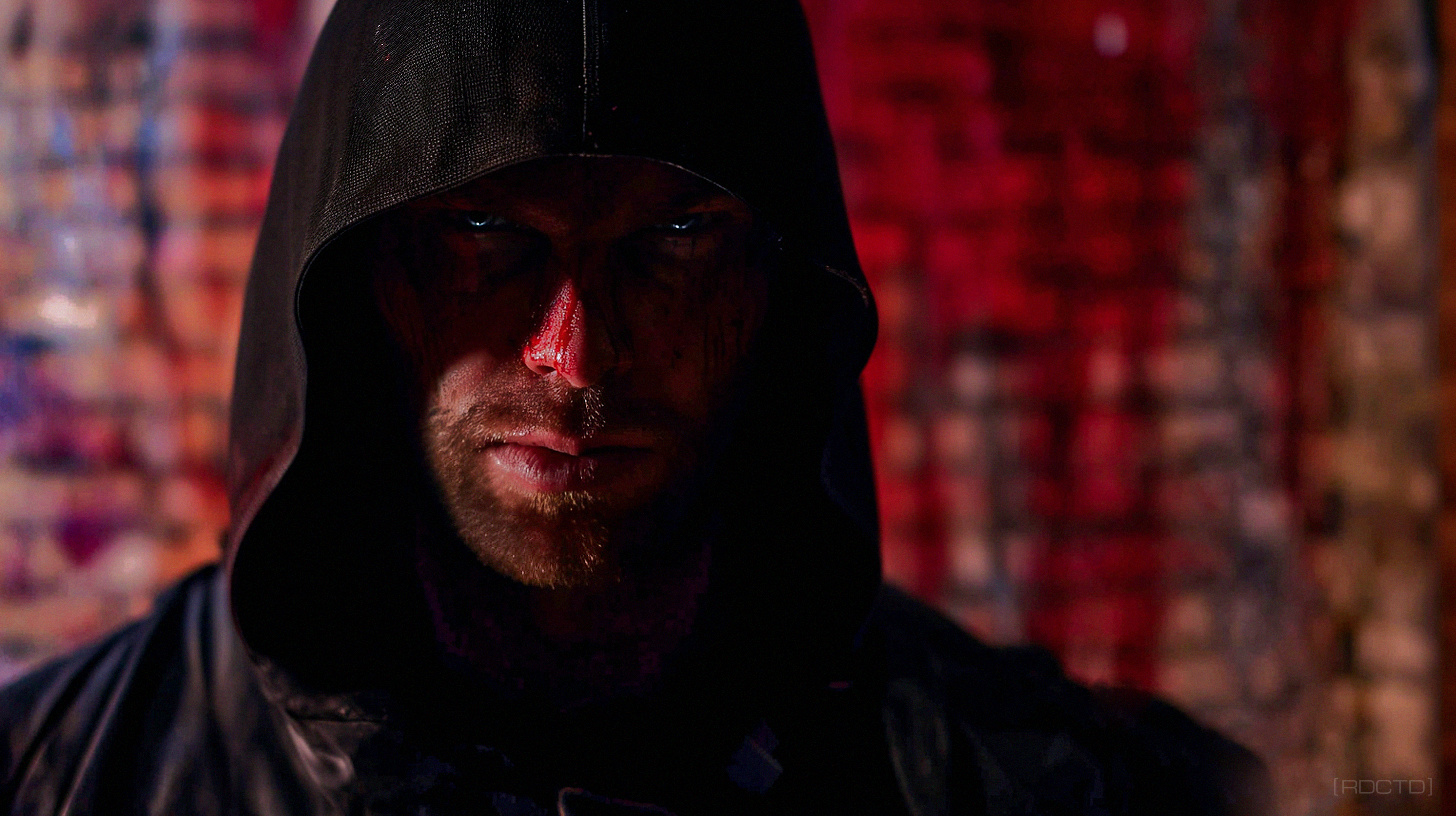
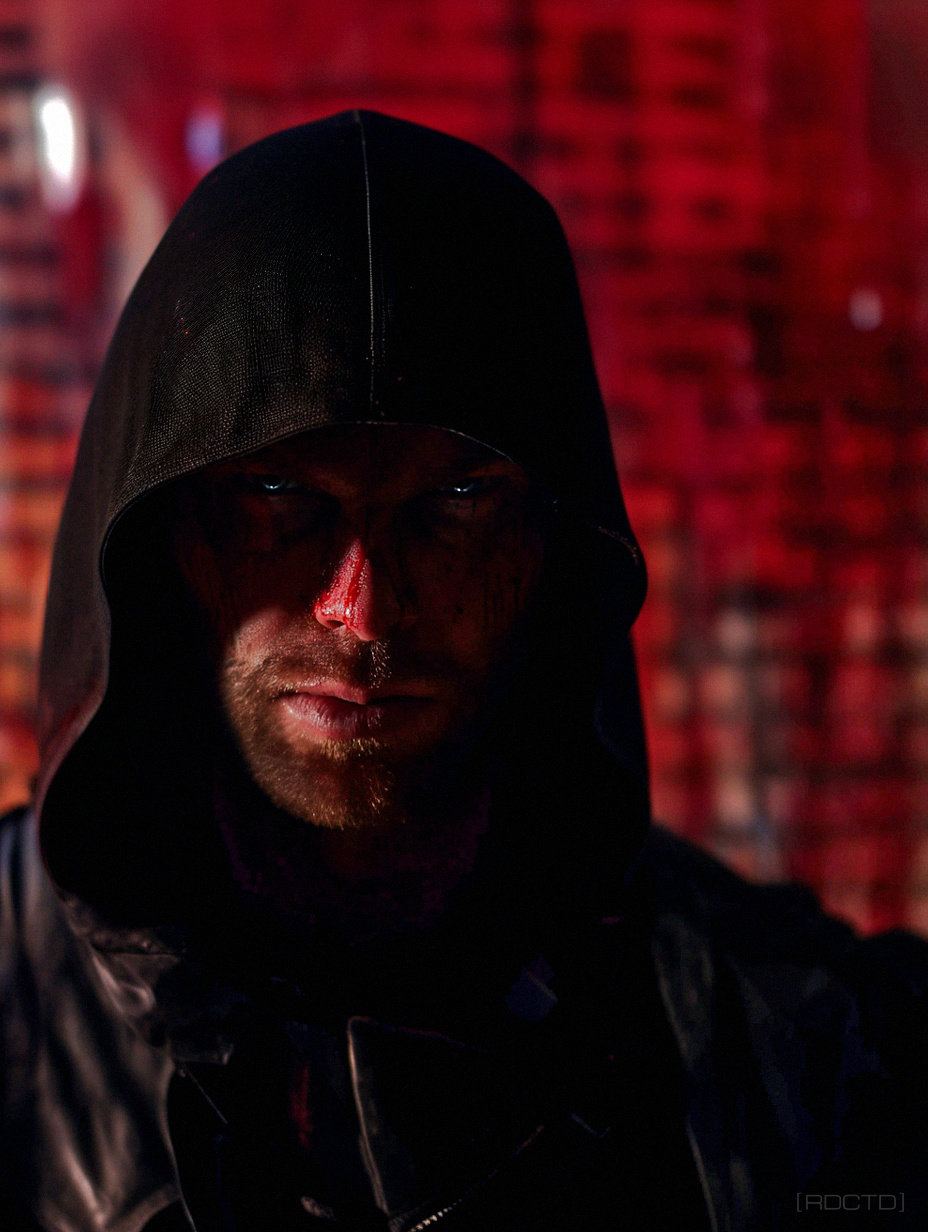 An ‘apex human predator’ has natural instincts and psychological wiring that gives them the ability to read, shape, and dominate human systems faster than other covert operatives can detect or adapt.
Apex isn’t aggression, it’s permissionless control.
An AHP is a shorthand model for an operative who consistently dominates the human terrain the way an apex predator dominates an ecosystem. They’re biologically advantaged and psychologically calibrated for repeatable advantage across the full cycle in the field of operations:
identifying targets, entering their space, shaping their perception, extracting what’s needed, and exiting without leaving usable signatures.
Their edge comes from compressing decision time while maintaining signature discipline, which forces others to react inside a reality they didn’t design. They also build unusually accurate human models fast (motives, routines, risk tolerance, stress behavior) then use it to predict and steer outcomes – specializing in identifying, isolating, and neutralizing opposing operatives.
Other operatives and relative professionals fear this type because the threat isn’t confined to a single skill domain. They feel dangerous in planning, in execution, and in the aftermath. They turn uncertainty into a weapon and make other professionals feel “seen” before contact ever occurs.
A predator reads the room. An apex predator writes the room.
[ DELTA ]
What separates an apex predator (operative) from a merely elite, highly trained operator is the difference between competence and native pattern control. Training produces proficiency under known rules.
The apex human predator has an instinctive grasp of rules as negotiable constraints and an uncommon ability to build internal models of people quickly: motives, habits, thresholds, ego needs, and fear responses.
An AHP doesn’t just run traditional tradecraft. They sense how the very concepts of tradecraft should bend, where it should stay rigid, and when it should be reeingineered. That “native” advantage shows up as earlier detection of weak signals – micro-variations in routine, stress leakage, and small inconsistencies that most professionals discard as noise.
They also harness tempo as a weapon – forcing counterparts to process too much, too fast, or too late, then capitalizing on the errors that follow. Their decision-making is fast without losing efficacy because their baseline orientation loop (observe–orient–decide–act) is exceedingly efficient, and they update assumptions aggressively instead of defending them.
APHs are comfortable operating with incomplete information, because they handle every move as a probe that generates new data and refines the model in real time. This creates an asymmetry, the apex human predator sees the opponent as a system with failure points – while the opponent perceives the AHP as an unpredictable problem they can’t stabilize.
An apex predator’s hallmark is that your best move becomes your worst tell.
[ SYSTEMS ]
Apex human predators convert instinct into systemic field advantage. It’s not necessarily “more skill”, but a tighter control of signals, faster adaptation under pressure, and better use of psychology as an operating surface. Deny the adversary clean data, shape the story they build from the data they do get, and force them to make moves you can anticipate.
Signature Discipline (Control of Observable Patterns)
These operatives operate with highly advanced exposure management. That means they manage every outward-facing pattern as a potential sensor input for an adversary. They reduce how much they “emit,” compartment what can’t be reduced, and randomize what must remain visible. Movement timing, communications cadence, purchase behavior, social rhythms, and even micro-habits get engineered so an opponent can’t build a stable baseline.

Adaptive Deception (Coherent Reality Under Stress)
The ability to construct a believable reality for the opponent and keep it internally consistent when pressure rises. Many skilled operatives can maintain a cover story. The apex human predator builds a whole operating environment that supports the cover – behavior, timing, emotional tone, and plausible constraints. They can shift narratives without “breaking frame,” because they understand what details must stay fixed and what details can flex.
Layer Management (Perception as a Stack)
The apex human predator doesn’t rely on one method or one explanation. They manage layers of perception like a stack: what the target thinks is happening, what the target suspects could be happening, and what the target refuses to consider because it feels too costly or implausible. Each layer is designed to absorb scrutiny without collapsing the whole structure. If the adversary probes, they hit a believable “answer” that resolves their curiosity.
Counter-Operative Effect (Forcing Misallocation and Error)
That layered control is why they’re effective when working directly against other operatives. They don’t just evade surveillance, they create false positives, encourage premature conclusions, and misdirect analytical effort toward decoy explanations that feel “proven.” They exploit standard operating procedures by shaping what the adversary thinks is worth escalating, watching, or reporting. The end-state is the enemy unable to stabilize a pattern, starts making compensatory moves that expose more signature.
These linked controls degrades the enemy’s confidence in their own read of the environment. Signature discipline starves them of clean pattern. Adaptive deception feeds them an alternative. Layer management keeps that alternative stable. The counter-operative effect is misallocation, hesitation, and forced errors, until they become predictable enough to manage.
Apex is when the opponent’s ‘options’ are just your funnels.
[ OUTPUTS ]
The “natural” edge in an apex human predator doesn’t present as theatrics or myth, but as better sensing, filtering, and timing. They absorb more usable data per second, discard less correctly, and commit to action with less internal friction. That’s why their tradecraft looks simple from the outside. They’re operating off a higher-quality internal picture, including when improvising.
High-Fidelity Perception (Weak Signals, Early Detection)
High-fidelity perception means they register weak signals before others decide those signals even exist. They pick up micro-changes in cadence, pacing, and breath control. They notice tiny routine fractures that indicate load, distraction, rehearsal, or external tasking. They track variance in attention—what a person keeps checking, what they avoid looking at, and what they over-control. They also catch information-protection behavior: verbal hedging, over-precise details, sudden topic shifts, “safe” anecdotes, and the subtle tightening that happens when someone guards a fact.
Social Sensing (Micro-Structure, Sans Vibes)
Their social sensing isn’t necessarily charm and certainly not mind-reading. It’s structural analysis of people in real time. They identify motivation drivers (status, safety, greed, belonging, control) and then watch how those drivers shape choices under pressure. They track ego needs and boundaries, because boundaries tell you where leverage lives. They read whether a person is acting from fear, pride, habit, or incentive, and they adjust tempo and tone to steer behavior without triggering resistance.
Environmental Systems Thinking (Terrain as a Machine)
They understand environments like a system engineer because they treat terrain as a network of constraints and flows. They map access control – who can enter, who can linger, who can ask questions, and what looks normal in that space. They identify social choke points – reception desks, elevators, queues, parking transitions, and anywhere humans must slow down and comply. They track digital exhaust – cameras, badges, Wi-Fi association, purchase timestamps, rideshare logs, and the quiet administrative trails that follow a body through a city.
Counter-Operative “Hunting” (Constraint Tells)
When working directly against other covert operatives, they hunt for constraints instead of “costumes”. They look for fatigue signatures – degraded patience, simplified routes, micro-sloppiness in timing, and a shrinking operational envelope. They watch logistical necessities – replenishment cycles, travel logic, lodging patterns, and when they have to touch infrastructure. They note tradecraft overuse, because professionals can become predictable when they rely on favorite methods. They also look for normalization moments (when an operative has to be a “normal person”) making small talk, waiting in line, dealing with service workers, or solving a mundane problem.
This is all traditional tradecraft, but it’s driven by an unusually accurate internal sensor suite and a low-friction decision engine. The apex human predator doesn’t win by doing more, but by seeing earlier, filtering better, and applying pressure at the exact point the opponent can’t conceal. That’s what makes them feel inevitable to other operatives: the environment stops being neutral, and starts acting like it’s on the apex predator’s side.
Apex is when your opponent’s instincts become your tools.
[ PSYCHE ]
This psychological profile isn’t a diagnosis or a cinematic stereotype. It’s a performance model for why certain covert operatives are consistently harder to pressure, read, and destabilize. The apex human predator’s advantage comes from emotional control, intent discipline, and the ability to operate inside uncertainty without rushing to closure. That combination makes them dangerous to other operatives, because it denies the usual leverage points.
Controlled Predation
Psychologically, the apex predator operative is built around controlled predation: low reactivity, high intent, and stable affect under ambiguity. Low reactivity means fewer tells. It also means fewer impulse decisions when a plan bends. High intent means they choose a direction and keep pushing it, even when the environment tries to drag them into side fights.

Hypothesis Management
They can hold multiple competing hypotheses without emotional attachment and still act decisively: parallel thinking without bias. They don’t “fall in love” with the first explanation that feels clean. They keep a primary read, a secondary read, and a contingency read running at the same time. That lets them pivot fast when new information arrives, without ego injury.
‘Need’ Suppression
Fear, guilt, and ego don’t drive the steering wheel, which means they don’t telegraph need: ego discipline and information control. They don’t over-explain or rush for validation. They don’t posture to win a room. In practice, that reduces predictability, because most professionals leak pressure through micro-compensation – over-control, over-confidence, or unnecessary action.
Asymmetry Comfort
They’re comfortable with strategic imbalance: winning indirectly, delaying gratification, and letting the opponent “win” a small narrative to secure a larger positional advantage. They’ll trade optics for position. They’ll accept short-term ambiguity if it creates long-term control. This is where they feel predatory to peer adversaries – they don’t need the immediate win, so they’re willing to shape the battlefield slowly until the opponent’s options narrow.
Selective Empathy
Importantly, this isn’t psychopathy by default. The defining trait is selective empathy (understanding without absorption): they can understand another person’s internal state clearly while keeping their own boundaries intact, and they can turn that understanding into influence. They can read fear, pride, shame, and craving without mirroring it. They can use empathy as a targeting tool – finding what matters to the person – without becoming emotionally entangled.
This build produces operational asymmetry that other operatives recognize. The apex human predator doesn’t give you clean emotional hooks, over-commit, and signal what they need next. They stay patient, keep intent, and shape outcomes through controlled pressure rather than reactive force. That’s why they’re feared – not because they’re “crazy,” but because they’re hard to manipulate, exhaust, and read while they’re reading you.
A predator looks for openings to take advantage of, an apex predator manufactures advantages without openings.
[ FINAL ]
Operationally, these apex predator operatives are valuable because they compress risk and expand options. They can operate with lighter support, improvise without eroding discipline, and transition between roles – collector, surveillant, handler, counter-operator – without obvious seams. When tasked against other operatives, they don’t just look for the person, they look for the system that keeps the person alive.
The “feared by other operatives” piece is the professional recognition that this type can beat you twice – first in the field through superior positioning, and then in analysis by leaving you a story you’ll want to believe.
// Apex behavior is logistics with intent.