


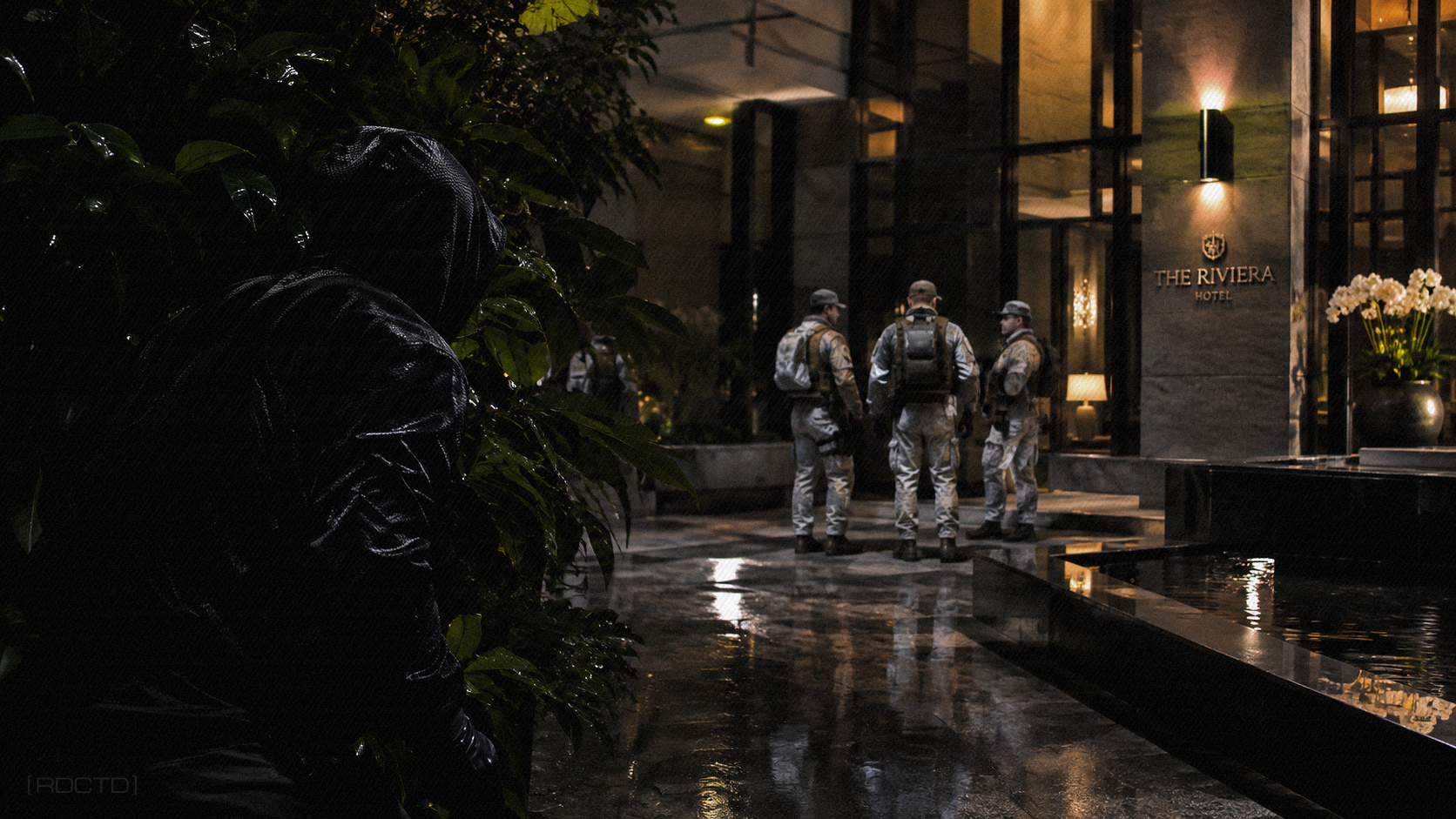
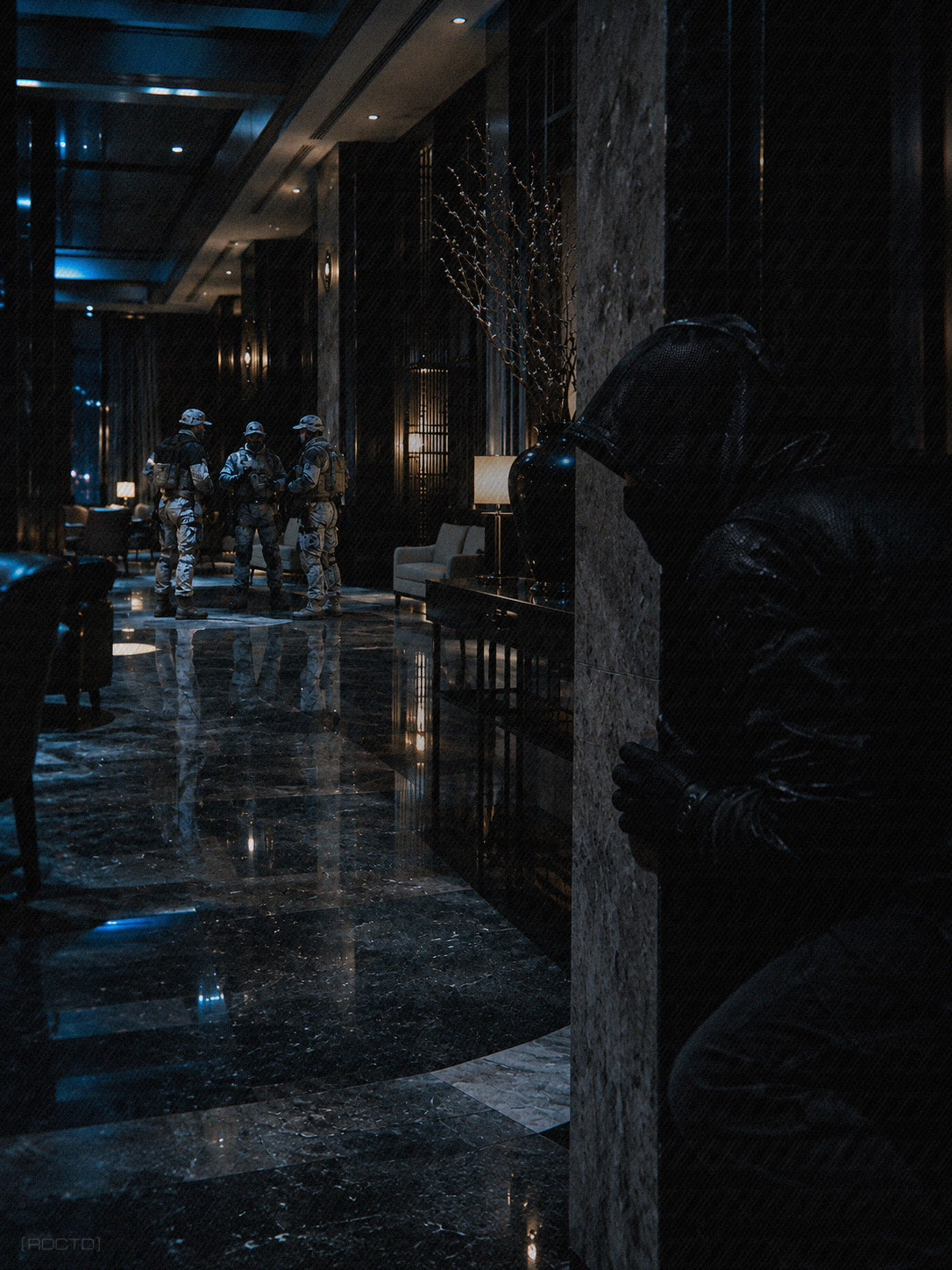
 Reducing your detectable signature so your presence passes through a space without being registered, then converting that unregistered proximity into a dominant position for close-quarters combatives.

Harness stealth like a blade, sharpen by shaving away excess until only the essential edge remains. Each subtraction tightens the aperture of detection until nothing leaks through.
Every covert operative is a signature before they’re a human, target, or threat. You emit light discipline, sound, silhouette, and pattern. An observer collects those four elements before they decide whether you matter. The tradecraft art of stealth is in controlling and denying the collection.
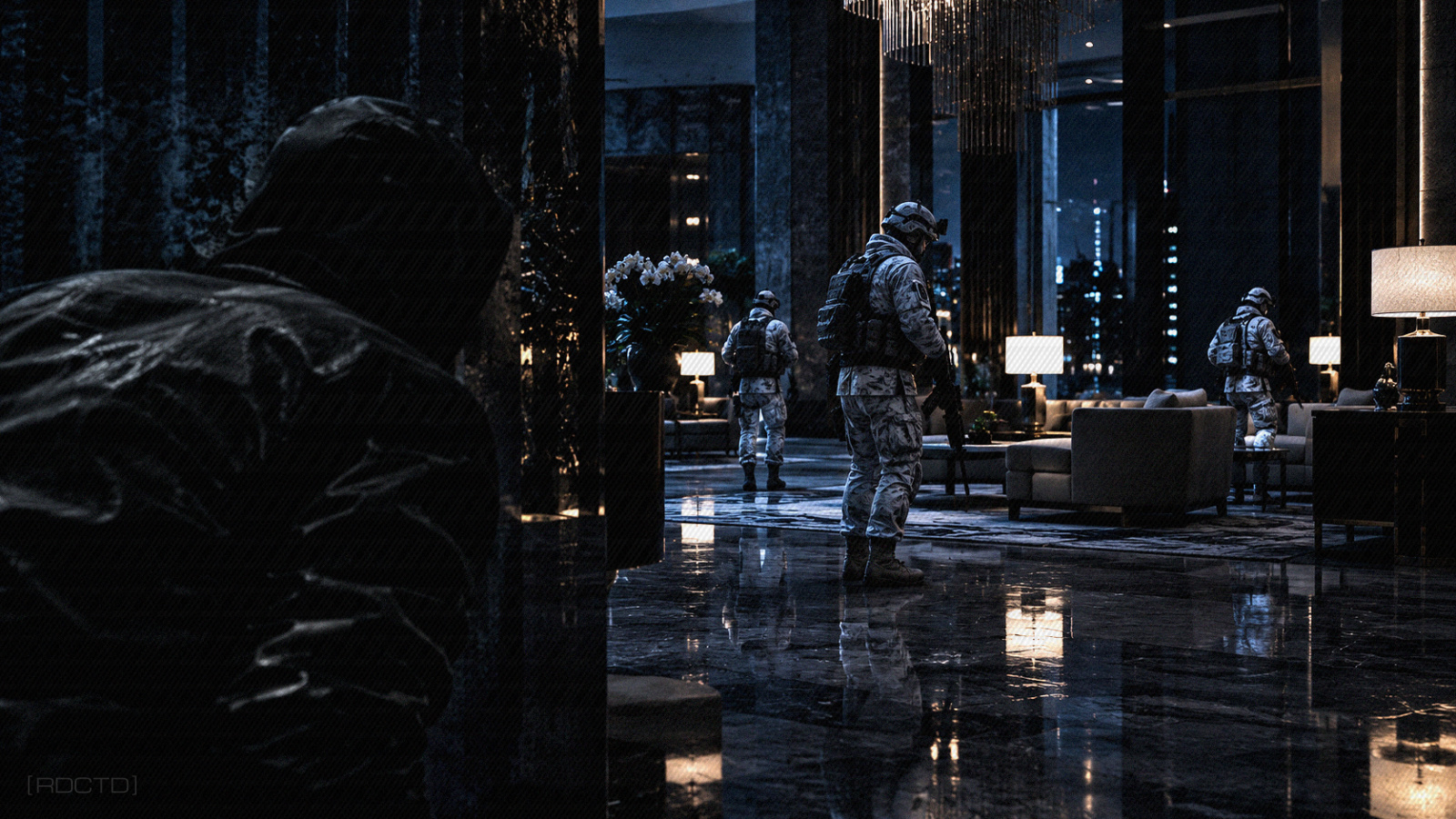
Nondescript appearance buys you tolerance, not actual invisibility. A forgettable face in the wrong silhouette, moving with the wrong rhythm, is still a mark.
Stealth operates below that layer – it’s the physical mechanics of not being perceived, existing for two general purposes: to reach / maintain a position of advantage unseen, and to deliver kinetic force from a distance / time the enemy hasn’t or couldn’t have accounted for.
An operative treats every environment as a sensor array. Ground announces weight, air carries breath and fabric, light draws an outline, and corners hold witnesses. None of it is hostile on its own – it becomes that way the moment you move through it without accounting for it.
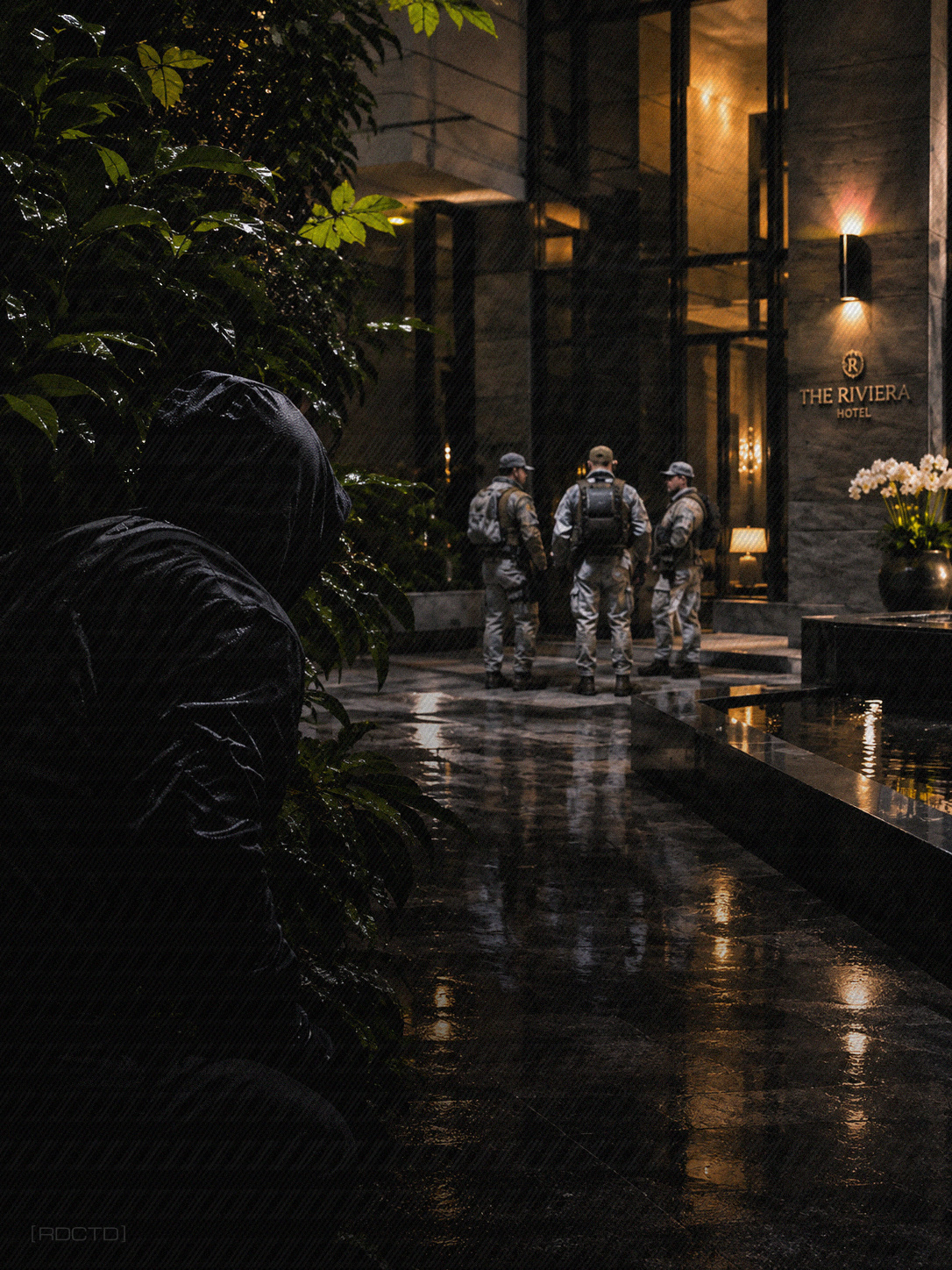
This is pre-contact tradecraft in its purest form. Its purpose is to remove the enemy’s warning time entirely, so that when contact does occur, it happens on your schedule and from your chosen angle. Stealth that doesn’t produce a tactical advantage is just slow walking.
Read the following as a system. Each component degrades independently and each failure compounds. There is no partial stealth in a room with a sentry.
Silence is a byproduct of economy, not of care. The operative who moves least, arrives quietest.
[ THE FOUR DETECTION VECTORS ]
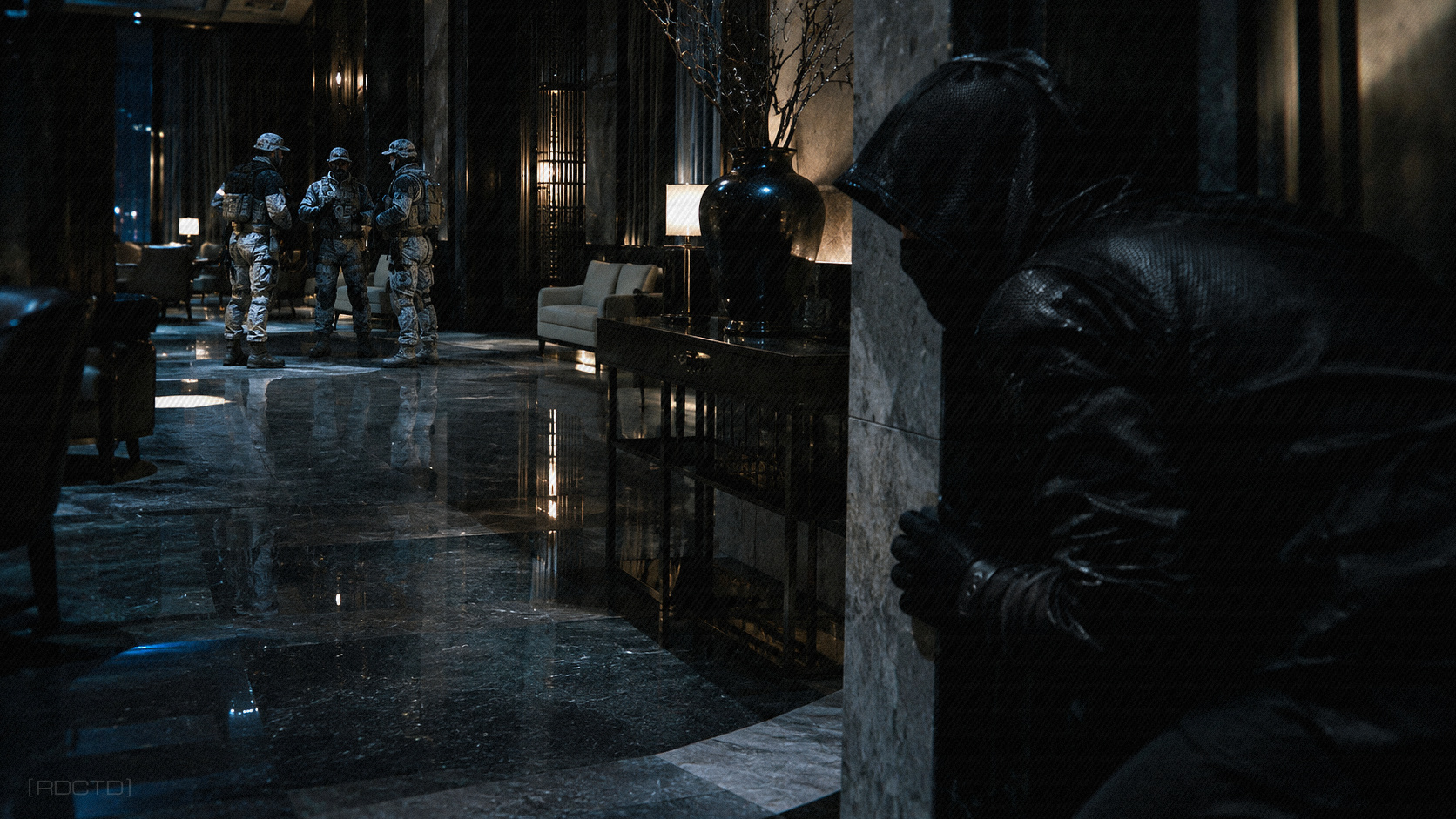
Four channels feed a human observer: movement, outline, sound, and pattern break. Address them in that order. Movement is the strongest – the eye is built to catch it, not to hold it. An outline is second because a still shape in the wrong place still reads. Sound confirms. Pattern break is what makes an observer look twice.
Apply this by stopping before you’re seen, not after, and by resolving your silhouette before resolving your pace.
- Movement — the primary trigger. Any displacement across an observer’s visual field can be caught peripherally. Cross open ground while the observer’s attention is committed elsewhere, or while light or noise masks you. Freeze is not safety, freeze only works while the observer’s scan is already moving past you.
- Outline — the human shape is the most recognizable form in nature. Break it: low posture, absorbed limbs, angled approach, and backlighting that eats your edges. Never present a full standing profile against a lighter background.
- Sound — carries further than most operatives believe and arrives from a direction, not a point. Ground surface, footwear, fabric, breath, and gear all report you. Every one is correctable before insertion.
- Pattern Break — the anomaly that doesn’t fit the environment. A figure crouched in a doorway on an empty street is a pattern break even when perfectly still. Suppress it by occupying what the environment already contains rather than inventing new positions.
Handle the first two before you move at all. An operative who solves sound and neglects outline is audible and visible. One who solves outline and neglects sound is invisible until the gravel.
Signature reduction is cumulative. Each suppressed vector buys time the next vector can use. Stop managing any single channel and the chain collapses back to the weakest link.
Under artificial light, approach along the boundary between lit and unlit ground. The eye adapts to the brighter field and loses the darker one at the edges.
[ SILHOUETTE AND POSTURE ]
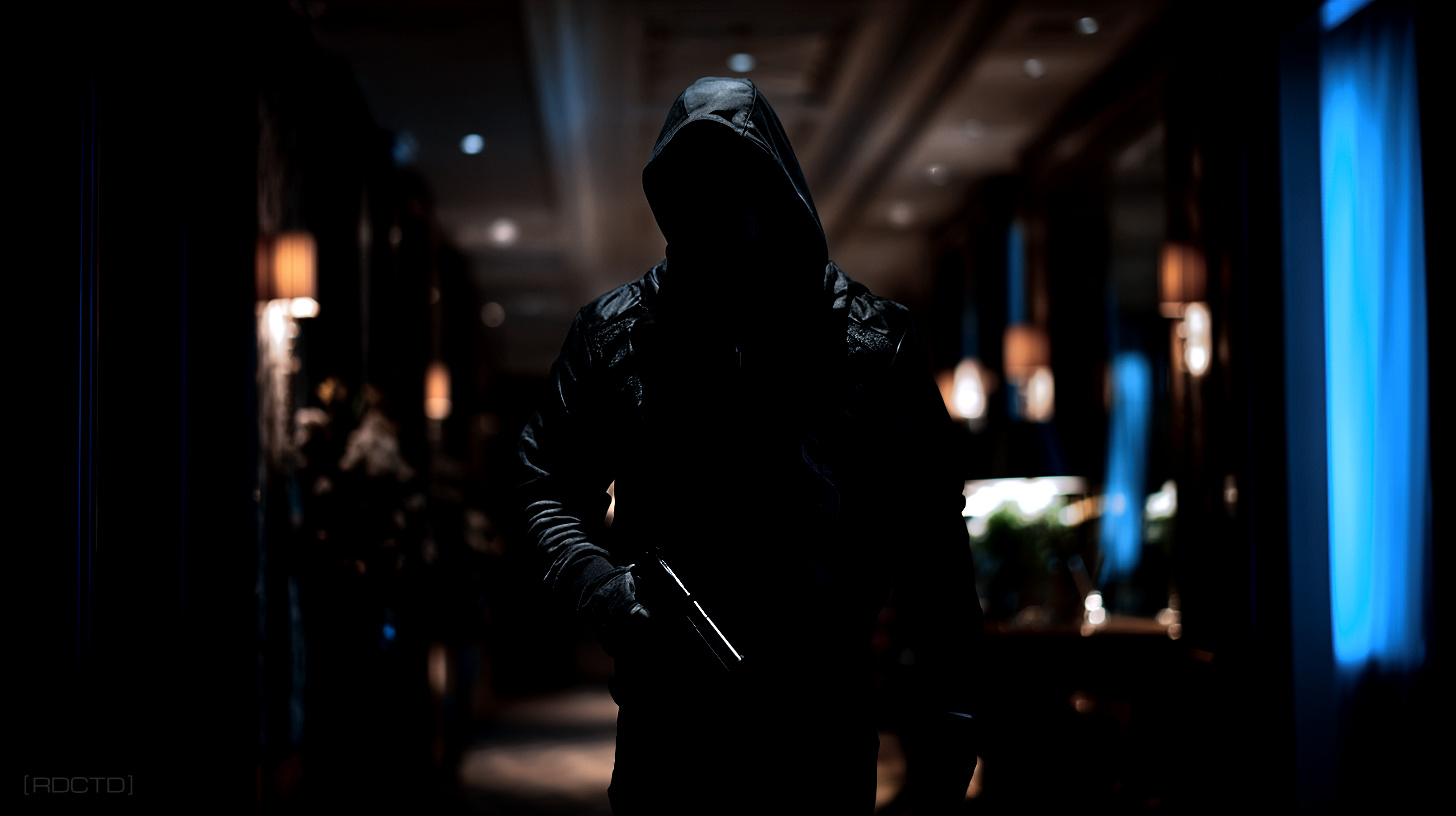
The standing human shape is a billboard. Reduce height, reduce width, and attach to vertical surfaces. Move in a crouch that keeps the spine long and the head below the top line of cover – not a bent-over shuffle that reads as a person sneaking.
Five corrections, applied in order:
Lower the Center Line
Maintain the shoulders, drop the hips. A lowered center of mass keeps the outline inside the cover’s profile and keeps the legs loaded for a burst. The taller the barrier you’re moving against, the lower you can stay without looking unnatural.
Collapse the Arms
Elbows in, forearms against the body, hands empty and closed. A swinging arm at hip height doubles your visible width and doubles your noise. The weapon hand stays free and stays low – never up at chest height where it breaks the line.
Take the Shadow, Avoid the Center
Occupy the dark edge of an opening rather than its middle. Cover works by what it hides, and the center of a gap is the most exposed part of it. Hug the frame, the wall, the vehicle flank. The environment is the weapon – use it as one or it uses you.
Angle the Shoulders
A bladed posture presents a third of the frontage of a square one and shortens the stride to something controllable. It also pre-loads the rear leg for the drive into contact.
Kill the Shine
Face, hands, watch crystal, phone glass, and any polished hardware all flash under a light source. Turn the watch inward, keep the phone dark, and keep the face out of direct beam. A single flash of reflected light travels further than your outline does.
// Low posture is not permanent. Rise to full height the moment you’re behind solid cover – a crouch held too long costs speed, of which is the thing that gets you through the final meters.
Test the ground surface with the toe before committing weight. Gravel, glass, and standing water announce you differently and each demands a different footfall.
[ MOVEMENT DISCIPLINE ]

Movement is the majority of the craft, everything else is preparation for it. The operative’s gait under stealth is slower, shorter, and more deliberate than the civilian walk – it’s built to distribute weight.

Condition for It
Stealth gait is a strength and mobility problem before it’s a technique issue. Calf endurance, ankle stability, hip control, and a tolerance for long holds in a low posture are the base. Condition the body for it or the technique fails under fatigue in the third minute. Train barefoot on hard floors first, the surface teaches the footfall.
Anything that hangs, rattles, or clinks must be secured or left behind. The operative’s kit is quiet before it is complete.
[ SOUND AND LIGHT DISCIPLINE ]

Sound and light are the two vectors most operatives fix in the wrong order. They’re also the two most correctable before insertion. Fix them at the staging point long before you’re on the ground.
Noise as Cover
A noisy environment can be used an asset, making it an obstacle to hostiles. Generate your own masking where the ambient level allows – a dropped object, a running tap, a door pushed to a stop (as supposed to eased shut). A manufactured sound is only useful if it doesn’t sound manufactured. Match it to what the space already does.
Doors produce some of the most recognizable sounds of a building. Learn which of the four handling methods the hinge demands before you touch the handle.
[ THE INVISIBLE APPROACH ]

Stealth exists to buy the action-reaction gap. Every meter closed unseen is a meter the enemy’s decision cycle hasn’t accounted for. The approach is the trade, the strike is the withdrawal of it.

Silence during contact is optimal when possible. A hard takedown on a hard floor is loud. If the objective requires the position more than the quiet, take the position and let the noise happen. Stealth serves the mission – it doesn’t govern it.
The withdrawal is still part of the approach. A silent entry followed by a loud exit has bought you nothing but a shorter fight.
[ BREAKING CONTACT AND RECOVERY ]
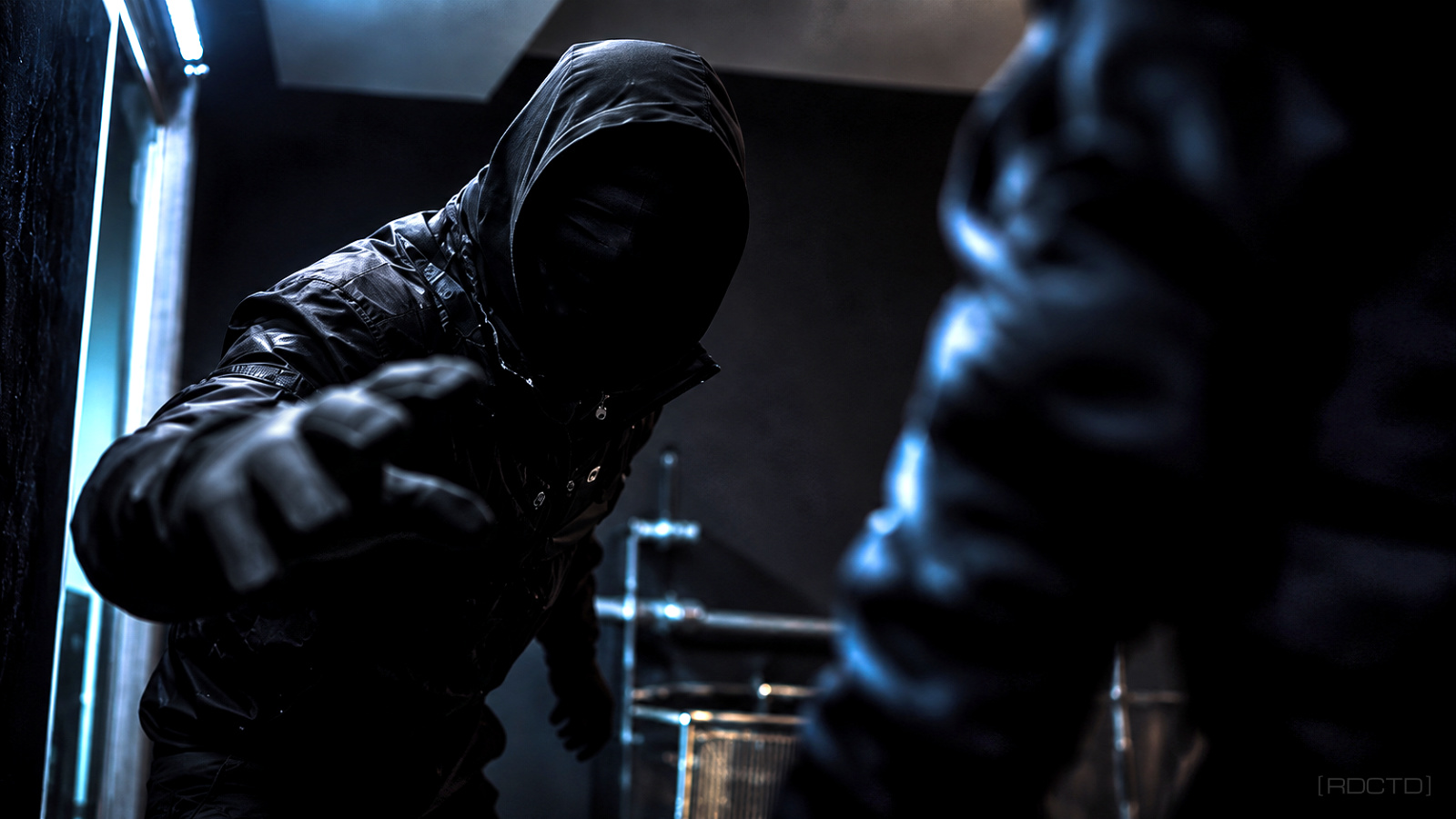
Disengagement is a stealth problem again the moment the violence stops. Take the first clean break, put cover between you and the position, and re-establish silence before you re-establish pace.
A recovered detection is a compression of the timeline. Everything you would have done in sequence now has to be done at once.
[ OPERATIONAL APPLICATION ]

Stealth is never abstract. It resolves against a specific surface, a specific light, and a specific observer. Reconnoiter the ground you’re about to cross and note the surfaces and the light before you commit to it.
Sentry Bypass
A static sentry owns a fixed arc. Map it before you enter the arc. Move on the far side of their turn, use the barrier between you and the arc, and cross the lit ground while their back is square. If the arc is short enough that you can’t complete the crossing inside one turn, split it – cover, halt, wait, continue. Never start a crossing you’ll have to hurry.
Interior Movement
Interiors give you walls and take your distance. Stay off the centerline of corridors, move wall-side on the hinge side of doors, and clear each threshold from the frame rather than the middle. Sound dominates indoors – the floor is an expansive problem. Reduce pace to what the surface demands even when it feels slow enough to be dangerous.
Stairwells and Vertical Structure
Stairs are a light trap and an echo chamber. Move on the outer edge where the tread flexes least, weight on the ball, hand on the rail to carry part of the load. Look up through the well before you take the first step and check the landing above before you take the last. Never look down at the treads.
Vehicle Approach
Approach from the rear quarter and stay off the window line until you’re at the panel. The vehicle is cover and it’s also a light reflector – the flank catches every streetlamp. Use the shadow side. Open the door to the first detent (avoid opening full swing), and close it with the palm flat on the frame, sans the handle.
Night and Transitional Light
Darkness is an ally only if you’re adapted to it. Give the eyes the time. Move on the dark side of every light pool, and treat the transition band at the edge of a lamp as the most useful ground in the scene – it’s where your outline dissolves. Never cross a lit field in a straight line. See street awareness in darkness.
Crowds and Transit
A crowd is mobile cover with its own noise floor. Enter it at the edge (no crossing) and travel with the flow. Use bodies on the threat side of your line, never between you and your exit. Break out of the flow only at a junction or a doorway where the change is unremarkable. See crowd cover and transit evasion.
The moment you’re noticed, the approach is now a clock. Every further step must pay for itself in position.
[ FAILURES ]
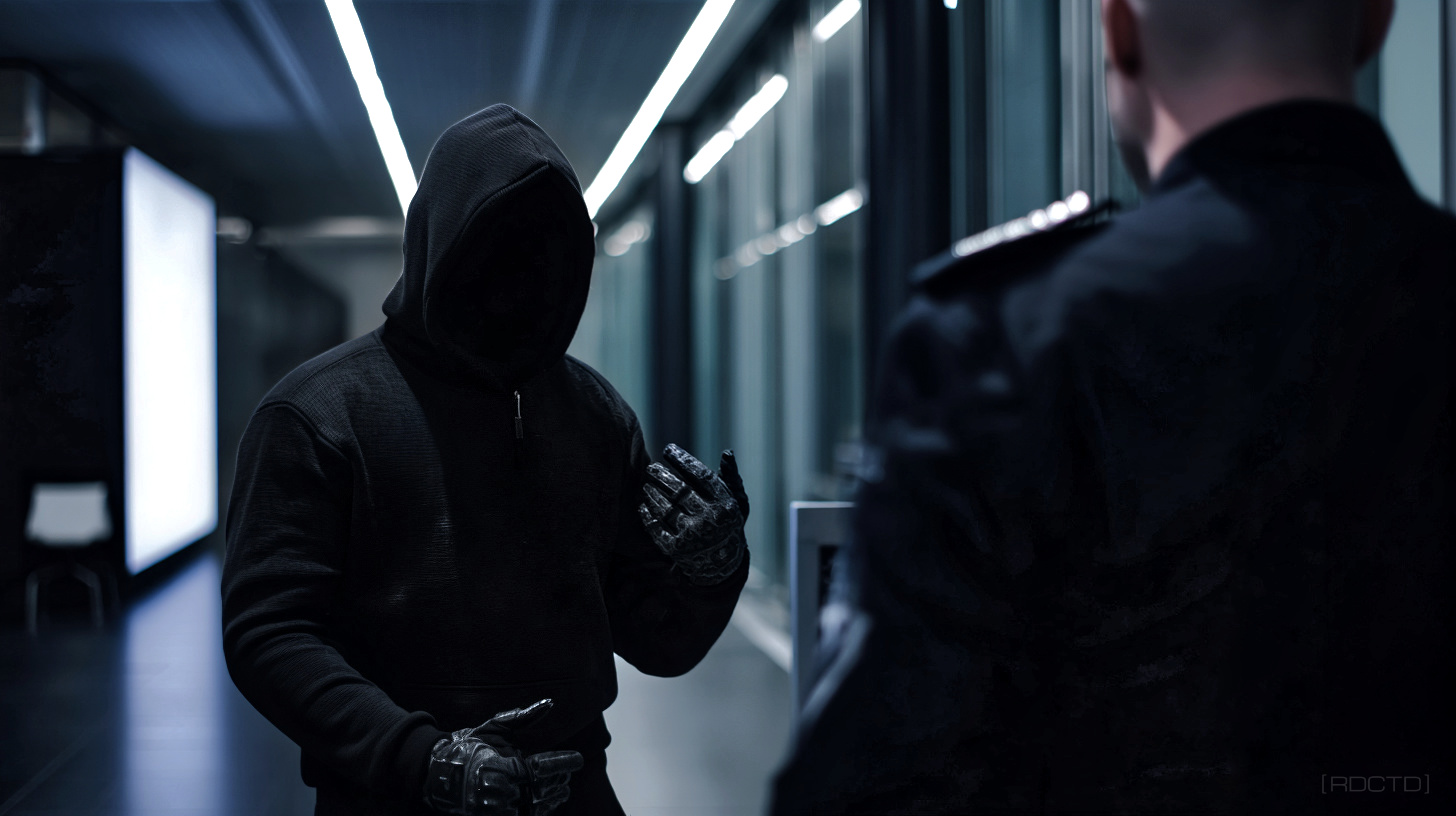
Stealth fails predictably. The failure is almost never in the technique but in the attention. Monitor it and correct before the mistake reaches the ground.
- Speed Creep — the pace drifts up as confidence rises. Sound climbs with it and the operative doesn’t notice until the gravel. Check the pace against the surface, forget against the schedule.
- Cover Fixation — moving to the nearest object instead of the object that blocks the observer’s line. Cover that doesn’t interrupt sight is furniture. Read what can potentially hide you.
- Silhouette at the Threshold — halting square in a doorway or window because the space beyond is unresolved. The threshold is the most visible line in the building – pause inside it.
- Premature Relief — relaxing the gait the instant the threat is out of sight. The observer’s scan comes back. Hold the discipline until you’re behind structure the light can’t reach.
A fourth failure deserves its own line: stealth used as an end rather than a means. An operative who stays slow because slow feels safe arrives at the target too late to matter. The measure is never how quietly you moved, but the position you held when contact started.
Re-test the ground surface the moment light, weather, or material changes underfoot.
[ FINAL ]
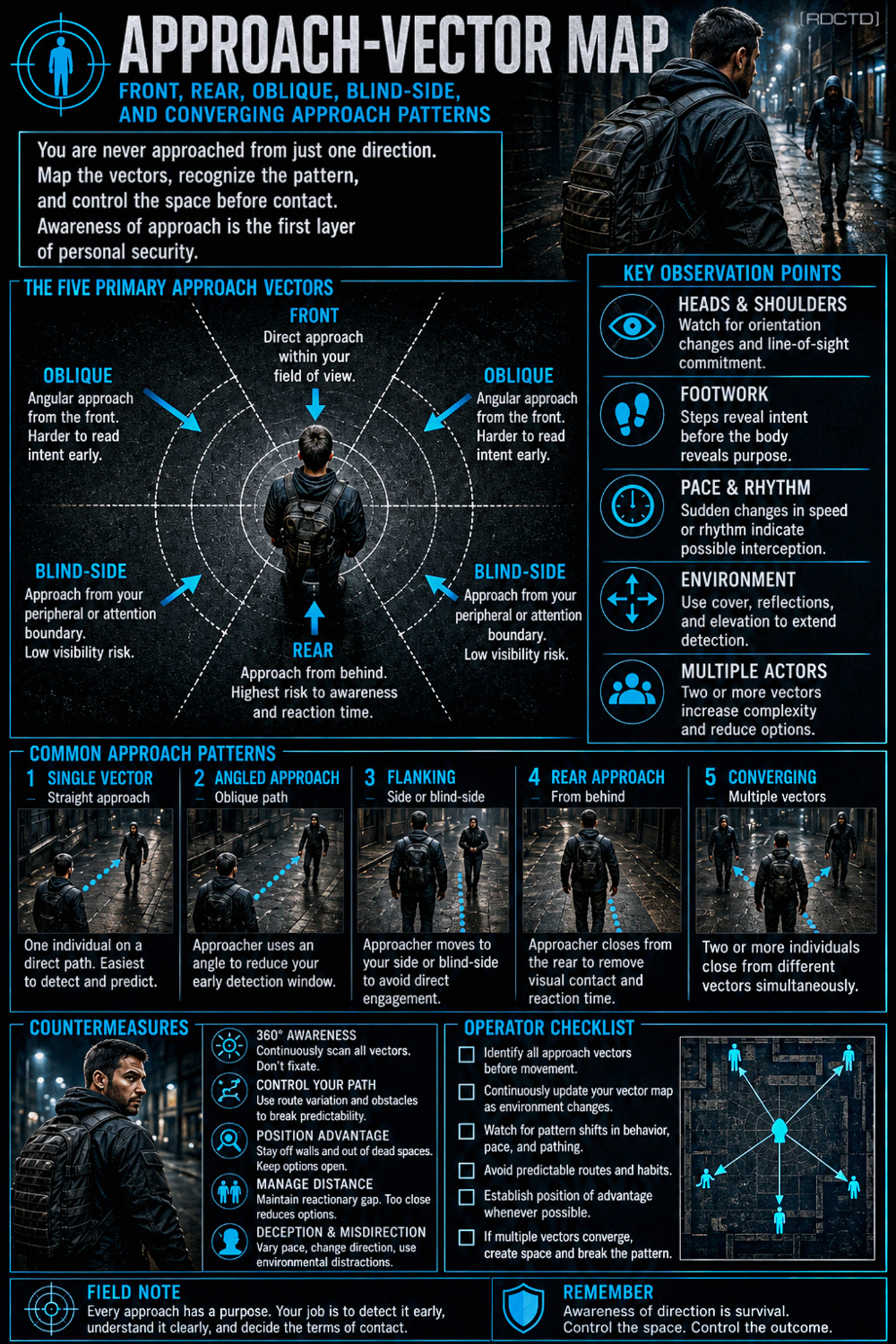
The art of stealth is the discipline of arriving where you were not expected to be, in a posture the enemy’s decision cycle never accounted for. Suppress the signature, take the shadow, time the noise, and spend the advantage the moment it exists. Stealth held too long is stealth wasted.
// Subtraction is the purest form of stealth.
+ Covert Operative Kit [ ] gear shop »»
[TAG : The Art of Stealth]