![[RDCTD]](https://rdctd.pro/wp-content/uploads/RDCTD-Covert-Operative-Tradecraft-Guide-LOGO-tk.png)
![[RDCTD]](https://rdctd.pro/wp-content/uploads/RDCTD-Covert-Operative-Tradecraft-Guide-LOGO-mobile.png)

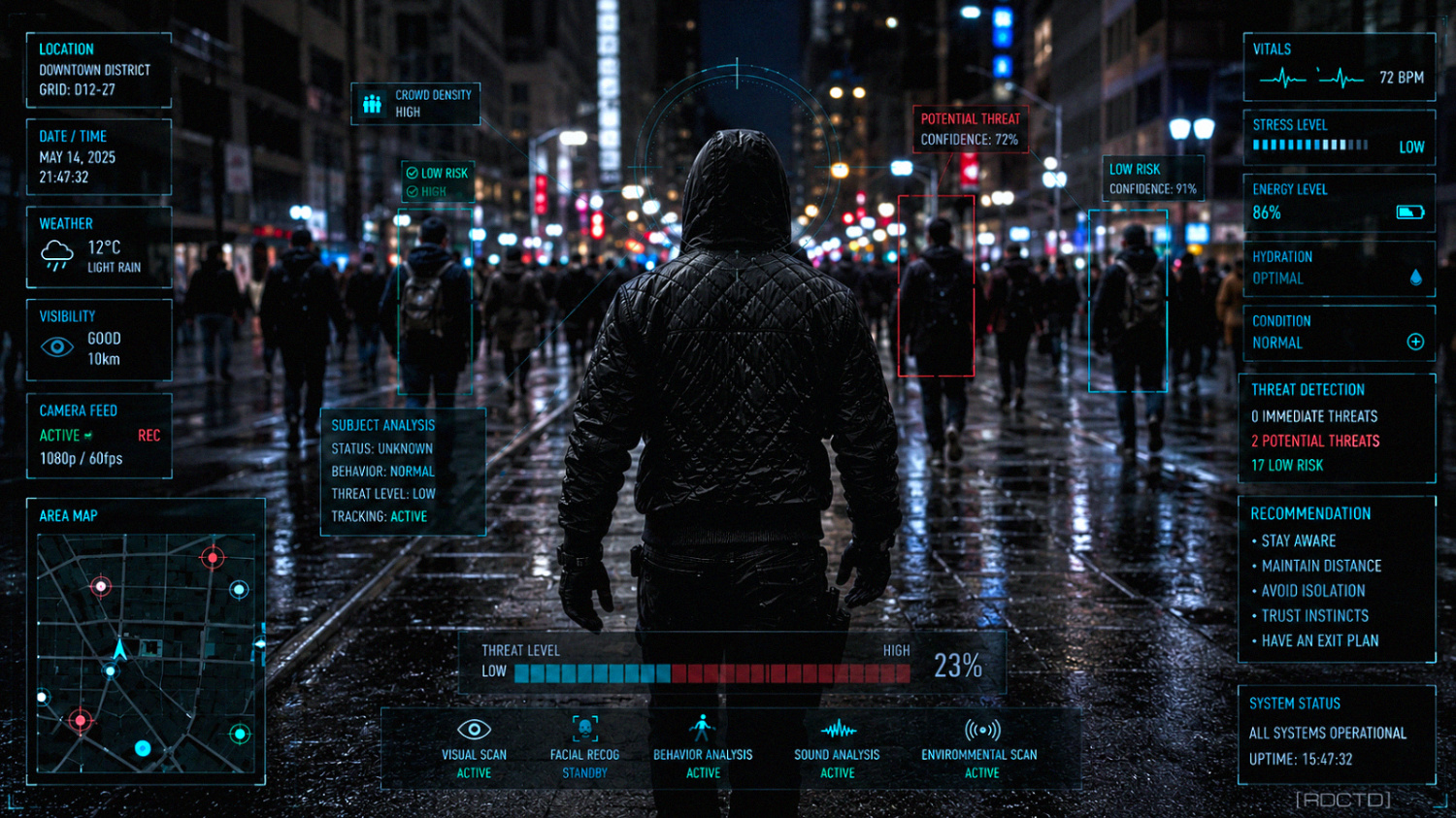
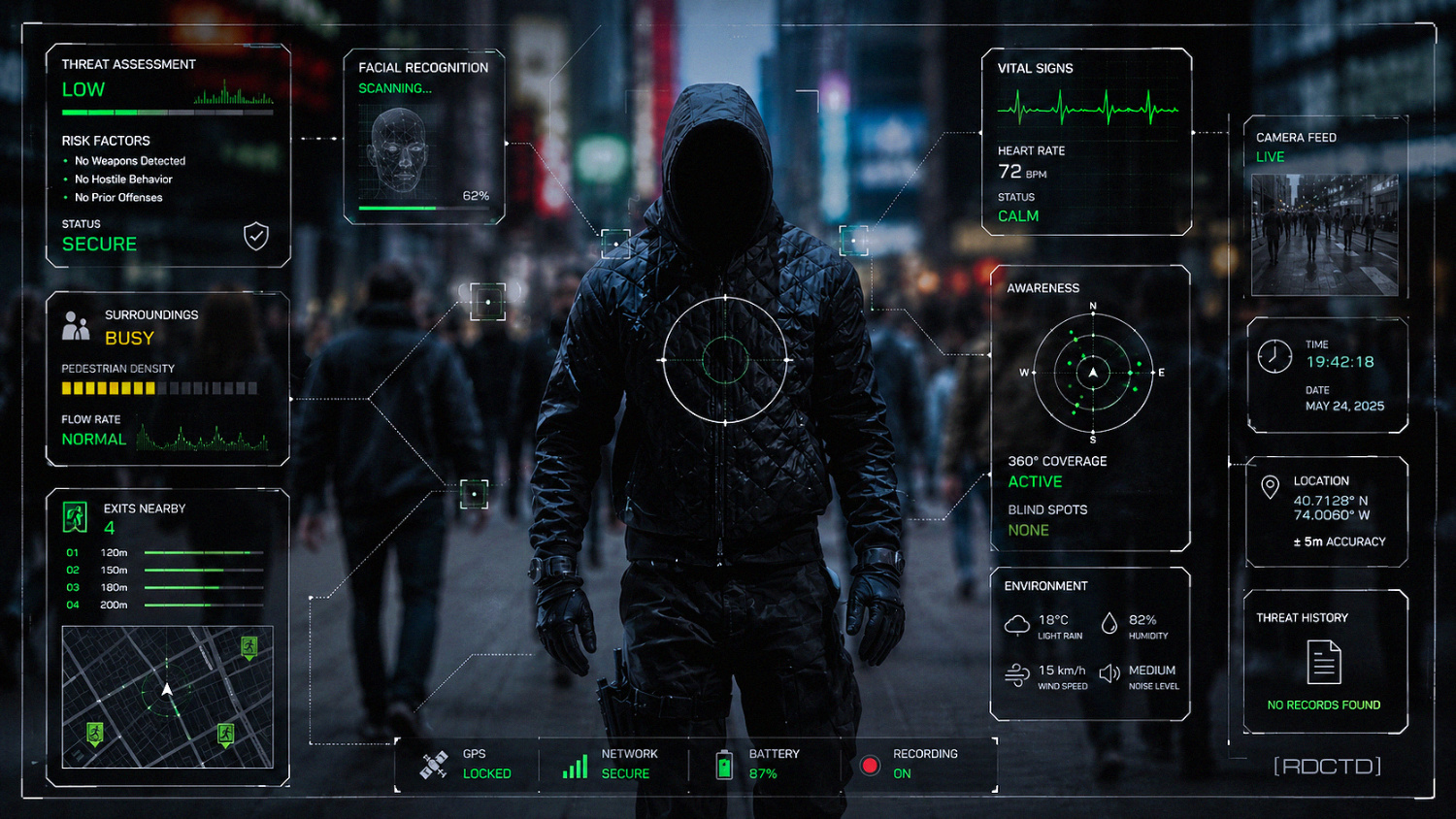 The tradecraft of being your own bodyguard is running security and personal protection on yourself – no detail, team, warning, and no one else watching your blind side – while operating as if you do on a smaller scale.
Close protection is the controlled management of distance, access, and movement around the principal – the preservation of options while denying it to potential hostiles.
A (close) protective detail exists so one person can move through his day while others watch for them. Working alone, you run both jobs. You’re the principal and the detail at once – most people train neither half. They rely on luck, hope, and on the fact that nothing’s happened yet.
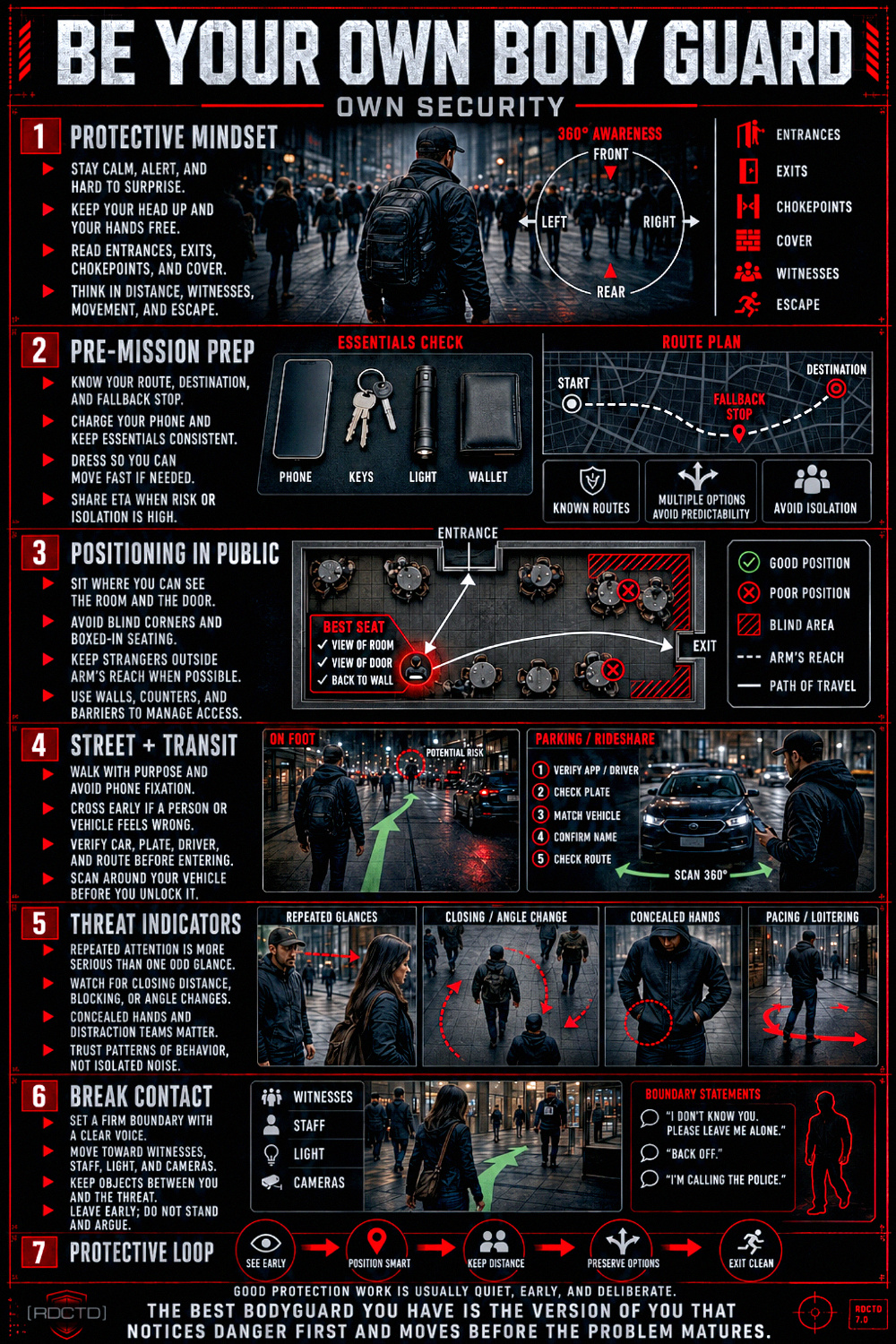
This system is built for a person without backup, it’s a working method. Each block earns its place, and you can run the whole sequence in a crowd without anyone noticing you’re doing it. That’s the point of good personal security – it stays invisible while it works.
Read it as a loop you never finish. You’ll see the same five moves repeat: see early, position smart, keep distance, preserve options, exit clean – that repetition is what makes it reliable under stress and surprise.
The loop optimally works when each move becomes automatic enough to survive pressure. Miss one step and the next becomes harder, slower, and more exposed. Run it often enough that your body starts accurately acting before your mind has to debate the threat.
Keep your dominant hand unoccupied during vulnerable transitions so fine-motor access remains available without switching loads.
[ PROTECTIVE MINDSET ]
Protection starts in the head, before any hands-on skill. You stay calm, alert, and hard to catch off guard. You keep your head up and your hands free, and you read the space – entrances, exits, chokepoints, cover – as you walk into it. It’s habitual situational awareness.
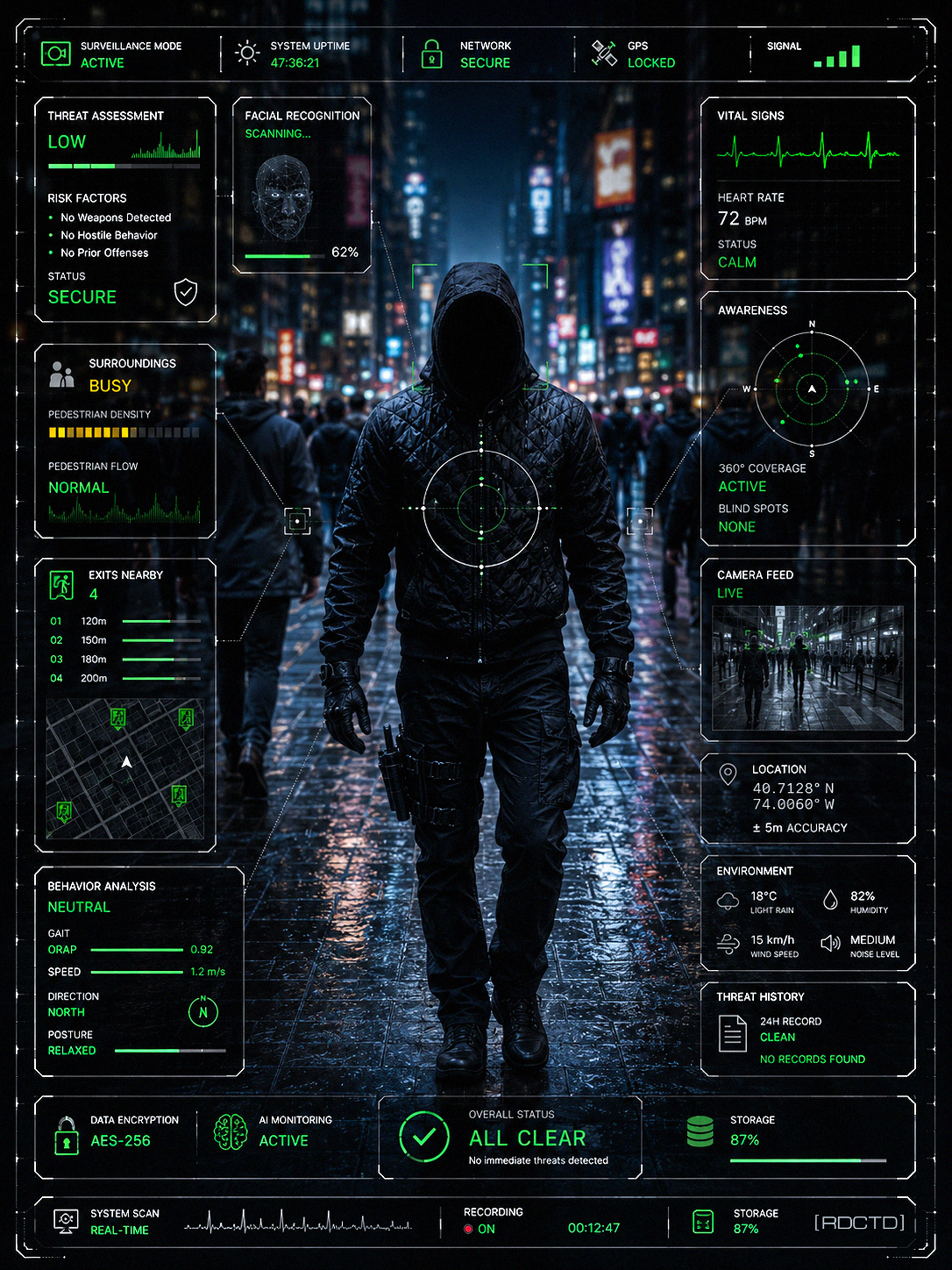
Run 360° coverage. Front, rear, left, and right. Most people track only what’s ahead of them, which is the one place an aggressor won’t set up. The flank and the rear carry the real risk because that’s where your attention runs thin. A distraction in front is often there to pull your eyes off the side that matters.
Score every space on four variables: distance, witnesses, movement, and escape. Distance buys reaction time. People nearby change an aggressor’s math, so a crowd can work for you. Movement tells you who’s converging on your position, and escape is the line you’ll take the moment the read goes bad.
The aim’s plain. You want to be a hard target who reads trouble early and leaves before it sets. A soft target who notices late has already lost the only advantage he had. The advantage is time, but once it disappears, every remaining option gets worse.
Run a full baseline read within your first few seconds in any room, then update it every time someone new enters. Score every space the moment you enter it, before you settle in and your guard drops.
Monitor footwear noise behind you, repeated cadence changes that mirror your own can reveal proximity without requiring a visual check.
[ PRE-MOVEMENT PREP ]
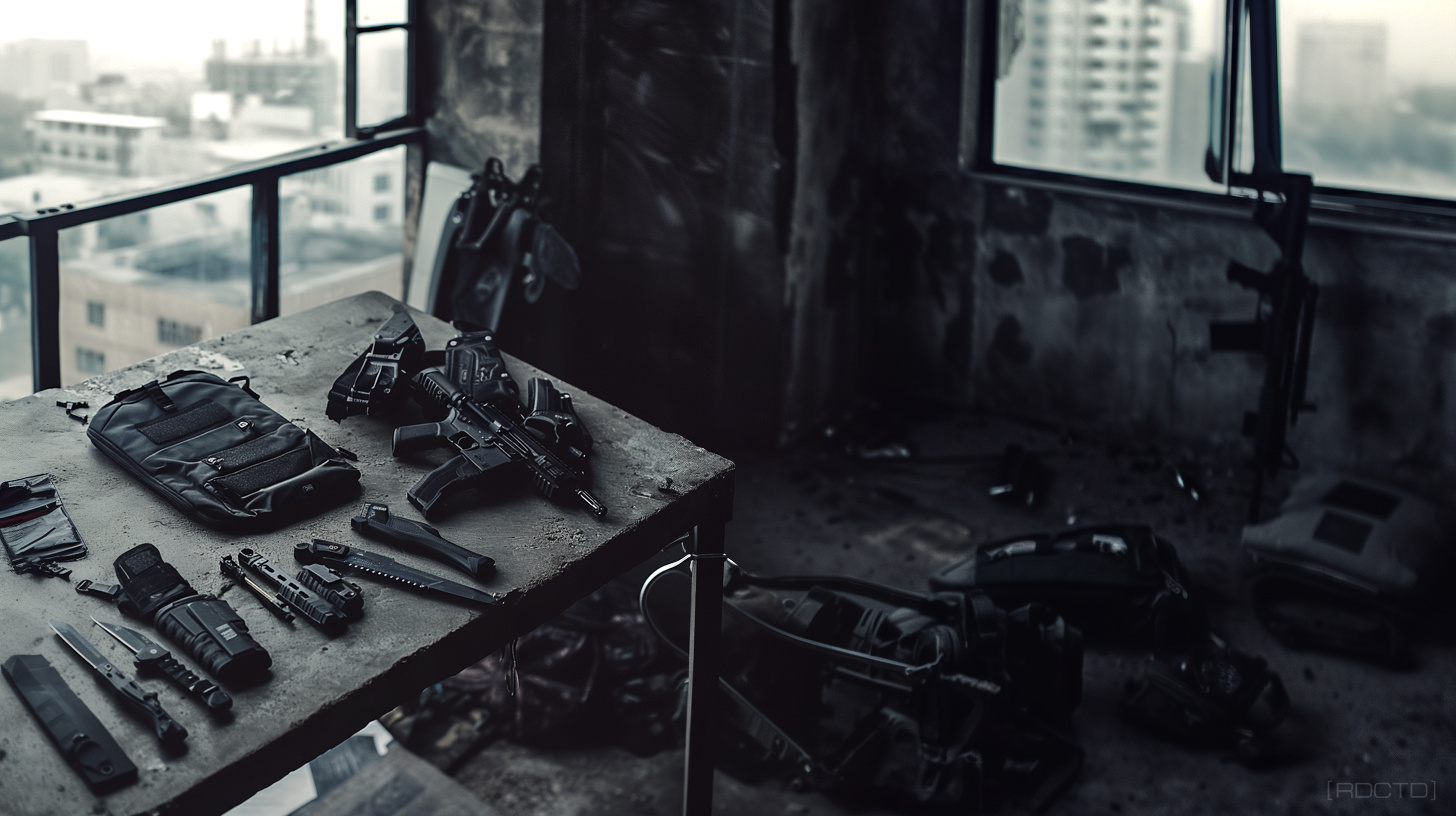
Protection is decided before you leave. You know your routes, destination, and fallback stop – the safe place you can divert to if the primary goes wrong.
You charge your devices and keep your essentials consistent: phone, keys, light, weapons, wallet, same pockets every day so your hand finds them without your eyes. When risk or isolation runs high, you share your ETA with someone who’ll notice if you’re late.
Dress so you can be agile if you have to. Footwear you can run in, clothing that doesn’t trap your arms, nothing that snags or pins you. This is the unglamorous half of readiness – the half that decides whether the rest of your training gets to fire at all.
Plan the route itself with intent. Use known ground, keep multiple options so your pattern stays unpredictable, and steer clear of dead zones – empty stairwells, isolated lots, blind transit links. Predictability’s the gift you hand a hostile, and a surveillance detection route turns a routine commute into a test he has to pass.
Predictable timing’s its own exposure. Same departure, path, coffee at the usual minute – that’s a pattern anyone watching can set their watch by. Vary it enough that you’re never where someone expects you to be.
Pre-stage your essentials in fixed pockets so a hand check tells you what’s missing in one second, in the dark. Predictable timing’s a vulnerability, vary your departures before someone else maps them for you.
Position bags and carried objects on the side facing the most likely contact lane, where they can act as a temporary buffer.
[ POSITIONING IN PUBLIC ]
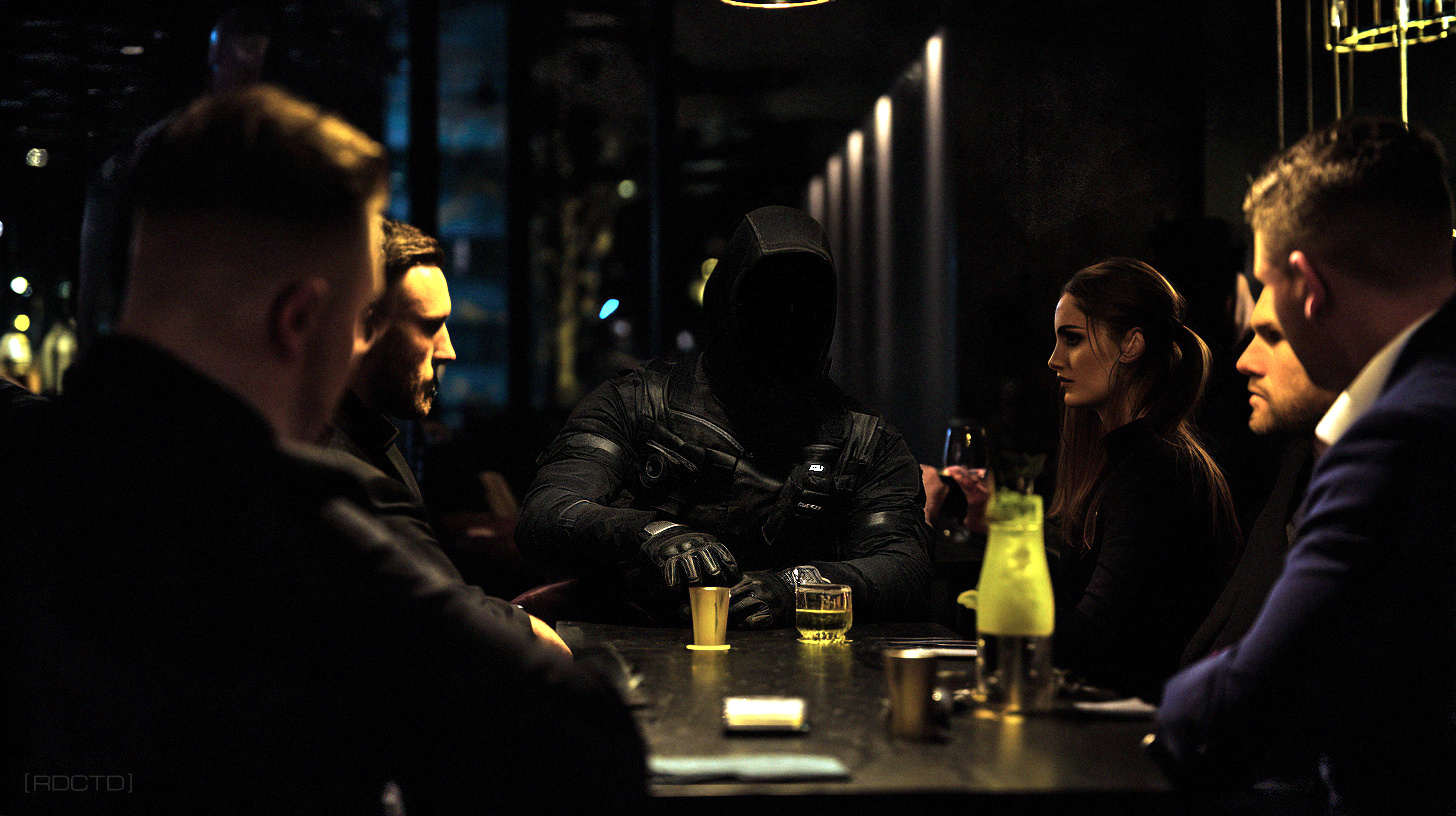
Where you sit decides how much of the room you control. You take the seat that gives you the room and the door at the same time – back to a wall, full view of the entrance, line to an exit.
You avoid blind corners and boxed-in seating where someone can pin you against a wall with no angle out. Reading the room in the first seconds tells you which chair that is before the place fills.
Manage access with the furniture. Keep strangers outside arm’s reach when you can, and put walls, counters, and barriers between you and the open floor. A table you can’t be reached across is a reaction gap, of which is the difference between seeing a grab coming and feeling it land.
The math’s about time. Distance is time, and time is the room you need to recognize a threat, decide, and act – that’s the OODA loop running in real space. Every foot you keep between yourself and an unknown is a foot of decision room you don’t have to manufacture under stress.
A good position also gives you a read on who’s circulating. From the wall you see who lingers, repeats a pass, keeps drifting toward your lane. That read’s nearly impossible from the middle of a room with your back exposed.
Take your seat early. The protective position’s the one you claim before the room’s full, not the one you negotiate after. The seat that protects you is the one you take before the room fills and your options narrow.
Before entering an elevator, read hand position, body orientation, floor selection, and whether the occupant creates space naturally.
[ STREET AND TRANSIT ]
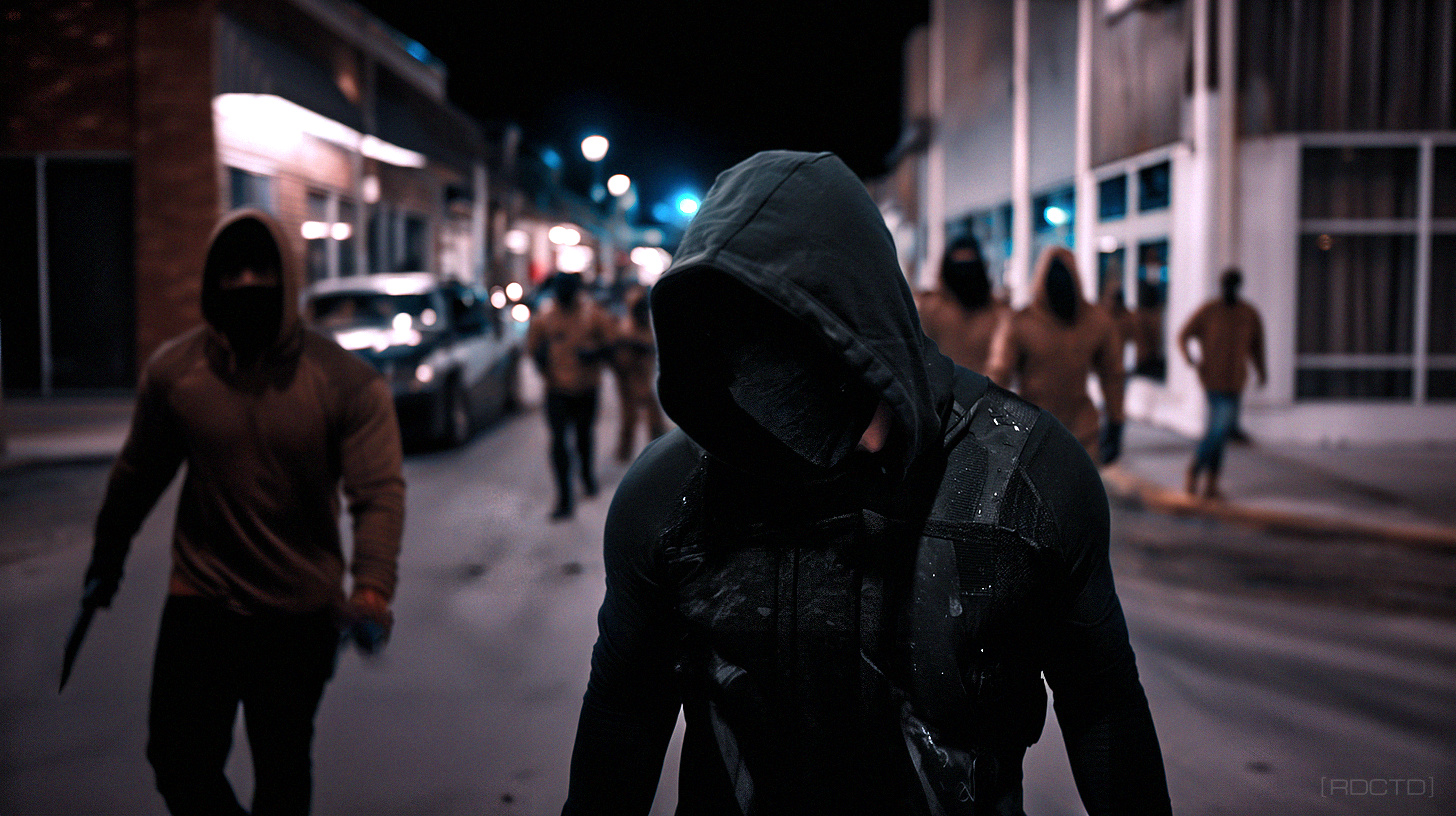
On foot, you walk with purpose and you keep your face out of your phone. A head buried in a screen broadcasts that you won’t see anything coming, that’s the exact signal / opening a predator or assailant exploits.
If a person, group or a vehicle reads wrong / off, you cross early or otherwise strategically – change the street while there’s still distance to change it in, and watch whether the problem follows your turn.
Rideshare and parking are where people drop their guard, so run them as a validation drill. Verify the app and the driver, check the plate against the screen, match the vehicle, confirm your name from his mouth – make him say it, don’t volunteer it – then confirm the route before the door closes. Treat a vehicle as a sealed box you don’t enter until every line checks.
Subtly and gradually scan 360° around your own car as you approach, before you unlock it. People reset between the door and the seat, that gap’s where ambushes form – at the handle, with your hands occupied and your attention on the lock. Clear the back seat, the blind side, and the space under the adjacent vehicle before your key ever moves.
Movement’s also your read tool. A short stop at a window, a turn you didn’t need, a doubled block – these are low-cost ways to surface a follower without telling them you’re looking. The street gives you constant, low-profile chances to test who’s still with you, drops away, and keeps matching your movement.
The handle’s the moment you’re least able to defend, so finish the read first, unlock only when the approach lane is clear.
Read hands before faces during close approaches, because intent can be concealed longer than mechanics.
[ THREAT INDICATORS ]
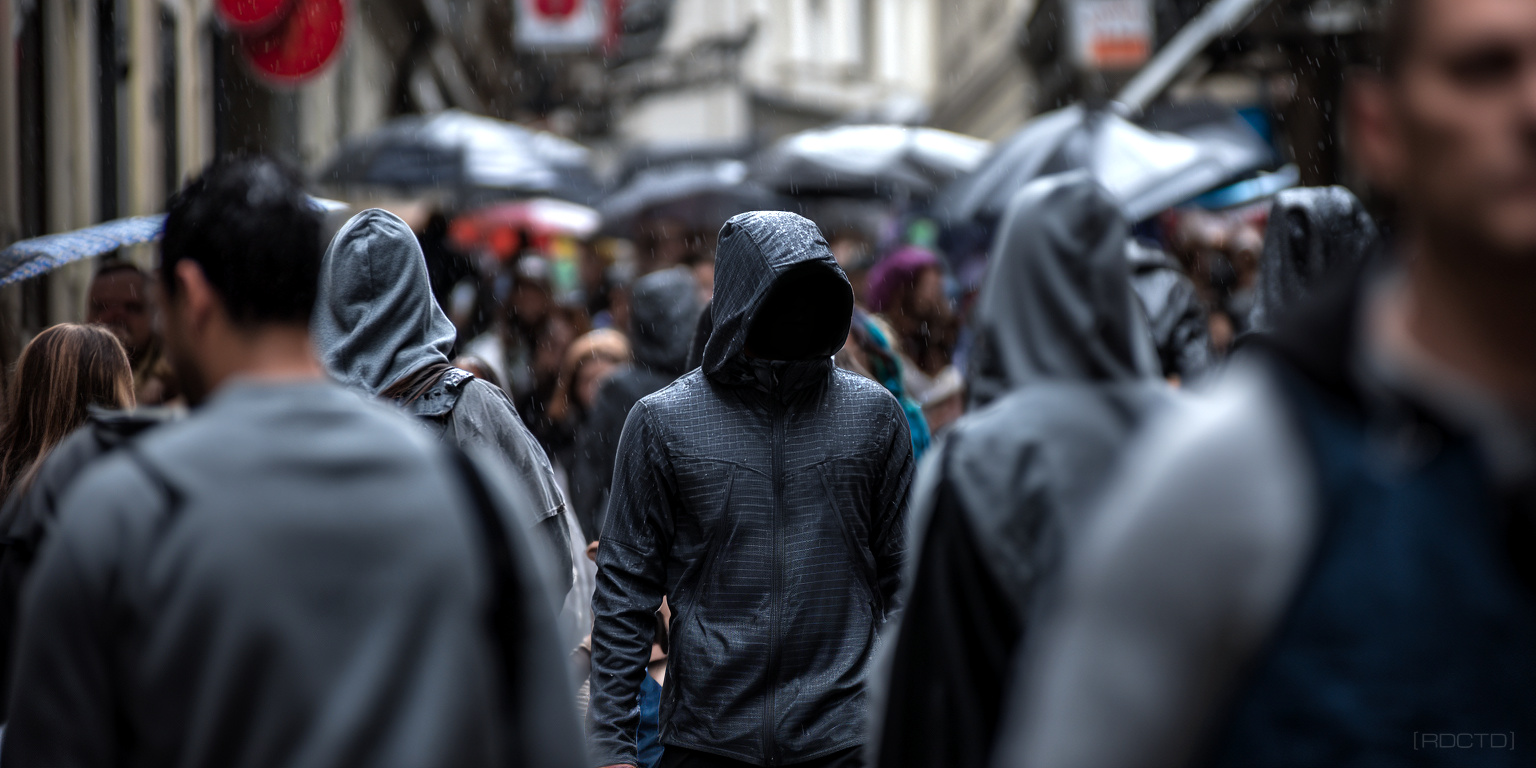
You read behavior as the primary and secondary, appearance is tertiary. One odd glance is noise. Repeated attention’s a signal, the difference between them’s the whole skill.
When the same face keeps finding you across a space, the odds it’s an accident drop with every repeat – your job’s to notice the pattern while it’s still cheap to act on it. Reposition, test the contact, and leave before observation turns into approach.
Watch for the mechanics of an approach: closing distance, a body angling to block your path, a change in pace that matches yours. Concealed hands are a hard flag – a hand that won’t come into view’s a hand you have to assume is holding something. Pacing and loitering near your line of travel mean someone’s set up where you’re going to be.
Distraction teams are the part most people miss. One contact draws your eyes while a second works the angle you’ve stopped watching, which is straight out of the deception playbook. Two strangers operating different vectors around you is a team until proven otherwise – treat it that way without waiting for proof.
Trust the pattern over the single data point. A baseline read tells you what normal looks like in this space. A threat shows up as a break in that baseline – the person moving against the flow, repeating a pass, tracking your turns. Trained instinct is just pattern recognition you’ve drilled until it’s faster than thought.
Two contacts working different angles is a team. Name it early and your response stays ahead of theirs. Move on the assumption without waiting for confirmation.
Observe whether nearby people react to the same anomaly you noticed, independent reactions help separate real signals from personal bias.
[ BREAKING CONTACT ]
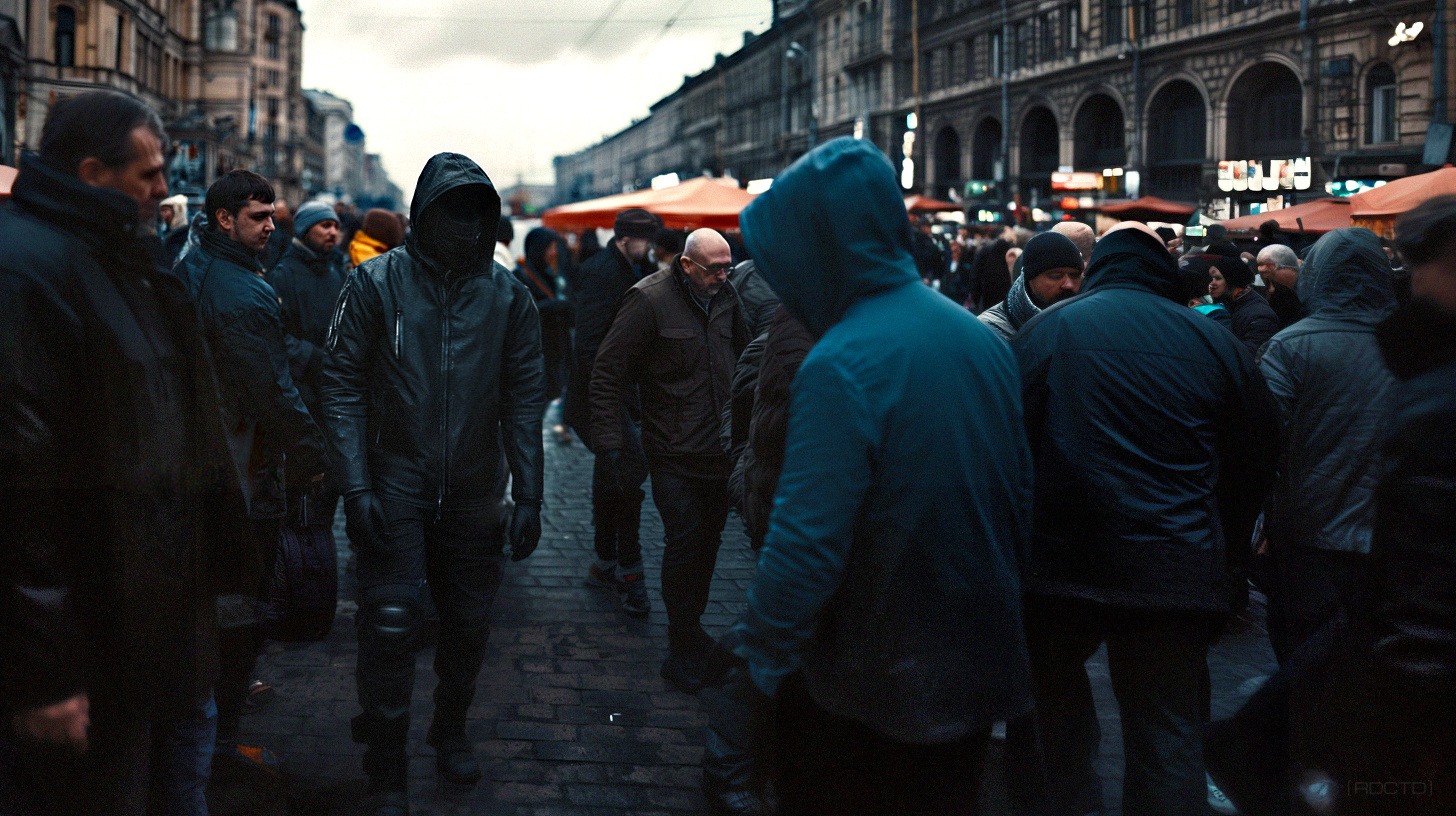
When a person or vehicle starts closing on you, break the line before the gap disappears. Change direction, cross toward controlled space, and force the contact to reveal intent by matching your movement.
Don’t stop to study the threat further. Movement gives you information while preserving distance, and distance keeps your options open.
Move toward light, cameras, staff, security, and multiple exits. Use cars, counters, planters, doors, and other fixed objects to interrupt a direct line of approach. Every obstacle forces the threat to slow, reroute, or expose themselves.
Avoid straight-line withdrawal when the terrain gives you better options. Cut angles, change levels, pass through controlled entrances, and use choke points that favor your escape while restricting pursuit.
Keep moving until the contact is physically separated, visually lost, or blocked by a controlled barrier. Don’t pause at the first sign of relief. A clean break means the hostile can no longer track, intercept, or predict your next position.
Once clear, change route again, enter a secure location, and reassess before continuing. The objective is not to outrun the threat forever. It’s to remove their access, destroy timing, and leave them without a usable line to you.
Break contact before proximity becomes control. Change the angle, use the environment, and keep moving until the hostile loses access to your position.
After an anomaly, check what changed around it – secondary movement often reveals more than the initial event.
[ BODY GUARD LOOP ]
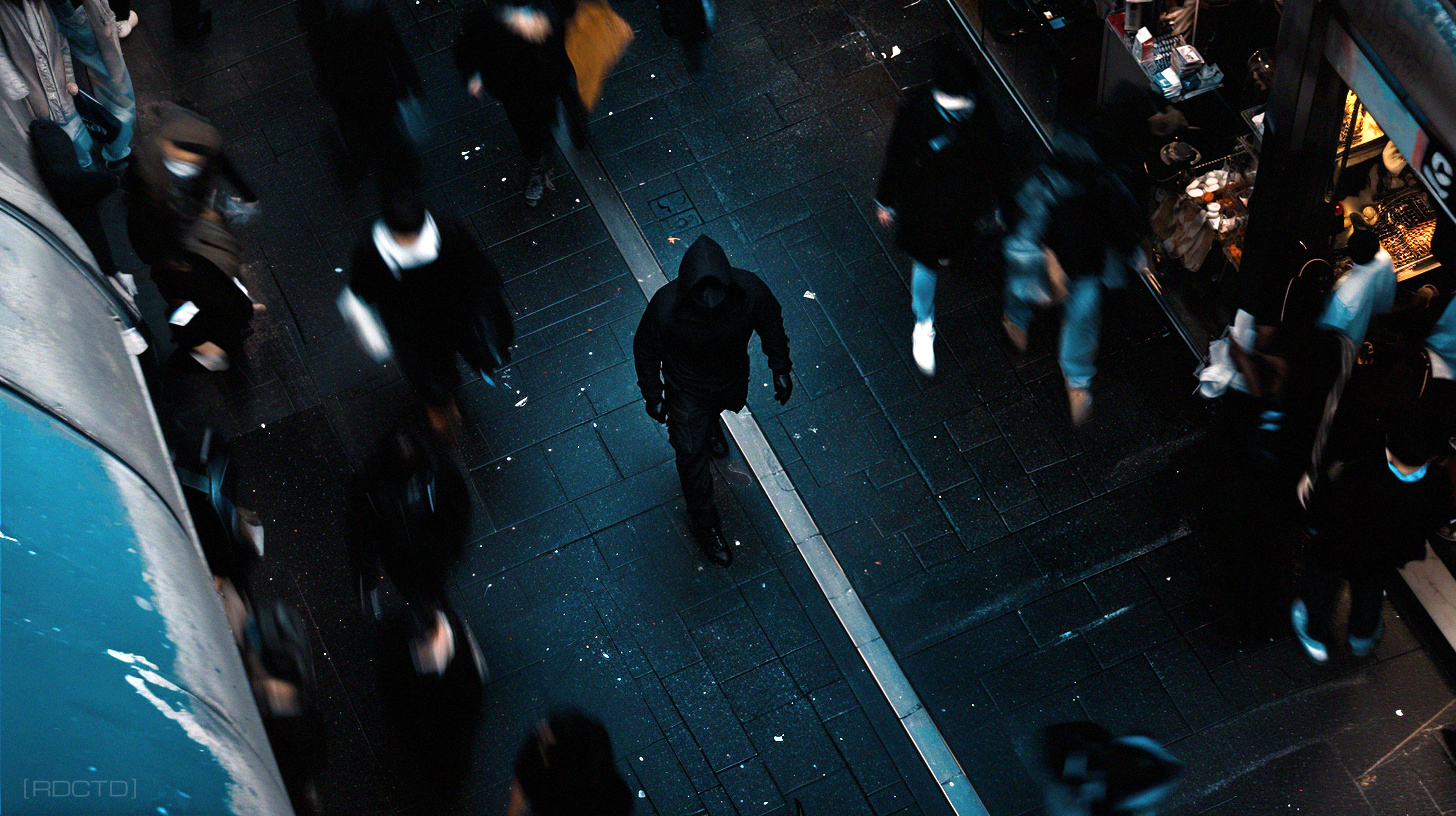
Everything above runs as one (OODA) loop: see early, position smart, keep distance, preserve options, exit clean. It’s a cycle you run continuously, not to be utilized like a checklist you finish and put down.
The moment you exit one space, you start the read on the next and so on. The practitioner who handles it as ongoing stays ahead of problems that haven’t formed yet. Each transition becomes a fresh assessment point.
Seeing early is the multiplier. Every other step gets easier when you buy time at the front, every step degrades when you’re late to the first one. That’s why the awareness work sits at the head of the loop – it “funds” the rest.
Preserving options is the step people skip under pressure. Stress narrows you to one plan of which is a trap when it fails. You keep a second exit, a second route, a second story in reserve so you’re never out of moves, which is the same logic that drives a faster decision cycle than the other side’s.
Pre-Plan Decision Branches

Route Concealment
Layered Resource Staging
Hard Transition Trigger Setting
Freedom of Movement

Exiting clean closes the gap before the next one opens. You leave without a trail, scene, and having given anyone a reason to remember you. Quiet’s a measure of success – good protective work that nobody clocked.
A clean departure is only the first move in securing the next position. Every new environment demands a fresh baseline.
Watch whether a stranger’s feet align with his stated direction – the lower body often reveals intent before the face does.
[ BOUNDARY FAILURE ]
Sometimes the boundary doesn’t hold and the moment turns kinetic. The objective stays exactly what it was – create distance and reach people, light, or hard cover. You fight to leave, so you strike to break the grip or the line of sight and then you move. Everything in your training exists for these few seconds. Get clear, get to witnesses, and report it.
The version of you that notices first and moves before the problem matures is the only bodyguard who’s there every time. Build him.
// The primary objective is not to win an encounter, but to prevent the encounter from developing in the first place.
+ Covert Operative Kit [ ] gear shop »»
[TAG : Being Your Own Bodyguard]